


How Long Do Shockwave Treatments Last?
Shockwave therapy has become an increasingly popular non-invasive treatment across the UK for musculoskeletal pain, erectile dysfunction (ED), sports injuries, plantar fasciitis, tendon problems, and rehabilitation support. One of the most common questions patients ask before booking is: How long do shockwave treatments last?
The answer depends on several factors, including the condition being treated, the severity of symptoms, lifestyle choices, the number of sessions completed, and post-treatment care. For many patients, shockwave therapy can provide relief lasting from several months to multiple years, especially when combined with physiotherapy, lifestyle changes, or ongoing medical supervision.
Whether you are considering treatment for chronic pain, soft tissue injuries, or vascular concerns, understanding treatment longevity can help you make informed healthcare decisions.
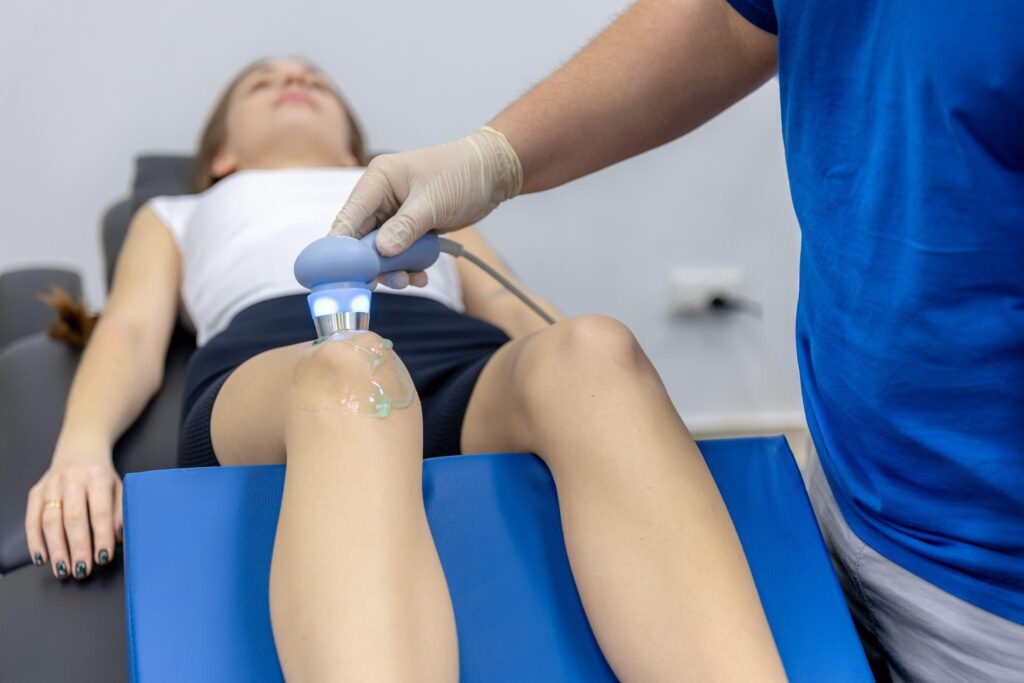
What Is Shockwave Therapy?
Shockwave therapy, often referred to as Extracorporeal Shockwave Therapy (ESWT), uses acoustic sound waves to stimulate healing, increase blood circulation, break down scar tissue, and encourage tissue regeneration.
Common Types of Shockwave Therapy:
1. Focused Shockwave Therapy
- Penetrates deeper tissues
- Used for chronic pain and orthopaedic issues
2. Radial Shockwave Therapy
- More superficial
- Common for muscle tightness and sports recovery
Conditions Commonly Treated with Shockwave Therapy
Shockwave therapy is widely used in the UK for:
- Plantar fasciitis
- Achilles tendinopathy
- Tennis elbow
- Golfer’s elbow
- Shoulder calcification
- Patellar tendinitis
- Erectile dysfunction
- Cellulite reduction
- Chronic pelvic pain
How Long Do Shockwave Treatment Results Last?
Average Duration by Condition
For Musculoskeletal Pain:
Most patients experience symptom improvement for 6 months to 2 years, with many reporting permanent improvements when underlying biomechanics are corrected.
For Plantar Fasciitis:
Results may last 1–2 years or longer, especially when supported by orthotics and stretching.
For Erectile Dysfunction:
Benefits often last 1–3 years, though maintenance sessions may be recommended.
For Sports Injuries:
Results vary but generally last 6–12 months, depending on rehabilitation.
What Determines How Long Shockwave Therapy Lasts?
1. Severity of Condition
Chronic or severe degeneration may require more sessions.
2. Number of Sessions
A standard course is usually 3–6 sessions, spaced weekly.
3. Lifestyle Factors
Poor posture, obesity, smoking, and inactivity may reduce longevity.
4. Rehabilitation
Combining therapy with physiotherapy often improves long-term outcomes.
How Quickly Does Shockwave Therapy Start Working?
Some patients notice improvements after 1–2 sessions, but most see significant results after 6–12 weeks, as the body gradually repairs tissue.
Immediate Effects:
- Mild soreness
- Improved blood flow
- Reduced tension
Long-Term Effects:
- Tissue healing
- Pain reduction
- Improved mobility
Is Shockwave Therapy Permanent?
Shockwave therapy is not always a permanent cure, but it can produce long-lasting outcomes. If the root cause of the problem is resolved, such as improved gait or muscle balance, symptoms may not return.
However, recurring strain or untreated biomechanical issues can lead to relapse.
How Many Sessions Are Usually Needed?
Typical Protocol:
- 3 to 6 sessions
- Weekly intervals
- 15–30 minutes per session
For ED:
- 6–12 sessions may be recommended
What Happens If You Stop Treatment Early?
Stopping before completing the recommended course may reduce:
- Healing potential
- Pain relief duration
- Tissue repair benefits
Consistency is essential for optimal outcomes.
Shockwave Therapy vs Other Treatments
| Treatment | Duration of Relief | Invasive? | Recovery Time |
| Shockwave Therapy | Months to Years | No | Minimal |
| Steroid Injection | Weeks to Months | Minimally invasive | Short |
| Surgery | Long-term | Yes | Extended |
| Physiotherapy | Variable | No | Ongoing |
Are There Side Effects?
Shockwave therapy is generally safe, but temporary effects may include:
- Redness
- Swelling
- Mild bruising
- Tenderness
These usually resolve within a few days.
Who Should Avoid Shockwave Therapy?
It may not be suitable for:
- Pregnant women
- Individuals with blood clotting disorders
- Patients with pacemakers (depending on area)
- Active infections
- Certain nerve disorders
Always consult a qualified healthcare professional.
Can Shockwave Therapy Be Combined with Other Treatments?
Yes, and combination therapy often enhances duration.
Common Complementary Treatments:
- Physiotherapy
- Massage therapy
- Orthotics
- Lifestyle coaching
- Injection therapy
For patients requiring injection support at home after orthopaedic treatment, private mobile healthcare can be particularly valuable.
Private Nurse for Injection & Home Visit Near London, UK
For patients recovering from musculoskeletal procedures, managing pain relief injections, or requiring ongoing home-based nursing support, booking a private nurse near you in London, UK can offer convenience, privacy, and continuity of care.
Benefits of Mobile Nursing Care:
- At-home injections
- Medication administration
- Post-treatment monitoring
- Elderly support
- Professional wound care
- Flexible scheduling
Patients who prefer personalised healthcare often choose private nursing to reduce clinic travel and receive expert support from home.
For trusted private healthcare support and mobile nursing services, visit https://www.proback.com/
Frequently Asked Questions
Does shockwave therapy wear off?
Yes, results can diminish over time if underlying causes are not addressed, though many experience long-lasting relief.
Can I repeat shockwave therapy?
Yes, maintenance or repeat sessions are possible if symptoms recur.
Is shockwave therapy painful?
Most patients report mild discomfort, but it is generally well tolerated.
Is it worth it?
For many chronic conditions, shockwave therapy can be highly effective and may help avoid surgery.
Expert Tips to Make Shockwave Results Last Longer
Do:
- Complete full treatment plans
- Follow stretching exercises
- Maintain healthy weight
- Wear proper footwear
- Attend follow-up reviews
Avoid:
- Overloading injured tissues
- Ignoring pain recurrence
- Poor biomechanics
- Smoking
Shockwave therapy can offer substantial, medium-to-long-term relief depending on the condition and patient compliance. For many UK patients, benefits last between 6 months and several years, with some achieving near-permanent improvements.
The key to maximising treatment longevity lies in:
- Early diagnosis
- Correct treatment protocols
- Full session completion
- Professional aftercare
- Ongoing support
If you’re managing recovery at home, especially in London, combining treatment with expert private nursing care can improve both convenience and outcomes.
By understanding the science behind shockwave therapy and investing in comprehensive care, patients can achieve stronger, longer-lasting health results.
The Science Behind Shockwave Therapy Longevity: Why Some Results Last Longer Than Others
Understanding how long shockwave treatments last requires more than a simple timeframe. To build genuine topical authority and answer what UK patients are truly asking, it’s essential to explore why treatment outcomes vary from person to person.
Shockwave therapy does not simply “mask pain” in the way temporary painkillers might. Instead, it works by stimulating biological repair processes, including:
- Neovascularisation (new blood vessel formation)
- Collagen production
- Breakdown of calcified tissue
- Cellular regeneration
- Reduced inflammation
- Increased metabolic activity in damaged tissue
This regenerative approach is one reason many patients experience longer-lasting benefits compared with short-term interventions like steroid injections.
Biological Healing Timeline After Shockwave Therapy
Week 1–2:
- Increased blood flow
- Mild inflammation response (a healing trigger)
- Early tissue stimulation
Week 3–6:
- Collagen synthesis improves
- Tissue remodelling begins
- Pain often decreases noticeably
Week 6–12:
- Structural healing strengthens
- Mobility improves
- Longer-term symptom reduction becomes more evident
3–12 Months:
- Full healing potential often realised
- Many patients remain symptom-free if maintenance practices continue
This delayed but regenerative process explains why some people initially feel only modest relief, then experience significant improvements later.
How Long Does Shockwave Therapy Last for Specific Conditions?
1. Plantar Fasciitis
Plantar fasciitis is among the most researched uses of shockwave therapy.
Expected duration:
12 months to 24 months+
Success factors:
- Arch support
- Stretching
- Weight management
- Footwear correction
UK insight:
For office workers, runners, and hospitality professionals who spend long hours standing, improper footwear is a major cause of symptom return.
2. Tennis Elbow (Lateral Epicondylitis)
Average relief:
6–24 months
Repeated arm strain can shorten results unless repetitive motion is modified.
3. Achilles Tendinopathy
Average relief:
1–2 years
Patients who combine calf strengthening with therapy often report the longest outcomes.
4. Erectile Dysfunction (ED)
Low-intensity shockwave therapy is increasingly sought in private men’s health clinics.
Average relief:
1–3 years
Key influences:
- Cardiovascular health
- Diabetes management
- Smoking cessation
- Hormonal balance
For vascular ED, healthier blood vessels often equal longer-lasting outcomes.
Can Shockwave Therapy Replace Surgery?
For many chronic tendon and soft tissue issues, shockwave therapy may delay or even eliminate the need for surgery.
Benefits over surgery:
- No anaesthesia
- Minimal downtime
- Lower complication risk
- Reduced scarring
- Faster return to work
However, severe structural damage may still require surgical intervention.
Is Maintenance Shockwave Therapy Necessary?
Some UK clinicians recommend maintenance sessions every 6–12 months, especially for:
- Professional athletes
- Chronic tendon disorders
- Recurrent plantar fasciitis
- ED patients with ongoing vascular issues
Maintenance can help preserve results, much like physiotherapy check-ins.
Cost vs Longevity: Is Shockwave Therapy Worth the Investment?
Private shockwave therapy in the UK can range from approximately £60–£150 per session depending on clinic, region, and treatment type.
Typical package:
- 3 sessions: £180–£450
- 6 sessions: £360–£900
While this may seem costly upfront, many patients compare it favourably against:
- Surgery costs
- Repeat injections
- Lost productivity
- Long-term medication
When symptom relief lasts years, the value proposition often improves significantly.
Recovery After Shockwave Therapy: What You Should and Shouldn’t Do
Best Practices:
Rest (but not total immobilisation)
Gentle movement supports healing.
Stay hydrated
Hydration supports cellular repair.
Follow prescribed exercises
Strengthening tissues helps preserve gains.
Monitor inflammation
Some soreness is normal.
Avoid:
- High-impact activity immediately after treatment
- Anti-inflammatory medication unless advised
- Ignoring biomechanical issues
- Returning too quickly to repetitive strain
The Role of Home Healthcare After Shockwave or Orthopaedic Treatment
Patients recovering from chronic pain treatment, sports rehabilitation, or musculoskeletal procedures often need additional support beyond the clinic.
This is where private nurse for injection & home visit near London, UK services can be especially beneficial.
Why patients choose mobile nursing:
Medication and injection support
For prescribed anti-inflammatory or pain management injections.
Post-treatment observation
Useful for elderly or mobility-limited patients.
Personalised rehabilitation guidance
Supports adherence.
Reduced travel burden
Especially valuable after orthopaedic procedures.
Convenience
Flexible appointments around work and family life.
For individuals seeking professional mobile nursing care, post-treatment support, or home healthcare in London, services through https://www.proback.com/ may help bridge the gap between clinic treatment and home recovery.
Common Myths About Shockwave Therapy
Myth 1: “Results are instant.”
Reality:
Healing often builds progressively over weeks.
Myth 2: “One session is enough.”
Reality:
Most evidence-based protocols require multiple treatments.
Myth 3: “Results are always permanent.”
Reality:
Lifestyle and biomechanics heavily influence duration.
Myth 4: “Shockwave therapy is only for athletes.”
Reality:
Office workers, older adults, and general pain sufferers commonly benefit too.
Red Flags: When Shockwave Therapy May Not Last as Long
Some factors can reduce effectiveness:
- Obesity
- Poor circulation
- Smoking
- Diabetes
- Repetitive overuse
- Untreated posture issues
- Skipping rehab
Addressing these root causes is critical for long-term success.
Expert Clinical Perspective: Who Gets the Best Results?
Patients who often experience the longest-lasting outcomes are those who:
Commit to full treatment plans
Consistency matters.
Follow rehabilitation advice
Exercises reinforce tissue health.
Improve lifestyle habits
Weight, mobility, and circulation matter.
Seek multidisciplinary support
Combining clinicians, physiotherapists, and home nurses often improves outcomes.
Frequently Asked “People Also Ask” Questions
How many shockwave sessions do I need?
Most people need 3–6 sessions, though some conditions require more.
Does shockwave therapy work for chronic pain?
Yes, particularly tendon-related pain and certain soft tissue conditions.
Can shockwave therapy fail?
Yes, especially if the diagnosis is incorrect or root causes remain untreated.
Is shockwave better than steroid injections?
For long-term tissue healing, often yes—but suitability varies.
Topical Authority Summary: Key Takeaways
How long do shockwave treatments last?
Short answer:
6 months to 3 years, depending on the condition.
Best outcomes:
- Plantar fasciitis
- Tendinopathy
- Mild-to-moderate ED
- Chronic soft tissue pain
Longest-lasting results require:
- Correct diagnosis
- Full treatment course
- Rehabilitation
- Lifestyle changes
- Professional follow-up
Conclusion: Maximising the Lifespan of Shockwave Therapy
Shockwave therapy can be a highly effective, evidence-supported solution for pain reduction and tissue healing—but its longevity is rarely accidental.
The people who see the best and longest-lasting outcomes are typically those who approach treatment holistically: combining medical expertise, movement correction, ongoing support, and when needed, at-home care.
For UK patients—particularly in London—access to private home nursing, injection appointments, and mobile clinical support can significantly improve recovery quality and convenience.
In the end, shockwave therapy is not just about symptom relief—it’s about restoring function, improving quality of life, and creating sustainable health outcomes that truly last.