


Can Shockwave Therapy Be Used on the Spine?
Can Shockwave Therapy Be Used on the Spine?
Shockwave therapy has become one of the most talked-about non-invasive treatments for musculoskeletal pain in the UK. Many people searching for alternatives to surgery, steroid injections, or long-term pain medication are now asking an important question: can shockwave therapy be used on the spine?
The short answer is yes — but only in certain situations, and it must always be performed by qualified healthcare professionals with experience in spinal conditions. Shockwave therapy is commonly used for soft tissue injuries, chronic pain conditions, tendon problems, and muscle dysfunction surrounding the spine rather than directly treating the spinal cord itself.
In this comprehensive guide, we explain how shockwave therapy works, whether it is safe for spinal conditions, who may benefit from treatment, possible risks, expected results, and when to seek professional medical support in the UK.
For patients recovering at home or requiring professional post-treatment care, services like Proback also provide access to private nursing support, injection assistance, and home healthcare visits across London and surrounding areas.
What Is Shockwave Therapy?
Shockwave therapy, also called Extracorporeal Shockwave Therapy (ESWT), is a non-surgical treatment that uses acoustic sound waves to stimulate healing in damaged tissues.
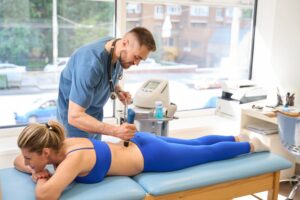
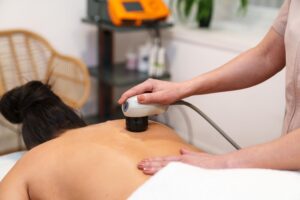
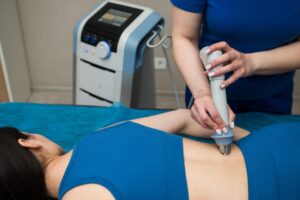
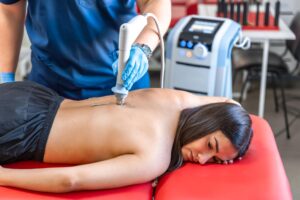
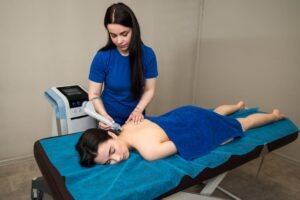

It was originally developed to break down kidney stones but is now widely used in physiotherapy, sports medicine, orthopaedics, and pain management.
Shockwave therapy is often recommended for:
- Chronic muscle pain
- Tendon injuries
- Plantar fasciitis
- Tennis elbow
- Shoulder pain
- Calcific tendonitis
- Lower back muscular dysfunction
- Trigger points around the spine
The treatment works by sending controlled high-energy sound waves into affected tissues. These waves may help:
- Increase blood circulation
- Stimulate cell regeneration
- Reduce chronic inflammation
- Break down scar tissue
- Improve mobility
- Encourage natural healing
Because it is non-invasive, many patients prefer it over surgery or long-term medication use.
Can Shockwave Therapy Be Used on the Spine?
Yes, shockwave therapy can sometimes be used around the spine, particularly for musculoskeletal conditions affecting muscles, ligaments, fascia, and soft tissues near the spinal column.
However, healthcare professionals do not usually apply shockwave therapy directly over the spinal cord, vertebrae, or certain sensitive neurological structures.
Instead, treatment is commonly focused on surrounding areas such as:
- Lower back muscles
- Thoracic muscle tightness
- Neck tension
- Sacroiliac joint dysfunction
- Trigger points
- Chronic muscular inflammation
- Myofascial pain syndromes
Patients with chronic back pain often experience muscle tightness and inflammation surrounding the spine. Shockwave therapy may help relieve these symptoms and improve mobility.
Conditions Where Shockwave Therapy May Help Spinal Pain
1. Chronic Lower Back Pain
Lower back pain is one of the most common reasons people seek physiotherapy treatment in the UK.
Shockwave therapy may help when pain is caused by:
- Muscle tension
- Trigger points
- Soft tissue strain
- Fascia restriction
- Chronic inflammation
It is particularly useful when standard physiotherapy exercises alone have not provided enough relief.
2. Myofascial Pain Syndrome
Myofascial pain syndrome occurs when tight trigger points develop in muscles surrounding the spine.
Symptoms may include:
- Deep aching pain
- Muscle knots
- Stiffness
- Pain radiating into hips or shoulders
Shockwave therapy can help release trigger points and improve tissue flexibility.
3. Neck and Upper Back Tension
Poor posture, desk work, and stress frequently contribute to neck and thoracic pain.
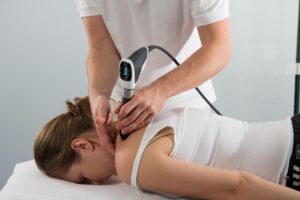




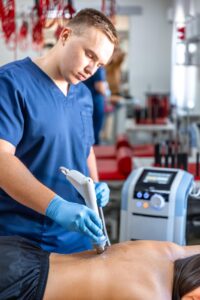
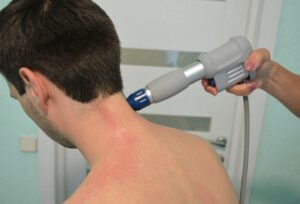
Shockwave therapy may support recovery by:
- Improving circulation
- Reducing muscle tightness
- Enhancing tissue repair
- Increasing movement
This is especially relevant for office workers and people with sedentary lifestyles.
4. Sacroiliac Joint Dysfunction
The sacroiliac joints connect the spine to the pelvis. Dysfunction in this area may cause:
- Lower back pain
- Hip discomfort
- Difficulty walking
- Pain when standing
Shockwave therapy can sometimes be used alongside physiotherapy and strengthening exercises.
5. Postural Dysfunction
Modern lifestyles contribute heavily to spinal discomfort. Poor posture can create chronic strain on muscles supporting the spine.
Treatment plans often include:
- Shockwave therapy
- Stretching
- Mobility work
- Core strengthening
- Ergonomic correction
How Does Shockwave Therapy Work for Back Pain?
Shockwave therapy stimulates a biological response inside damaged tissues.
The acoustic waves create microscopic mechanical stress that encourages the body’s healing processes.
Potential Effects Include:
Increased Blood Flow
Improved circulation helps transport oxygen and nutrients into damaged tissues.
Tissue Regeneration
The treatment may stimulate collagen production and cellular repair.
Pain Reduction
Shockwave therapy may reduce pain by affecting nerve signalling pathways and decreasing chronic inflammation.
Improved Mobility
Patients often report less stiffness and improved movement after several sessions.
Is Shockwave Therapy Safe for the Spine?
When performed correctly by trained professionals, shockwave therapy is generally considered safe for appropriate spinal-related conditions.
However, treatment should always begin with a proper medical assessment.
Healthcare professionals carefully evaluate:
- Pain location
- Underlying diagnosis
- Imaging results
- Neurological symptoms
- Existing spinal conditions
When Shockwave Therapy Should NOT Be Used
Shockwave therapy is not suitable for everyone.
It may be avoided in cases involving:
- Spinal fractures
- Severe osteoporosis
- Tumours near the spine
- Active infections
- Pregnancy
- Blood clotting disorders
- Severe nerve compression
- Spinal cord injuries
This is why professional assessment is essential before treatment begins.
What Happens During a Shockwave Therapy Session?
A typical shockwave therapy appointment in the UK lasts around 15–30 minutes.
The Process Usually Includes:
Initial Assessment
The clinician evaluates your symptoms and treatment suitability.
Gel Application
A conductive gel is applied to the treatment area.
Shockwave Delivery
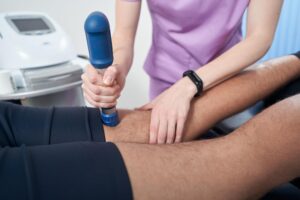
A handheld device sends acoustic pulses into targeted tissues.
Short Recovery Time
Most patients can return to normal activities shortly afterwards.
Some mild soreness may occur for 24–48 hours after treatment.
How Many Sessions Are Needed?
The number of sessions varies depending on the condition severity and patient response.
Typical treatment plans involve:
- 3–6 sessions
- Weekly appointments
- Combined physiotherapy exercises
Chronic conditions may require longer rehabilitation plans.
Does Shockwave Therapy Hurt?
Most patients describe the sensation as uncomfortable rather than painful.
The intensity can usually be adjusted during treatment.
Some people experience:
- Mild aching
- Tingling
- Temporary soreness
Discomfort generally improves as the tissues heal.
Benefits of Shockwave Therapy for Spinal-Related Pain
Non-Surgical Treatment
Many patients prefer avoiding surgery whenever possible.
Drug-Free Pain Management
Shockwave therapy may reduce reliance on painkillers and anti-inflammatory medication.
Fast Appointments
Sessions are relatively short and usually do not require downtime.
Supports Natural Healing
The treatment encourages the body’s own repair processes.
May Improve Mobility
Reduced stiffness can help patients return to normal daily activities.
Risks and Side Effects
Shockwave therapy is generally low risk, but minor side effects can occur.
These may include:
- Redness
- Bruising
- Temporary soreness
- Mild swelling
- Tenderness
Serious complications are rare when treatment is delivered appropriately.
Scientific Evidence on Shockwave Therapy and Back Pain
Research into shockwave therapy for spinal pain continues to grow.
Several studies suggest potential benefits for:
- Chronic lower back pain
- Myofascial trigger points
- Muscular dysfunction
- Fascia-related pain
However, outcomes vary depending on:
- Accurate diagnosis
- Treatment technique
- Condition severity
- Patient lifestyle factors
Most experts agree that shockwave therapy works best as part of a broader rehabilitation programme rather than a standalone solution.
Shockwave Therapy vs Physiotherapy
Many people wonder whether shockwave therapy is better than physiotherapy.
The answer is that they often work best together.
Physiotherapy Focuses On:
- Movement correction
- Strengthening
- Rehabilitation exercises
- Posture improvement
Shockwave Therapy Focuses On:
- Tissue stimulation
- Pain reduction
- Trigger point release
- Healing support
Combined treatment approaches often produce better long-term results.
Shockwave Therapy vs Steroid Injections
Steroid injections reduce inflammation quickly but may not address underlying tissue dysfunction.
Shockwave therapy aims to stimulate healing rather than simply masking pain.
Some patients prefer it because:
- It avoids repeated steroid use
- It is non-invasive
- There is no recovery downtime
- It may provide longer-term functional improvement
However, treatment suitability depends entirely on individual medical assessment.
Can Shockwave Therapy Help Sciatica?
Sciatica is caused by irritation or compression of the sciatic nerve.




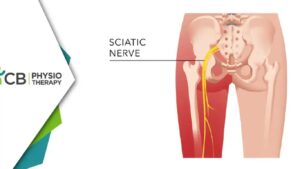
Shockwave therapy may sometimes help if muscle tightness surrounding the nerve contributes to symptoms.
However, it is not typically used directly on compressed nerves or severe spinal disc conditions.
Patients with sciatica should always seek medical evaluation first.
Who Should Perform Shockwave Therapy?
Only qualified healthcare professionals should administer shockwave therapy.
This may include:
- Physiotherapists
- Sports medicine clinicians
- Orthopaedic specialists
- Pain management practitioners
Choosing an experienced provider is particularly important when treating spinal-related pain.
Home Recovery and Support After Treatment
Many patients recovering from chronic pain benefit from additional home healthcare support.
This is especially true for:
- Elderly individuals
- Patients with reduced mobility
- Post-procedure recovery
- Ongoing injection management
- Long-term pain care
Private Nurse for Injection & Home Visit Near London, UK
Patients looking for professional at-home healthcare can access services through Proback UK.






The platform helps connect patients with experienced private nurses for:
- Injection services
- Home nursing visits
- Medication support
- Mobile healthcare appointments
- Recovery assistance
For patients managing chronic pain or mobility issues, home nursing care can provide valuable convenience and continuity of treatment.
Questions People Also Ask
Is shockwave therapy safe for the back?
Yes, shockwave therapy is generally safe for muscular and soft tissue conditions affecting the back when performed by qualified professionals. It is not usually applied directly to the spinal cord or unstable spinal structures.
Can shockwave therapy damage nerves?
When administered correctly, shockwave therapy is considered low risk. Improper application near sensitive neurological structures may increase complications, which is why professional assessment is essential.
How long does it take for shockwave therapy to work?
Some patients notice improvement after 1–2 sessions, while others require several weeks. Long-term conditions may take more time to respond.
Is shockwave therapy approved in the UK?
Yes, shockwave therapy is widely available in UK physiotherapy and sports medicine clinics. Treatment protocols may vary depending on the provider and condition.
Can shockwave therapy replace surgery?
In some cases, shockwave therapy may reduce symptoms enough to avoid surgery. However, severe spinal conditions may still require surgical intervention.
Expert Tips for Better Results
Patients often achieve better outcomes when combining shockwave therapy with healthy lifestyle habits.
Recommended Strategies Include:
- Regular stretching
- Core strengthening exercises
- Posture correction
- Weight management
- Ergonomic workstation setup
- Staying physically active
Long-term spinal health depends on addressing underlying movement and lifestyle factors.
When to Seek Medical Attention Immediately
You should seek urgent medical evaluation if back pain is accompanied by:
- Loss of bladder or bowel control
- Severe leg weakness
- Numbness in the groin area
- Sudden trauma
- Fever
- Unexplained weight loss
These symptoms may indicate serious spinal conditions requiring emergency care.
So, can shockwave therapy be used on the spine?
Yes — shockwave therapy can be used around the spine for selected musculoskeletal conditions involving muscles, fascia, trigger points, and soft tissue dysfunction. It is increasingly used in physiotherapy and pain management clinics across the UK as part of comprehensive rehabilitation programmes.
However, it is not suitable for every spinal condition and should never replace proper medical diagnosis. The best results usually occur when shockwave therapy is combined with physiotherapy, movement rehabilitation, and professional clinical guidance.
Patients recovering from chronic pain or requiring additional support at home may also benefit from services offered by Proback UK, including private nurse home visits, injection services, and mobile nursing care in London and across the UK.
With the right treatment plan, many individuals can improve mobility, reduce discomfort, and regain a better quality of life without invasive procedures.
Alternative Treatments for Spinal Pain Alongside Shockwave Therapy
Although shockwave therapy has become increasingly popular in the UK, healthcare professionals often recommend combining it with other evidence-based treatments for better long-term outcomes.
Physiotherapy Rehabilitation
Physiotherapy remains one of the most effective conservative treatments for spinal pain.
A physiotherapist may design a personalised programme including:
- Core strengthening
- Stretching exercises
- Mobility drills
- Posture correction
- Spinal stabilisation work
- Muscle activation therapy
Shockwave therapy can complement physiotherapy by helping reduce pain and improving tissue responsiveness.
Manual Therapy
Manual therapy techniques may help improve spinal mobility and reduce muscular tension.
These techniques include:
- Soft tissue massage
- Joint mobilisation
- Myofascial release
- Trigger point therapy
When combined with shockwave therapy, manual therapy may support faster symptom relief.
Hydrotherapy
Hydrotherapy is commonly used for chronic back pain rehabilitation in the UK.
Water-based exercise reduces pressure on joints and spinal structures while improving movement and strength.
It may particularly benefit patients with:
- Arthritis
- Chronic lower back pain
- Mobility limitations
- Post-surgical rehabilitation needs
Strength and Conditioning
Weak muscles surrounding the spine often contribute to recurring pain.
Strengthening programmes usually target:
- Core muscles
- Glutes
- Hip stabilisers
- Back extensors
- Postural muscles
Long-term spinal health depends heavily on muscular support and movement quality.
Understanding Different Types of Shockwave Therapy
Not all shockwave therapy is identical. Different technologies are used depending on the condition being treated.
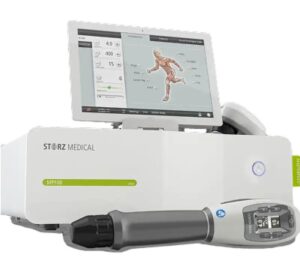
Focused Shockwave Therapy
Focused shockwave therapy penetrates deeper tissues and delivers concentrated energy.
It is often used for:
- Chronic tendon injuries
- Deep muscular dysfunction
- Specific pain points
Radial Shockwave Therapy
Radial shockwave therapy spreads energy across a broader treatment area.

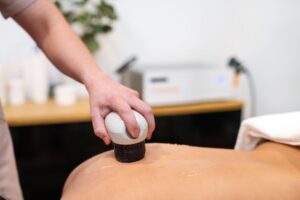

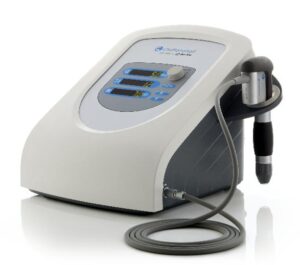
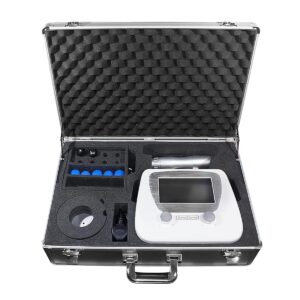
It is commonly used for:
- Muscle tightness
- Fascia restrictions
- Broader soft tissue conditions
The appropriate approach depends on the patient’s diagnosis and treatment goals.
Why Spinal Pain Is So Common in the UK
Back pain affects millions of people across the UK every year and remains one of the leading causes of disability and work absence.
Common contributing factors include:
- Sedentary lifestyles
- Remote working
- Poor posture
- Obesity
- Stress
- Lack of physical activity
- Heavy lifting
- Sports injuries
Modern working environments have significantly increased spinal strain, particularly among office workers.
Can Shockwave Therapy Help Herniated Discs?
This is one of the most searched questions related to spinal shockwave therapy.
The answer is nuanced.
Shockwave therapy is generally not aimed directly at treating a herniated spinal disc itself. However, it may help reduce secondary muscular tension and soft tissue pain surrounding the affected area.
Patients with disc problems often experience:
- Muscle guarding
- Trigger points
- Reduced movement
- Compensatory tension patterns
Treating these surrounding tissues may improve comfort and mobility.
However, severe disc herniation with neurological symptoms requires specialist medical evaluation.
Signs Your Back Pain May Be Muscular Rather Than Structural
Shockwave therapy tends to work best for muscular and soft tissue problems.
Symptoms that may suggest muscular involvement include:
- Tightness that improves with movement
- Pain after prolonged sitting
- Tender trigger points
- Muscle stiffness
- Pain linked to posture
- Aching rather than sharp nerve pain
In contrast, symptoms such as numbness, severe weakness, or bladder dysfunction require urgent medical assessment.
The Growing Popularity of Non-Invasive Pain Treatments
Many UK patients are now actively seeking alternatives to surgery and opioid-based pain management.
Non-invasive therapies are becoming increasingly popular because they may:
- Reduce downtime
- Avoid surgical risks
- Support natural healing
- Minimise medication dependence
- Improve quality of life
Shockwave therapy fits into this growing trend towards conservative musculoskeletal care.
How Lifestyle Impacts Spinal Health
Even the best treatment cannot fully overcome poor daily habits.
Long-term spinal health requires consistent lifestyle management.
Daily Habits That Support Spinal Recovery
Regular Movement
Sitting for long periods places significant pressure on spinal structures.
Short walking breaks throughout the day can help reduce stiffness.
Good Posture
Proper posture reduces unnecessary strain on spinal muscles and joints.
Helpful strategies include:
- Ergonomic desk setups
- Screen positioning
- Lumbar support
- Neutral neck alignment
Healthy Weight Management
Excess body weight increases spinal loading, especially in the lower back.
Maintaining a healthy weight may help reduce chronic pain.
Stress Management
Stress often contributes to muscular tension, particularly in the neck and upper back.
Relaxation strategies may include:
- Breathing exercises
- Yoga
- Meditation
- Regular physical activity
What to Expect After Shockwave Therapy
Patients respond differently to treatment.
Some people notice immediate relief, while others experience gradual improvement over several weeks.
Common Recovery Experiences Include:
- Temporary soreness
- Improved movement
- Reduced stiffness
- Better flexibility
- Increased comfort during daily activities
Clinicians often recommend avoiding intense exercise immediately after treatment.
Is Shockwave Therapy Available on the NHS?
Shockwave therapy availability on the NHS varies depending on region and clinical commissioning policies.
In many cases, patients access treatment privately through:
- Physiotherapy clinics
- Sports medicine centres
- Orthopaedic providers
- Pain management clinics
Waiting times and eligibility criteria differ across the UK.
Cost of Shockwave Therapy in the UK
Private shockwave therapy costs can vary depending on:
- Clinic location
- Practitioner expertise
- Number of sessions
- Condition complexity
Typical UK pricing ranges between:
- £50–£150 per session
Many clinics offer treatment packages for chronic conditions.
Choosing the Right Clinic for Shockwave Therapy
When selecting a provider, patients should consider:
Professional Qualifications
Ensure treatment is performed by qualified healthcare professionals.
Experience With Spinal Conditions
Not all practitioners specialise in spinal pain management.
Comprehensive Assessment
Good clinics perform detailed assessments before starting treatment.
Rehabilitation Support
The best outcomes usually involve integrated rehabilitation plans rather than isolated therapy sessions.
Home Healthcare Support for Recovery
Chronic spinal pain can significantly affect daily living.
Some individuals benefit from professional nursing support at home, especially after procedures, injections, or periods of limited mobility.
Benefits of Home Nursing Services
Home healthcare may provide:
- Greater comfort
- Reduced travel stress
- Personalised support
- Medication management
- Monitoring during recovery
For individuals in London and surrounding areas, Proback UK offers access to private nursing services and home visits tailored to patient needs.
Private Nurse for Injection & Home Visit Near London, UK
Many patients recovering from musculoskeletal conditions require ongoing injection therapy or nursing assistance.



Services available through Proback UK may include:
- At-home injections
- Medication administration
- Mobile nursing appointments
- Elderly care support
- Post-treatment monitoring
- Recovery assistance
Home nursing care can be particularly useful for patients with mobility limitations or chronic pain conditions affecting travel.
Frequently Asked Questions About Shockwave Therapy and the Spine
Can shockwave therapy cure back pain permanently?
Shockwave therapy may significantly reduce pain and improve function, but permanent results depend on addressing underlying causes such as posture, muscle weakness, and lifestyle factors.
Is shockwave therapy better than regenerative treatment?
These treatments serve different purposes. Shockwave therapy primarily targets soft tissue healing, while specialist care focuses on spinal manipulation and alignment.
Can elderly patients have shockwave therapy?
Many older adults can safely receive shockwave therapy, although clinicians must first assess bone health, circulation, and overall medical history.
Does shockwave therapy work immediately?
Some patients notice rapid improvement, while others experience gradual progress over several weeks.
Is shockwave therapy painful afterwards?
Mild soreness is common but usually temporary. Serious side effects are rare when treatment is delivered correctly.
Topical Authority: Related Conditions Connected to Spinal Pain
To fully understand whether shockwave therapy can help spinal conditions, it is important to recognise related musculoskeletal issues that commonly coexist with back pain.
Related Conditions Include:
- Sciatica
- Piriformis syndrome
- Sacroiliac dysfunction
- Myofascial pain syndrome
- Facet joint irritation
- Muscle imbalance
- Chronic neck tension
- Thoracic stiffness
Addressing surrounding dysfunction often plays a major role in recovery.
Emerging Trends in Musculoskeletal Medicine
The future of spinal pain management increasingly focuses on:
- Non-invasive treatment
- Personalised rehabilitation
- Regenerative therapies
- Holistic pain management
- Home-based healthcare support
Shockwave therapy continues to gain attention as part of modern multidisciplinary treatment approaches.
Final Conclusion
Can shockwave therapy be used on the spine? Yes — in carefully selected cases involving muscular and soft tissue dysfunction surrounding the spine, shockwave therapy may provide meaningful relief and support rehabilitation.
It is most commonly used for:
- Chronic lower back pain
- Trigger points
- Myofascial dysfunction
- Neck and upper back tension
- Soft tissue-related pain
However, it is not suitable for every spinal condition and should only be administered after professional assessment by qualified healthcare practitioners.
The most effective spinal care plans usually combine:
- Physiotherapy
- Exercise rehabilitation
- Lifestyle modification
- Pain management strategies
- Professional medical support
For individuals needing additional recovery assistance, injection services, or home healthcare in London and across the UK, Proback UK provides professional private nursing and mobile healthcare solutions tailored to patient needs.
As awareness of non-invasive pain management continues to grow, shockwave therapy is likely to remain an increasingly important option for patients seeking safer, evidence-informed alternatives to surgery and long-term medication use.