


What Is Shockwave Therapy Used to Treat?
Shockwave therapy is a modern non-invasive treatment widely used across the UK to help manage chronic pain, musculoskeletal injuries, tendon disorders, and soft tissue conditions. It has become increasingly popular among physiotherapists, sports injury clinics, orthopaedic specialists, and rehabilitation professionals because it can promote healing without surgery or long recovery periods.
For many patients suffering from persistent heel pain, shoulder injuries, tennis elbow, Achilles tendon issues, or chronic muscle tightness, shockwave therapy offers a clinically supported alternative when traditional treatments have not delivered lasting results.
In recent years, demand for home-based healthcare and rehabilitation support has also grown significantly in London and across the UK. Patients recovering from sports injuries, orthopaedic conditions, injections, or post-treatment mobility limitations often require personalised nursing care at home. Services such as private nursing visits, home injections, and mobile nurse appointments have become an essential part of modern patient care.
Patients seeking trusted home healthcare support can explore professional mobile nursing services through Proback, offering private nurse home visits and injection services in London and surrounding areas.
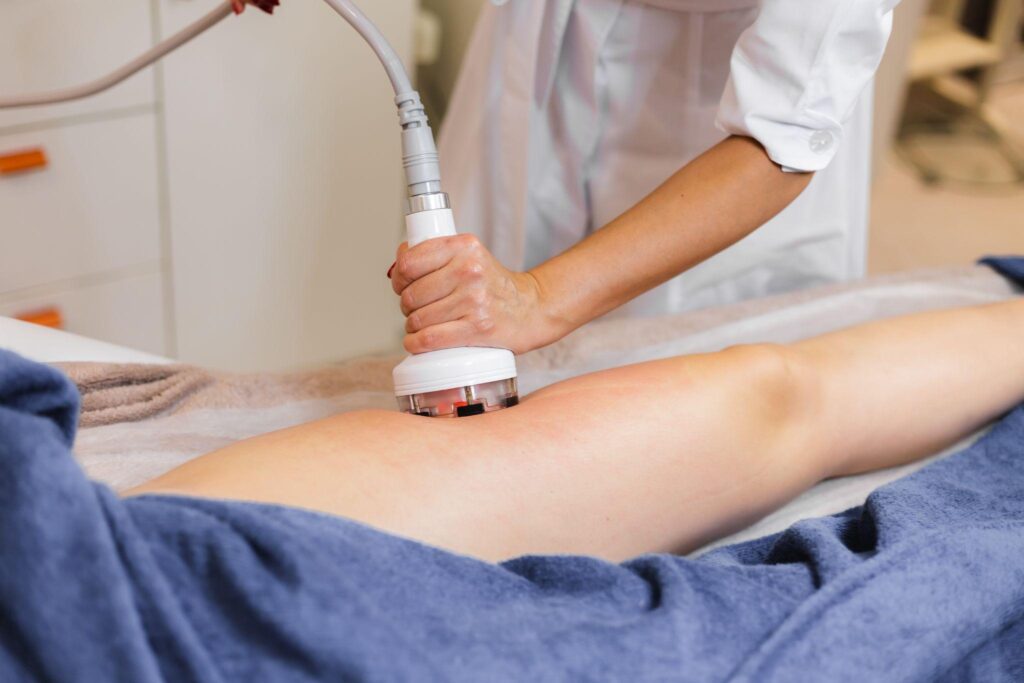
What Is Shockwave Therapy?
Shockwave therapy, also called Extracorporeal Shockwave Therapy (ESWT), uses high-energy acoustic waves to stimulate healing in damaged tissues. These sound waves are directed at the affected area using specialised medical equipment.
The treatment is commonly used for:
- Chronic tendon pain
- Sports injuries
- Muscle tightness
- Ligament damage
- Calcific conditions
- Joint pain
- Soft tissue inflammation
Shockwave therapy works by increasing blood circulation, stimulating tissue regeneration, reducing inflammation, and encouraging the body’s natural healing response.
Unlike surgery, shockwave therapy does not require incisions, anaesthesia, or long hospital stays. Most sessions are completed within 15 to 30 minutes.
How Does Shockwave Therapy Work?
Shockwave therapy delivers controlled acoustic pulses into injured tissues. These pulses create microscopic stimulation within the area, encouraging repair and regeneration.
The treatment may help by:
- Increasing collagen production
- Improving blood flow
- Breaking down scar tissue
- Reducing chronic inflammation
- Stimulating stem cell activity
- Enhancing tissue healing
- Reducing pain signals
For patients with long-term tendon injuries or chronic pain, the therapy can help restart healing processes that may have slowed down over time.
What Is Shockwave Therapy Used to Treat?
Shockwave therapy is used to treat a wide range of orthopaedic, sports injury, and musculoskeletal conditions.
1. Plantar Fasciitis
One of the most common uses of shockwave therapy in the UK is for plantar fasciitis.
This condition causes pain in the heel and bottom of the foot due to inflammation of the plantar fascia ligament.
Symptoms include:
- Sharp heel pain in the morning
- Pain after long periods of standing
- Foot stiffness
- Tenderness under the heel
Shockwave therapy can help reduce inflammation and stimulate healing in stubborn cases that do not respond to stretching or orthotics.
2. Tennis Elbow
Tennis elbow, medically known as lateral epicondylitis, affects the tendons around the elbow.
It commonly occurs due to repetitive arm movements, gripping activities, gym training, or occupational strain.
Shockwave therapy may help by:
- Reducing tendon inflammation
- Improving tissue repair
- Relieving chronic elbow pain
- Restoring arm function
Many physiotherapy clinics in London use shockwave therapy for chronic tennis elbow management.
3. Achilles Tendinopathy
Achilles tendon pain is common among runners, athletes, and active individuals.
Symptoms include:
- Heel stiffness
- Pain during walking or exercise
- Swelling near the tendon
- Reduced mobility
Shockwave therapy is often recommended when physiotherapy alone has not improved symptoms.
4. Calcific Shoulder Tendinitis
This condition occurs when calcium deposits build up inside the shoulder tendons.
It may cause:
- Shoulder stiffness
- Severe pain
- Reduced arm movement
- Difficulty sleeping on the affected side
Shockwave therapy can help break down calcium deposits while reducing pain and improving shoulder mobility.
5. Patellar Tendinopathy (Jumper’s Knee)
Patellar tendon injuries are common in sports involving jumping, running, or repetitive knee movements.
Shockwave therapy may support tendon healing and reduce persistent knee pain.
6. Shin Splints
Athletes and runners experiencing shin splints may benefit from shockwave therapy combined with rehabilitation exercises.
It can help reduce inflammation and support tissue recovery.
7. Hip Pain and Gluteal Tendinopathy
Shockwave therapy is increasingly used for lateral hip pain and gluteal tendon disorders.
Patients often experience:
- Pain when walking
- Difficulty climbing stairs
- Pain when lying on one side
Treatment may improve movement and reduce discomfort.
8. Chronic Muscle Tightness
Shockwave therapy can also help relieve muscular trigger points and chronic tension.
This may include:
- Neck pain
- Back tightness
- Calf tension
- Shoulder stiffness
Benefits of Shockwave Therapy
Shockwave therapy offers several advantages compared with invasive treatments.
Non-Surgical Treatment
Many patients choose shockwave therapy to avoid surgery and lengthy recovery periods.
Minimal Downtime
Most people can return to daily activities shortly after treatment.
Drug-Free Pain Relief
Shockwave therapy may reduce the need for painkillers or anti-inflammatory medication.
Faster Recovery
Athletes and active individuals often use shockwave therapy to accelerate rehabilitation.
Improved Mobility
Reducing pain and inflammation can help improve movement and flexibility.
Long-Term Results
For many chronic conditions, shockwave therapy provides lasting improvement when combined with physiotherapy and exercise rehabilitation.
Is Shockwave Therapy Painful?
Patients may feel mild discomfort during treatment, especially around sensitive or inflamed areas. However, the intensity can usually be adjusted.
Most people tolerate the treatment well, and sessions are relatively quick.
Some mild soreness after treatment is normal and usually settles within 24 to 48 hours.
How Many Shockwave Therapy Sessions Are Needed?
The number of sessions varies depending on the condition and severity.
Typically:
- 3 to 6 sessions are recommended
- Sessions are usually spaced one week apart
- Improvement may develop gradually over several weeks
Chronic conditions may require additional rehabilitation exercises alongside therapy.
Who Can Benefit From Shockwave Therapy?
Shockwave therapy may benefit:
- Athletes
- Office workers
- Runners
- Older adults
- People with chronic pain
- Patients recovering from tendon injuries
- Individuals with repetitive strain injuries
It is commonly recommended for people who have not responded well to:
- Rest
- Physiotherapy
- Medication
- Stretching
- Cortisone injections
Who Should Avoid Shockwave Therapy?
Shockwave therapy may not be suitable for everyone.
It is generally avoided in patients with:
- Blood clotting disorders
- Active infections
- Pregnancy
- Certain nerve conditions
- Tumours near the treatment area
- Recent fractures
A qualified healthcare professional should assess suitability before treatment begins.
Shockwave Therapy and Sports Injury Recovery
Sports injury clinics throughout London and the UK increasingly use shockwave therapy because it can support faster recovery while reducing the need for surgery.
Common sports-related conditions treated include:
- Runner’s knee
- Achilles injuries
- Hamstring strains
- Tendon inflammation
- Shoulder overuse injuries
- Heel pain
Athletes often combine shockwave therapy with:
- Physiotherapy
- Strength training
- Mobility exercises
- Rehabilitation programmes
Can Shockwave Therapy Help Chronic Pain?
Yes. Shockwave therapy is often used for chronic musculoskeletal pain that has persisted for months or even years.
Conditions that may respond include:
- Persistent heel pain
- Chronic tendon disorders
- Long-term shoulder pain
- Muscle trigger points
- Repetitive strain injuries
The treatment may help reduce pain sensitivity while improving tissue healing.
What Happens During a Shockwave Therapy Session?
A typical appointment involves:
- Clinical assessment
- Identification of the painful area
- Application of ultrasound gel
- Delivery of acoustic waves using a handheld device
- Post-treatment advice and rehabilitation guidance
Sessions are generally short and performed in outpatient clinics.
Recovery After Shockwave Therapy
Recovery is usually straightforward.
Patients are often advised to:
- Avoid intense exercise for 24 to 48 hours
- Follow prescribed rehabilitation exercises
- Stay hydrated
- Avoid anti-inflammatory medication immediately after treatment
- Attend follow-up physiotherapy sessions if recommended
Some patients notice improvement quickly, while others experience gradual progress over several weeks.
Home Healthcare Support After Injury Treatment
Patients undergoing rehabilitation for musculoskeletal injuries sometimes require additional care at home.
This may include:
- Injection administration
- Mobility assistance
- Medication support
- Elderly care
- Post-operative care
- Wound management
- Chronic condition monitoring
Private home nursing services have become increasingly valuable for patients recovering comfortably at home.
Private Nurse for Injection & Home Visit Near London, UK – Book Mobile Nurse Appointment
Modern healthcare is increasingly moving beyond traditional hospital settings. Many patients now prefer receiving professional nursing care in the comfort of their own homes.
Whether recovering from injury, surgery, chronic illness, or mobility limitations, private nursing services provide convenience, personalised attention, and continuity of care.
Professional home nursing services are especially beneficial for:
- Elderly patients
- Individuals with limited mobility
- Busy professionals
- Patients recovering after surgery
- People requiring regular injections
- Individuals managing chronic illnesses
What Does a Private Mobile Nurse Do?
A private mobile nurse can provide a wide range of healthcare services at home.
These may include:
- Injection administration
- Vitamin injections
- Medication support
- Blood pressure monitoring
- Wound care
- Catheter care
- Post-operative support
- Elderly care
- Health assessments
- Chronic disease management
Patients across London increasingly use mobile nursing services to avoid unnecessary clinic visits.
Benefits of Booking a Private Nurse at Home
Convenience
Home visits remove the stress of travelling to medical appointments.
Personalised Care
Patients receive one-to-one attention tailored to their individual needs.
Comfort
Receiving care at home often feels more relaxing and less stressful.
Time Saving
Busy individuals can arrange flexible appointments around work and family commitments.
Reduced Hospital Visits
Home healthcare can help minimise unnecessary exposure to busy clinics and hospitals.
Injection Services at Home in London
Private nurses commonly provide home injection services for:
- Vitamin B12 injections
- Fertility injections
- Antibiotic injections
- Hormone treatments
- Prescription medication injections
- Post-operative medications
Professional nurses ensure injections are administered safely and correctly.
Elderly Home Nursing Care
Older adults often benefit significantly from home-based nursing care.
Services may include:
- Medication reminders
- Mobility assistance
- Chronic illness monitoring
- Personal care support
- Companionship
- Recovery care after hospital discharge
Families often choose private nursing services for added reassurance and continuity of care.
Why London Residents Choose Mobile Nursing Services
London’s busy lifestyle, long travel times, and increasing healthcare demands have contributed to growing interest in private home healthcare.
Patients often prefer home visits because they provide:
- Faster access to care
- Flexible scheduling
- Improved comfort
- Privacy
- Reduced waiting times
Choosing a Trusted Private Nursing Provider
When selecting a private nurse service in London, patients should consider:
- Professional qualifications
- Nursing experience
- Availability
- Patient reviews
- Range of services
- Communication standards
- Safety procedures
A reputable provider will prioritise patient-centred care and clinical professionalism.
Book Professional Home Nursing Services in London
Patients looking for reliable private nursing care and home injection services in London can explore trusted healthcare support through Proback UK Home Nursing Services.
The platform offers mobile nurse appointments, injection services, and personalised home healthcare support delivered by experienced professionals.
Frequently Asked Questions About Shockwave Therapy
Is shockwave therapy safe?
Shockwave therapy is generally considered safe when performed by trained healthcare professionals.
How long does it take to work?
Some patients notice improvement after a few sessions, while others experience gradual benefits over several weeks.
Can shockwave therapy replace surgery?
In some cases, it may help patients avoid surgery, especially for chronic tendon conditions.
Does shockwave therapy help arthritis?
It may help certain soft tissue symptoms around arthritic joints, although it is not a cure for arthritis itself.
Can I walk after shockwave therapy?
Yes, most patients can continue normal daily activities immediately after treatment.
Frequently Asked Questions About Private Nursing Home Visits
Can nurses give injections at home?
Yes, qualified private nurses can administer prescribed injections safely at home.
Are mobile nursing services available across London?
Many providers offer services throughout Greater London and surrounding areas.
Can elderly patients receive regular home visits?
Yes, ongoing nursing support can often be arranged for elderly or chronically ill patients.
Are private nursing appointments flexible?
Most services provide flexible booking options, including evenings and weekends.
Shockwave therapy has become an important treatment option for chronic pain, tendon injuries, sports rehabilitation, and musculoskeletal recovery throughout the UK. Its non-invasive nature, minimal downtime, and growing clinical use make it an attractive alternative for many patients seeking effective pain relief without surgery.
At the same time, home-based healthcare services continue to transform how patients receive medical support. Private nurses, home injection services, and mobile healthcare appointments provide convenient and personalised care for individuals recovering from injury, illness, or ongoing health conditions.
For patients seeking professional mobile nursing care and home healthcare support in London, Proback UK offers trusted private nurse appointments and home visit services tailored to individual healthcare needs.
Shockwave Therapy vs Physiotherapy: What Is the Difference?
Many patients across the UK wonder whether shockwave therapy is better than physiotherapy. In reality, the two treatments often work best together rather than separately.
Physiotherapy focuses on:
- Strengthening muscles
- Improving mobility
- Restoring movement patterns
- Correcting posture
- Supporting long-term rehabilitation
Shockwave therapy focuses on:
- Stimulating tissue healing
- Reducing chronic pain
- Breaking down calcification
- Improving blood circulation
- Treating stubborn tendon conditions
For chronic injuries, healthcare professionals often combine both treatments to achieve the best outcomes.
For example:
| Condition | Physiotherapy | Shockwave Therapy |
| Plantar Fasciitis | Stretching and strengthening | Tissue regeneration |
| Tennis Elbow | Mobility and rehabilitation | Tendon healing |
| Achilles Tendon Pain | Load management | Pain reduction |
| Shoulder Tendinitis | Range of movement exercises | Calcification breakdown |
This combined rehabilitation approach is increasingly used in sports medicine and musculoskeletal clinics throughout London and the UK.
Is Shockwave Therapy Covered by Private Health Insurance in the UK?
Some private health insurance providers in the UK may cover shockwave therapy depending on:
- Your policy terms
- Referral requirements
- Clinical diagnosis
- Approved treatment providers
Patients should check with their insurer before starting treatment.
Common insurers that may offer musculoskeletal treatment coverage include:
- Bupa
- AXA Health
- Vitality
- WPA
- Aviva Health
Coverage varies between policies.
The Growing Popularity of Non-Surgical Pain Treatments in London
There has been a significant increase in demand for non-invasive pain management treatments across the UK.
Several factors contribute to this trend:
- Rising awareness of conservative treatment options
- Desire to avoid surgery
- Faster recovery times
- Reduced reliance on pain medication
- Increasing sports participation
- Greater focus on active lifestyles
Shockwave therapy has become especially popular among:
- Runners
- Cyclists
- Office professionals
- Gym enthusiasts
- Older adults maintaining mobility
- Amateur athletes
Many London clinics now include shockwave therapy as part of integrated rehabilitation programmes.
Can Shockwave Therapy Help Office Workers?
Yes. Office workers commonly develop musculoskeletal pain due to:
- Poor posture
- Repetitive strain
- Long periods of sitting
- Keyboard overuse
- Neck and shoulder tension
Shockwave therapy may help relieve:
- Shoulder tightness
- Elbow pain
- Wrist strain
- Upper back discomfort
- Chronic muscle tension
Combined with ergonomic changes and physiotherapy, treatment may improve workplace comfort and productivity.
How Shockwave Therapy Supports Tendon Healing
Tendon injuries are notoriously slow to heal because tendons often have limited blood supply.
Shockwave therapy may help by stimulating:
- Cellular repair
- Blood vessel formation
- Collagen synthesis
- Metabolic activity
- Tissue regeneration
This biological response makes shockwave therapy particularly effective for chronic tendinopathies that have failed to improve with rest alone.
Common Signs You May Need Shockwave Therapy
Patients may consider shockwave therapy if they experience:
- Pain lasting more than 3 months
- Stubborn tendon injuries
- Pain during walking or exercise
- Heel pain upon waking
- Chronic shoulder discomfort
- Limited mobility
- Recurring sports injuries
- Persistent elbow pain
Early assessment from a qualified healthcare professional is important for accurate diagnosis and treatment planning.
The Role of Home Nursing During Recovery
Patients recovering from chronic pain conditions, surgery, injections, or rehabilitation may benefit from additional medical support at home.
Home nursing can help individuals who:
- Have limited mobility
- Need medication monitoring
- Require post-treatment support
- Need regular injections
- Require wound care
- Need elderly assistance
Professional nursing visits can support safer and more comfortable recovery.
Why Home Healthcare Is Expanding Across the UK
Home healthcare services are rapidly growing throughout London and the UK because they offer flexible, patient-centred care.
Key reasons include:
Ageing Population
More elderly individuals prefer receiving care at home rather than in residential facilities.
Increased Demand for Convenience
Busy professionals and families often choose mobile healthcare services to save time.
Reduced Hospital Pressure
Home care services help reduce pressure on hospitals and GP surgeries.
Better Patient Comfort
Patients often feel more relaxed and confident in familiar surroundings.
Mobile Nurses and Post-Surgical Care
Patients recovering after surgery often require:
- Dressing changes
- Injection administration
- Medication support
- Monitoring for complications
- Pain management assistance
Private nurses can provide these services directly at home, improving comfort and reducing unnecessary travel during recovery.
At-Home Injection Services in London
Home injection appointments are becoming increasingly popular throughout Greater London.
These services are commonly used for:
- Fertility treatment
- Vitamin therapies
- Hormone injections
- Antibiotic administration
- Post-operative medication
- Chronic illness management
Qualified nurses ensure injections are administered safely and professionally.
Patients searching for reliable private healthcare support can explore services through Proback UK Mobile Nurse Appointments.
What to Expect During a Private Nurse Home Visit
A typical home nursing appointment may include:
- Patient assessment
- Review of medical requirements
- Administration of treatment
- Monitoring and observations
- Healthcare advice
- Follow-up recommendations
Appointments are usually designed around the patient’s individual healthcare needs.
Are Mobile Nursing Services Safe?
Yes, reputable private nursing providers follow strict healthcare standards.
Professional nurses should:
- Hold valid qualifications
- Follow infection control protocols
- Maintain patient confidentiality
- Use clinically approved procedures
- Deliver personalised care plans
Patients should always choose trusted and experienced providers.
Shockwave Therapy Recovery Tips
To maximise recovery after shockwave therapy, patients are often advised to:
- Attend all scheduled sessions
- Follow physiotherapy guidance
- Avoid excessive strain early on
- Wear supportive footwear when necessary
- Stay active within recommended limits
- Maintain a healthy lifestyle
Consistency is important for long-term improvement.
How Long Do Shockwave Therapy Results Last?
Results vary depending on:
- Injury severity
- Lifestyle habits
- Activity levels
- Rehabilitation adherence
- Overall health
Many patients experience long-lasting relief when treatment is combined with proper rehabilitation and injury prevention strategies.
The Future of Rehabilitation and Home Healthcare in the UK
Healthcare in the UK continues to shift toward personalised, community-based care models.
This includes growing demand for:
- Non-invasive therapies
- Mobile healthcare services
- Home rehabilitation
- Virtual consultations
- Preventative healthcare
- Sports injury management
Patients increasingly value convenience, accessibility, and holistic recovery approaches.
Shockwave therapy and mobile nursing services both reflect this broader healthcare transformation.
Topical Authority: Related Conditions Commonly Linked to Shockwave Therapy
To better understand how shockwave therapy fits into modern rehabilitation, it is useful to explore related musculoskeletal and chronic pain conditions.
These include:
- Rotator cuff injuries
- Frozen shoulder
- Repetitive strain injuries
- Tendinitis
- Bursitis
- Myofascial pain syndrome
- Lower back tension
- Sports overuse injuries
- Knee pain syndromes
- Soft tissue inflammation
Clinics specialising in musculoskeletal rehabilitation often use multidisciplinary treatment approaches combining physiotherapy, exercise therapy, manual therapy, and shockwave treatment.
Frequently Asked Questions
Can shockwave therapy cure plantar fasciitis?
Shockwave therapy may significantly improve symptoms and promote healing, particularly in chronic cases resistant to standard treatment.
How quickly can I return to exercise?
Most patients can continue light activities, although intense training may need temporary modification.
Is shockwave therapy suitable for older adults?
Yes, many older patients benefit from treatment for chronic tendon pain and mobility issues.
Do private nurses provide weekend home visits?
Many private nursing services offer flexible appointment scheduling, including evenings and weekends.
Can injections be administered safely at home?
Yes, qualified private nurses are trained to administer injections safely and professionally in home settings.
Conclusion
Shockwave therapy has become one of the leading non-surgical treatment options for chronic pain, tendon injuries, and musculoskeletal rehabilitation in the UK. Its ability to stimulate healing naturally while reducing pain makes it an increasingly popular choice among healthcare professionals and patients alike.
From plantar fasciitis and tennis elbow to Achilles tendinopathy and shoulder calcification, shockwave therapy offers an evidence-based treatment approach for individuals seeking faster recovery and improved mobility without surgery.
Alongside modern rehabilitation therapies, home healthcare services continue to play a vital role in supporting patient wellbeing. Private nurse home visits, mobile injection services, and personalised at-home medical care provide flexibility, comfort, and professional support for patients across London.
For individuals seeking trusted home healthcare solutions, Proback UK Private Nursing Services provides professional mobile nurse appointments, injection services, and home care support tailored to individual patient needs throughout London and surrounding areas.