


How long does nerve hydrodissection last?
Nerve hydrodissection is a minimally invasive procedure designed to relieve nerve compression and restore natural nerve movement. It is commonly used to treat conditions like sciatica, carpal tunnel syndrome, and other nerve entrapments.
A key question many patients ask is: how long do the results actually last?
The answer varies depending on the individual, but many people experience relief lasting several months to multiple years, especially when combined with proper rehabilitation and lifestyle changes.
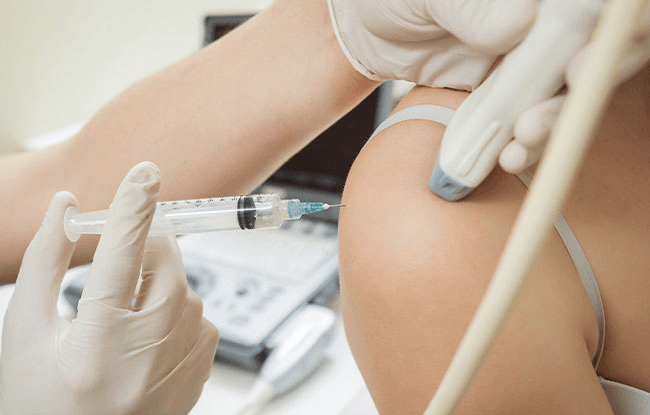
What Is Nerve Hydrodissection?
Hydrodissection is an ultrasound-guided injection technique that separates a nerve from surrounding tissues using a sterile fluid solution.
Goals of the Procedure
- Reduce pressure on the nerve
- Improve nerve mobility
- Decrease inflammation
- Restore normal nerve function
It is commonly used for:
- Sciatic nerve irritation
- Carpal tunnel syndrome
- Chronic back pain
- Peripheral nerve entrapment
- Thoracic outlet syndrome
- Sports-related nerve injuries
How Long Do Hydrodissection Results Last?
The duration of relief can vary, but typical outcomes include:
- Short-term relief: Weeks to a few months
- Moderate-term relief: Several months
- Long-term relief: 1–2 years or more
For some patients, a single treatment is enough to provide lasting improvement. Others may need multiple sessions for optimal results.
Key Insight
The long-term success depends on whether the root cause of nerve compression is addressed.
When Does Pain Relief Begin?
Immediate Relief
Some patients feel relief right after the procedure because pressure on the nerve is instantly reduced.
Gradual Improvement
Others experience improvement over days to weeks as inflammation decreases and the nerve begins to move more freely.
Common Early Improvements
- Reduced tingling or numbness
- Less nerve irritation
- Improved mobility
- Decreased pain during movement
Factors That Affect How Long It Lasts
1. Severity of Nerve Compression
- Mild cases often improve quickly and last longer
- Chronic or severe compression may require multiple treatments
2. Underlying Cause
Hydrodissection works best when compression is caused by:
- Scar tissue
- Tight fascia
- Muscle tension
- Inflammation
Structural issues (like advanced degeneration) may limit long-term results.
3. Number of Treatments
- Some patients need 1 session
- Others benefit from 2–4 sessions spaced weeks apart
Repeated treatments can gradually improve outcomes.
4. Rehabilitation and Aftercare
Patients who follow structured recovery programs tend to see longer-lasting results.
These may include:
- Physical therapy
- Stretching routines
- Postural correction
- Strength training
5. Lifestyle and Daily Habits
Long-term success is strongly influenced by:
- Good posture
- Regular movement
- Ergonomic work setup
- Avoiding repetitive strain
Do You Need Repeat Treatments?
In some cases, yes.
Repeat hydrodissection may be recommended when:
- Nerve entrapment is long-standing
- Scar tissue is extensive
- Symptoms partially improve but persist
A typical plan may include 2–4 sessions to progressively release the nerve.
Conditions with the Best Outcomes
Hydrodissection tends to work especially well for:
- Carpal tunnel syndrome
- Sciatic nerve entrapment
- Peripheral nerve compression
- Thoracic outlet syndrome
- Post-surgical adhesions
- Sports-related nerve irritation
Early treatment often leads to better and longer-lasting results.
Hydrodissection vs Specialist Care
Hydrodissection directly targets nerve compression using injections, while specialist care focuses on improving spinal alignment and overall nerve function.
Specialist Care May Include
- Spinal adjustments
- Soft tissue therapy
- Postural correction
- Movement rehabilitation
In many cases, combining both approaches can improve long-term outcomes.
Tips to Make Results Last Longer
Improve Posture
Maintaining proper posture reduces stress on nerves and surrounding tissues.
Stay Active
Regular movement keeps tissues flexible and prevents stiffness.
Strengthen Supporting Muscles
Core and stabilizing muscles help reduce pressure on nerves.
Avoid Repetitive Strain
Modify activities that may irritate nerves, especially for desk workers and athletes.
When to Seek Professional Help
Consider evaluation if you experience:
- Persistent back or neck pain
- Tingling or numbness
- Sciatic pain
- Muscle weakness
- Reduced mobility
Early treatment can prevent long-term nerve damage.
Final Thoughts
So, how long does nerve hydrodissection last?
For many patients, relief can last months to years, especially when combined with proper care and lifestyle changes.
Key Takeaways
- Relief may begin immediately or within weeks
- Results often last several months to years
- Multiple treatments may enhance outcomes
- Addressing root causes is essential for long-term success
Hydrodissection is a powerful option for treating nerve compression, particularly when paired with a comprehensive rehabilitation plan.
Hydrodissection offers a precise, non-surgical technique. It helps restore natural motion and comfort. Choose Proback for professional and reliable care.