


How Much Does One Session of Shockwave Therapy Cost in the UK?
Shockwave therapy has become one of the most sought-after non-surgical treatments in the UK for managing chronic pain, sports injuries, tendon conditions, and musculoskeletal disorders. From elite athletes to office workers dealing with long-term heel pain or shoulder stiffness, more people are turning to extracorporeal shockwave therapy (ESWT) as an alternative to injections or surgery.
One of the most common questions patients ask is: “How much does one session of shockwave therapy cost?”
In the UK, the average cost of one shockwave therapy session typically ranges between £60 and £150, depending on the clinic location, practitioner expertise, condition being treated, and the type of shockwave technology used. Clinics in London often charge more than clinics in smaller UK cities due to higher operational and specialist healthcare costs.
This guide explains everything patients need to know about shockwave therapy pricing in the UK, including what affects costs, how many sessions are usually needed, whether private health insurance covers treatment, and how home healthcare services are changing access to musculoskeletal care.

What Is Shockwave Therapy?
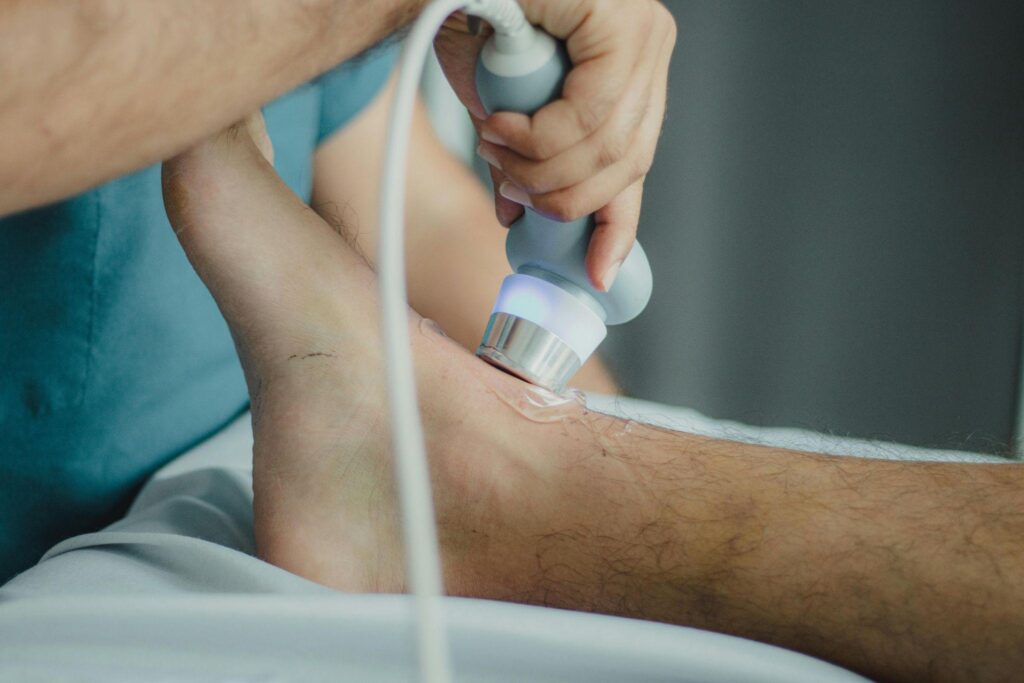
Shockwave therapy, also known as extracorporeal shockwave therapy (ESWT), is a non-invasive treatment that uses acoustic waves to stimulate healing in damaged tissues. It is commonly used by physiotherapists, sports medicine specialists, orthopaedic clinics, and rehabilitation experts.
The treatment works by sending targeted pressure waves into injured tissues to improve blood circulation, reduce inflammation, break down scar tissue, and encourage natural tissue repair.
Shockwave therapy is widely used for:
- Plantar fasciitis
- Achilles tendonitis
- Tennis elbow
- Golfer’s elbow
- Shoulder calcification
- Patellar tendon pain
- Hip pain
- Shin splints
- Chronic muscle tightness
- Sports injuries
- Tendinopathy
- Lower back pain
In many cases, patients choose shockwave therapy because it avoids surgery, reduces reliance on painkillers, and requires little or no downtime.
Average Cost of Shockwave Therapy Per Session in the UK
The cost of one shockwave therapy session in the UK varies significantly depending on several factors.
Typical UK Price Range
| Type of Clinic | Average Cost Per Session |
| Local physiotherapy clinic | £60 – £90 |
| Sports injury clinic | £80 – £120 |
| Specialist orthopaedic clinic | £100 – £150 |
| London private healthcare clinic | £120 – £180 |
Most patients require between 3 and 6 sessions, although chronic conditions may need additional treatment.
How Much Does Shockwave Therapy Cost in London?
London clinics generally charge higher fees than other parts of the UK due to:
- Higher clinic rental costs
- Specialist consultant involvement
- Advanced diagnostic imaging
- Access to premium sports medicine facilities
- Greater demand for private rehabilitation services
In London, a single shockwave therapy session often costs between £90 and £180.
Some Harley Street clinics may charge even more for specialist sports medicine consultations combined with ESWT.
What Factors Affect Shockwave Therapy Prices?
Several variables influence the overall cost of treatment.
1. Clinic Location
Clinics in Central London, Chelsea, Kensington, Canary Wharf, and private medical districts generally charge more than regional UK clinics.
2. Practitioner Expertise
A consultant orthopaedic specialist or sports medicine physician may charge more than a general physiotherapist due to advanced clinical expertise.
3. Type of Shockwave Machine
There are different forms of shockwave therapy equipment, including:
- Radial shockwave therapy
- Focused shockwave therapy
- High-energy ESWT systems
Advanced focused shockwave machines typically cost clinics more to operate, increasing patient pricing.
4. Length of Appointment
Some clinics include:
- Clinical assessment
- Ultrasound diagnostics
- Rehabilitation planning
- Exercise prescription
These services can increase session pricing.
5. Number of Sessions Required
Many clinics offer discounted packages when patients book multiple sessions upfront.
For example:
- 1 session: £90
- 3 sessions: £240
- 6 sessions: £420
Is Shockwave Therapy Worth the Cost?
For many patients, shockwave therapy can be highly cost-effective compared to surgery, long-term physiotherapy, steroid injections, or ongoing pain medication.
Benefits Include:
- Non-surgical treatment
- Minimal recovery time
- Reduced inflammation
- Faster healing
- Improved mobility
- Reduced chronic pain
- No anaesthesia required
- Evidence-based treatment option
Clinical research shows particularly strong outcomes for conditions like plantar fasciitis and chronic tendon injuries.
Patients often report noticeable improvements within 2–4 sessions.
Conditions Commonly Treated With Shockwave Therapy
Plantar Fasciitis
One of the most common uses for shockwave therapy in the UK. Many patients with chronic heel pain experience relief after several sessions.
Tennis Elbow
Shockwave therapy can stimulate tendon healing and reduce inflammation in the elbow.
Achilles Tendinopathy
Frequently used for runners and athletes dealing with persistent tendon pain.
Shoulder Calcification
Focused shockwave therapy may help break down calcium deposits in the shoulder joint.
Patellar Tendon Injuries
Common among athletes involved in jumping sports or repetitive knee movements.
How Many Shockwave Therapy Sessions Are Usually Needed?
Most treatment plans involve:
- 3 to 6 sessions
- Weekly appointments
- Gradual symptom improvement
However, the exact number depends on:
- Severity of injury
- Chronicity of pain
- Patient age
- Physical activity level
- Tissue healing response
Some patients notice improvement after the first treatment, while others may require several weeks before seeing significant changes.
Is Shockwave Therapy Painful?
Patients often describe the sensation as:
- Intense tapping
- Mild discomfort
- Deep pressure pulses
The discomfort level depends on:
- Treatment area
- Injury severity
- Shockwave intensity
Most practitioners adjust settings to ensure patient tolerance.
The treatment usually lasts between 10 and 20 minutes.
Does the NHS Offer Shockwave Therapy?
Some NHS trusts provide shockwave therapy for specific conditions such as plantar fasciitis or calcific shoulder tendonitis.
However:
- Availability varies by region
- Waiting lists can be long
- Referral criteria may apply
As a result, many patients choose private treatment for faster access.
Does Private Health Insurance Cover Shockwave Therapy?
Some UK private health insurers may cover shockwave therapy if:
- Recommended by a consultant
- Included in physiotherapy benefits
- Medically necessary
Coverage depends on the insurer and policy.
Patients should check directly with providers before booking treatment.
Shockwave Therapy vs Steroid Injections
Many patients compare shockwave therapy with corticosteroid injections.
Shockwave Therapy
- Stimulates healing
- Non-invasive
- No steroids involved
- Longer-term tissue repair focus
Steroid Injections
- Temporary inflammation reduction
- Faster short-term pain relief
- Potential tendon weakening with repeated use
Some clinicians recommend shockwave therapy before considering surgery or repeat injections.
Can Shockwave Therapy Be Combined With Physiotherapy?
Yes. In fact, combining shockwave therapy with physiotherapy often produces better outcomes.
Rehabilitation may include:
- Strengthening exercises
- Stretching programmes
- Mobility training
- Biomechanical correction
- Sports rehabilitation
Integrated treatment plans can improve long-term recovery and reduce reinjury risk.
The Growing Demand for Home Healthcare Services in London
As healthcare becomes more patient-centred, many people in London now prefer receiving medical support at home rather than travelling to clinics.
This shift has increased demand for:
- Mobile nursing services
- Home injection appointments
- Private nurse visits
- At-home medical care
- Elderly support services
- Post-operative nursing care
For busy professionals, elderly patients, and people with limited mobility, home healthcare offers convenience, privacy, and personalised care.
Private Nurse for Injection & Home Visit Near London, UK
Patients looking for flexible medical support can now access professional nursing services from the comfort of their own homes through Proback.
The platform helps patients book experienced private nurses for:
- Injection administration
- At-home nursing care
- Medication support
- Elderly assistance
- Mobile nurse appointments
- Wellness injections
- Recovery support
- Health monitoring
This modern healthcare model reduces travel stress while ensuring professional clinical support at home.
Why More London Patients Choose Mobile Nurse Appointments
Convenience
Patients avoid travelling across London traffic or waiting in crowded clinics.
Personalised Care
Home appointments allow nurses to provide focused one-to-one attention.
Time Efficiency
Appointments fit around work schedules, family responsibilities, or recovery periods.
Comfort and Privacy
Many patients feel more relaxed receiving care at home.
Support for Elderly Patients
Home nursing services are especially valuable for older adults with mobility challenges.
Services Offered by Private Nurses in London
Home healthcare providers commonly support patients with:
- Vitamin injections
- B12 injections
- Antibiotic administration
- Post-surgical care
- Wound dressing changes
- Blood pressure monitoring
- Diabetes management
- Medication administration
- Elderly nursing support
- Catheter care
- Mobility assistance
Who Can Benefit From Home Nursing Services?
Elderly Patients
Older adults often prefer home-based healthcare for comfort and accessibility.
Busy Professionals
Flexible appointments help minimise disruption to work schedules.
Post-Surgery Recovery Patients
Home nursing can support wound care and recovery monitoring.
Patients With Mobility Issues
Travelling to clinics can be physically challenging for some individuals.
Families Seeking Private Healthcare
Many families prefer personalised private nursing services for relatives needing ongoing support.
How to Choose a Shockwave Therapy Clinic in the UK
When selecting a clinic, patients should consider:
Practitioner Qualifications
Look for:
- HCPC-registered physiotherapists
- Sports medicine specialists
- Orthopaedic clinicians
Clinic Reputation
Check:
- Google reviews
- Patient testimonials
- Clinical outcomes
- Treatment success rates
Technology Used
Ask whether the clinic uses:
- Radial shockwave therapy
- Focused ESWT systems
- Modern diagnostic equipment
Transparent Pricing
Reputable clinics clearly explain:
- Session costs
- Package pricing
- Consultation fees
- Cancellation policies
Questions to Ask Before Booking Shockwave Therapy
Patients should ask:
- How many sessions will I likely need?
- What type of shockwave machine is used?
- Is an assessment included?
- Are there package discounts?
- What results can I realistically expect?
- Is the practitioner experienced in treating my condition?
Potential Side Effects of Shockwave Therapy
Shockwave therapy is generally considered safe when performed by trained professionals.
Possible temporary side effects include:
- Mild swelling
- Redness
- Bruising
- Tenderness
- Temporary discomfort
Serious complications are rare.
When Is Shockwave Therapy Not Recommended?
Shockwave therapy may not be suitable for:
- Pregnant patients
- People with blood clotting disorders
- Active infections
- Certain nerve disorders
- Cancer near treatment areas
Patients should always undergo a professional medical assessment before treatment.
What Happens During a Shockwave Therapy Session?
A typical appointment involves:
Step 1: Assessment
The clinician identifies the pain source and treatment area.
Step 2: Gel Application
Ultrasound gel is applied to improve wave transmission.
Step 3: Shockwave Delivery
The device sends acoustic waves into targeted tissues.
Step 4: Post-Treatment Advice
Patients may receive exercise recommendations and recovery guidance.
Most sessions last around 15 minutes.
Recovery After Shockwave Therapy
Recovery is usually straightforward.
Patients are commonly advised to:
- Avoid high-impact activity temporarily
- Continue prescribed rehabilitation exercises
- Stay hydrated
- Monitor pain improvement
Normal daily activities can usually continue immediately after treatment.
Evidence Supporting Shockwave Therapy
Research supports shockwave therapy for several chronic musculoskeletal conditions.
Clinical studies show positive outcomes for:
- Chronic plantar fasciitis
- Calcific shoulder tendinopathy
- Achilles tendon pain
- Tennis elbow
Many physiotherapy and sports medicine clinics now consider ESWT part of mainstream rehabilitation protocols.
Future Trends in Non-Surgical Pain Management
The UK healthcare sector is increasingly moving toward:
- Minimally invasive therapies
- Faster rehabilitation approaches
- Home healthcare solutions
- Personalised treatment plans
- Technology-driven recovery programmes
Shockwave therapy aligns strongly with this trend because it offers:
- Reduced surgical demand
- Lower recovery times
- Non-pharmaceutical pain management
Similarly, mobile nursing services are transforming how patients access healthcare in London and across the UK.
So, how much does one session of shockwave therapy cost in the UK?
Most patients can expect to pay between £60 and £150 per session, with London clinics typically charging at the higher end of the scale. The total cost depends on the condition being treated, clinic reputation, practitioner expertise, and the number of sessions required.
For people seeking non-invasive pain relief, shockwave therapy has become an increasingly popular option for treating tendon injuries, chronic pain, and musculoskeletal conditions without surgery.
At the same time, modern healthcare services are becoming more accessible through at-home treatment solutions. Patients across London can now benefit from convenient mobile healthcare services through Proback, including private nurse home visits, injection appointments, and personalised nursing care delivered directly to their homes.
As patient expectations continue evolving, the combination of advanced rehabilitation therapies and flexible home healthcare services is shaping the future of private healthcare in the UK.
Frequently Asked Questions About Shockwave Therapy Costs
Is Shockwave Therapy Expensive in the UK?
Compared to surgery or long-term rehabilitation, shockwave therapy is often considered a cost-effective treatment. While individual sessions may cost between £60 and £150, many patients experience substantial pain reduction without requiring invasive procedures.
When evaluating costs, patients should also consider:
- Reduced recovery time
- Fewer medications
- Lower risk than surgery
- Faster return to daily activities
- Minimal downtime from work
For chronic conditions that have not improved with rest or physiotherapy alone, shockwave therapy may provide strong long-term value.
Can You Get Shockwave Therapy Privately Without a GP Referral?
Yes. Most private clinics in the UK allow patients to book directly without needing a GP referral.
However, some clinics may still recommend an initial assessment to confirm that shockwave therapy is clinically appropriate.
Private access means patients can often begin treatment within days rather than waiting weeks or months for NHS referrals.
How Long Does It Take for Shockwave Therapy to Work?
Results vary depending on the condition being treated and the patient’s healing response.
Typical Recovery Timeline
| Timeframe | Expected Progress |
| After 1 session | Mild pain reduction |
| After 2–3 sessions | Improved mobility and reduced inflammation |
| After 4–6 sessions | Significant functional improvement |
| 6–12 weeks later | Ongoing tissue healing |
Many tendon conditions continue improving for several weeks after the final session because the therapy stimulates natural tissue regeneration.
Is Shockwave Therapy Safe?
Shockwave therapy has been widely used across Europe and the UK for many years and is considered a safe treatment when delivered by trained professionals.
Safety Advantages
- No surgery required
- No general anaesthetic
- Minimal recovery downtime
- Low complication rate
- Clinically researched treatment
Patients should always disclose their full medical history before treatment to ensure suitability.
Why Athletes Commonly Choose Shockwave Therapy
Professional athletes and active individuals frequently use shockwave therapy because it supports faster rehabilitation while reducing time away from sport.
Common Sports Injuries Treated
- Runner’s heel pain
- Hamstring tendinopathy
- Jumper’s knee
- Achilles pain
- Rotator cuff injuries
- Calf tightness
- Shin splints
Sports medicine clinics across London increasingly integrate shockwave therapy into performance recovery programmes.
Understanding the Difference Between Radial and Focused Shockwave Therapy
Many patients do not realise there are different forms of shockwave therapy available.
Radial Shockwave Therapy
- Wider treatment area
- Lower penetration depth
- Common in physiotherapy clinics
- Often used for muscular conditions
Focused Shockwave Therapy
- Deeper tissue penetration
- More targeted energy delivery
- Frequently used for chronic tendon injuries
- Often found in specialist sports medicine clinics
Focused systems may cost more due to advanced technology and specialist application.
Is Shockwave Therapy Better Than Physiotherapy Alone?
Shockwave therapy and physiotherapy often work best together rather than as competing treatments.
Combined Treatment Benefits
Physiotherapy helps:
- Restore movement
- Improve strength
- Correct posture
- Address biomechanics
Shockwave therapy helps:
- Stimulate tissue healing
- Reduce pain sensitivity
- Improve blood circulation
- Accelerate tendon repair
Together, these approaches can significantly improve long-term outcomes.
Why Chronic Tendon Injuries Are Difficult to Heal
Tendon injuries often become chronic because tendons have limited blood supply compared to muscles.
This means healing can be slower.
Shockwave therapy aims to restart the body’s healing response in damaged tissues that may have stopped recovering naturally.
This is one reason why ESWT is widely used for:
- Persistent Achilles pain
- Chronic plantar fasciitis
- Long-term tennis elbow
- Calcific shoulder tendonitis
Private Healthcare Trends in London
Private healthcare demand continues growing throughout London due to:
- Long NHS waiting lists
- Increased demand for personalised care
- Greater focus on preventative health
- Flexible appointment scheduling
- Rise of at-home healthcare services
Patients increasingly prefer convenient healthcare options that fit around modern lifestyles.
Home Healthcare and Mobile Nursing Are Changing UK Healthcare
One of the biggest changes in UK healthcare is the rapid expansion of home-based medical support.
Patients no longer need to visit hospitals or clinics for many routine healthcare services.
Instead, mobile healthcare professionals can now provide treatment directly at home.
Advantages of Booking a Private Nurse at Home
Reduced Travel Stress
Patients avoid difficult transport arrangements or long clinic waits.
Better Patient Comfort
Home environments often reduce anxiety and improve overall care experiences.
Flexible Appointment Scheduling
Evening and weekend appointments may be available through private providers.
Enhanced Personal Attention
One-to-one nursing care often improves communication and patient confidence.
Why London Residents Are Using Mobile Nurse Services More Frequently
Busy city lifestyles make convenience a major factor in healthcare decisions.
Mobile nursing appointments are increasingly popular among:
- Corporate professionals
- Elderly individuals
- Families with young children
- Patients recovering after surgery
- People managing chronic illnesses
Private Nurse for Injection & Home Visit Near London, UK
Modern healthcare providers such as Proback are helping patients access professional nursing support without leaving home.
Patients can arrange private nurse appointments for:
- Injection administration
- Wellness support
- Medication management
- Home nursing visits
- Elderly care assistance
- Recovery monitoring
- General nursing support
This flexible healthcare model helps patients receive timely care while maintaining comfort and independence.
What to Expect During a Private Nurse Home Visit
A typical home nursing appointment may include:
Initial Assessment
The nurse reviews medical history, medications, and patient concerns.
Clinical Care
Treatment may involve:
- Injections
- Vital sign monitoring
- Medication administration
- Wound care
- Health checks
Patient Guidance
Nurses often provide:
- Recovery advice
- Medication instructions
- Lifestyle recommendations
- Follow-up care planning
Are Home Injection Services Safe?
Professional home injection services are designed to maintain high clinical standards.
Qualified private nurses follow strict healthcare protocols regarding:
- Hygiene
- Medication safety
- Patient monitoring
- Documentation
- Clinical compliance
Patients should always verify that providers use trained and experienced registered nurses.
Conditions That Often Require Home Injection Appointments
Private nursing services commonly assist patients requiring:
- Vitamin B12 injections
- Hormone therapy injections
- Fertility injections
- Antibiotic administration
- Chronic illness medication
- Post-operative care
Home administration can improve treatment consistency and patient convenience.
The Future of Patient-Centred Healthcare in the UK
Healthcare delivery is rapidly evolving.
Patients increasingly value:
- Convenience
- Faster appointments
- Personalised treatment
- Home healthcare access
- Preventative wellness services
This shift is driving growth in:
- Mobile healthcare
- Private nursing services
- Digital healthcare booking platforms
- At-home rehabilitation support
How to Find the Right Shockwave Therapy Clinic
Choosing the right provider can significantly impact treatment outcomes.
Look for Evidence-Based Care
The best clinics use:
- Clinical assessments
- Personalised treatment plans
- Rehabilitation integration
- Transparent pricing
Check Practitioner Experience
Experienced practitioners are more likely to:
- Correctly diagnose issues
- Adjust treatment intensity appropriately
- Identify when ESWT is suitable
Read Verified Reviews
Patient reviews often reveal:
- Treatment effectiveness
- Professionalism
- Appointment quality
- Clinic communication
Important Questions Before Starting Shockwave Therapy
Before committing to treatment, patients should ask:
- What results should I realistically expect?
- Is my condition suitable for ESWT?
- How many sessions are recommended?
- Will I need physiotherapy alongside treatment?
- Are there package discounts available?
- What type of shockwave equipment is used?
Common Misconceptions About Shockwave Therapy
“Shockwave Therapy Is Experimental”
False. Shockwave therapy has been used clinically for decades and is supported by research for several tendon-related conditions.
“It Works Instantly”
While some patients feel rapid improvement, tissue healing generally occurs gradually over several weeks.
“Only Athletes Need It”
Shockwave therapy benefits many non-athletes with chronic musculoskeletal pain caused by work, ageing, or lifestyle factors.
Semantic Keywords Related to Shockwave Therapy
For patients researching treatment online, related search terms commonly include:
- Shockwave therapy near me
- ESWT treatment London
- Shockwave therapy for plantar fasciitis
- Tennis elbow shockwave treatment
- Achilles tendon therapy UK
- Non-surgical pain treatment
- Sports injury rehabilitation
- Chronic tendon pain treatment
- Physiotherapy shockwave therapy
- Focused shockwave treatment London
- Shockwave therapy price UK
These terms reflect the growing public interest in non-invasive rehabilitation solutions.
Conclusion
Shockwave therapy is becoming one of the UK’s most trusted non-surgical treatments for chronic pain and tendon-related injuries. While the average cost of one session typically ranges from £60 to £150, many patients view it as a worthwhile investment in long-term recovery, mobility, and quality of life.
The rise of private healthcare and home-based medical services is also reshaping how patients access treatment across London and the wider UK. Alongside advanced rehabilitation options like shockwave therapy, services such as Proback now allow patients to book professional private nurses for injections, home visits, and personalised medical support directly at home.
As healthcare continues evolving towards convenience, preventative care, and patient-centred treatment, both shockwave therapy and mobile nursing services are expected to play an increasingly important role in modern UK healthcare.