


What are spinal orthotics?
Back pain and posture problems are increasingly common among adults, athletes, and office workers. Long hours of sitting, poor posture, injuries, and daily physical stress can place excessive strain on the spine, leading to discomfort, reduced mobility, and long-term spinal issues.
One effective non-surgical solution used by healthcare professionals is spinal orthotics.
So, what exactly are spinal orthotics, and how do they help?
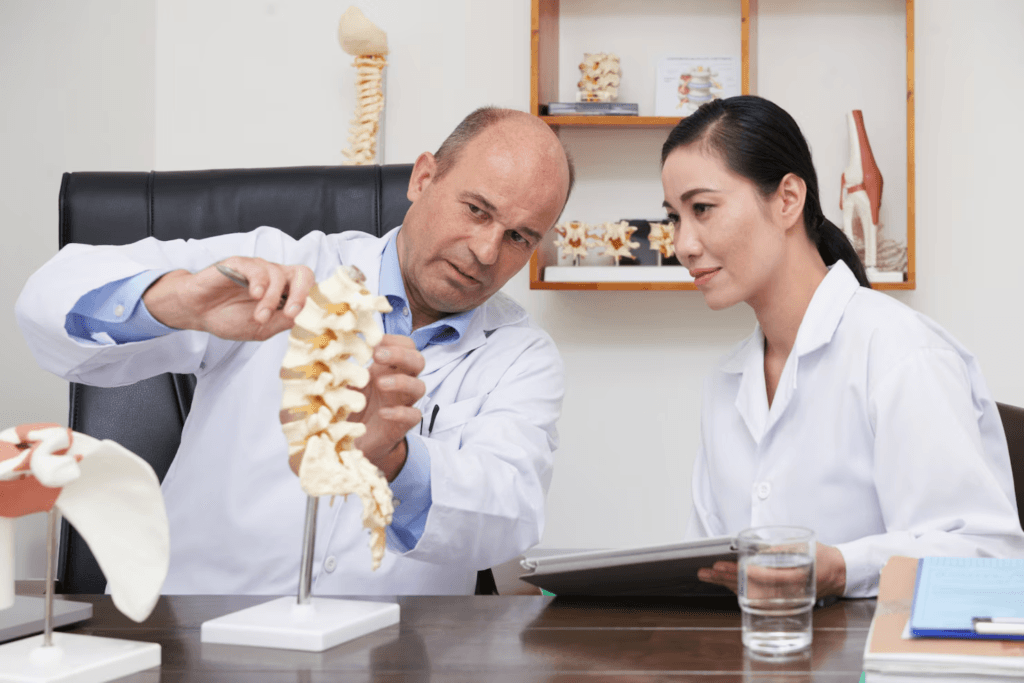
How Spinal Orthotics Work
The spine plays a critical role in supporting body weight, enabling movement, and protecting the nervous system. When spinal alignment is compromised, it can lead to pain, muscle imbalance, and nerve irritation.
Spinal orthotics provide controlled support, helping the spine maintain a healthier position.
Key Functions
- Stabilize the spine during movement
- Improve posture and alignment
- Reduce pressure on discs and nerves
- Support weakened muscles
- Promote proper body mechanics
By improving alignment and stability, spinal orthotics can reduce strain and enhance mobility.
Types of Spinal Orthotics
Different types of orthotics are designed to target specific areas of the spine.
1. Lumbar Orthotics
Support the lower back and help maintain its natural curve.
Commonly used for:
- Lower back pain
- Herniated discs
- Sciatica
- Lumbar strain
2. Thoracic Orthotics
Support the middle portion of the spine.
Used for:
- Poor posture
- Thoracic pain
- Spinal deformities
3. Cervical Orthotics
Provide support for the neck region.
Helpful for:
- Neck injuries
- Whiplash
- Cervical instability
- Chronic neck pain
4. Posture-Correcting Orthotics
Designed to improve overall posture by guiding the shoulders and spine into proper alignment.
Ideal for:
- Office workers
- Individuals with slouched posture
- Long sitting hours
Conditions Treated with Spinal Orthotics
Spinal orthotics are commonly used to support treatment for various conditions, including:
- Chronic back pain
- Herniated or bulging discs
- Sciatica
- Spinal instability
- Postural imbalance
- Degenerative disc disease
- Scoliosis
- Muscle or ligament injuries
They help reduce symptoms by stabilizing the spine and improving alignment.
Benefits of Spinal Orthotics
1. Improved Spinal Alignment
They help maintain proper spinal positioning, reducing stress on the body.
2. Reduced Back Pain
By relieving pressure on nerves and discs, orthotics can ease chronic discomfort.
3. Better Posture
They encourage correct posture, which is essential for long-term spinal health.
4. Support During Healing
Orthotics provide stability while injured tissues recover.
5. Reduced Muscle Fatigue
Supporting the spine decreases strain on surrounding muscles.
Spinal Orthotics for Athletes
Athletes place significant stress on their bodies, especially the spine.
Spinal orthotics can help by:
- Stabilizing the spine during activity
- Reducing injury risk
- Supporting recovery
- Improving movement mechanics
They are particularly useful for repetitive strain injuries.
Spinal Orthotics for Office Workers
Prolonged sitting and poor ergonomics are major causes of back and neck pain.
Spinal orthotics may help by:
- Supporting posture during long work hours
- Reducing strain on the lower back and neck
- Preventing posture-related issues
When combined with proper ergonomics, they can significantly improve comfort.
Custom vs Standard Spinal Orthotics
Custom Orthotics
Designed specifically for the individual’s body.
Advantages:
- Better fit and comfort
- Personalized support
- Improved effectiveness
Standard Orthotics
Pre-made devices for general use.
Limitations:
- Less precise fit
- May not address specific issues
How Long Should You Wear Spinal Orthotics?
Usage depends on the condition and treatment plan.
Patients may wear them:
- During specific activities
- For several hours daily
- Temporarily during recovery
A healthcare provider will guide proper usage to avoid overdependence.
Are Spinal Orthotics Safe?
Yes, spinal orthotics are generally safe when used correctly.
Possible Issues with Improper Use
- Muscle dependence
- Reduced muscle strength
- Discomfort from poor fit
Professional guidance is essential for safe and effective use.
Tips for Best Results
- Follow professional recommendations
- Combine with strengthening exercises
- Maintain good posture
- Ensure proper fit
These steps help maximize benefits and improve outcomes.
Why Combine Spinal Orthotics with Other Treatments?
Spinal orthotics are often part of a broader treatment approach.
Common Combinations
- regenerative injection therapy
- Physical therapy
- Postural correction programs
- Rehabilitation exercises
This integrated approach addresses both symptoms and root causes.
Final Thoughts
So, what are spinal orthotics?
They are specialized support devices designed to stabilize the spine, improve posture, and reduce strain on spinal structures. When used correctly, they can play a key role in managing pain, improving mobility, and supporting long-term spinal health.
Looking to improve your posture and spinal support? Spinal orthotics provide stability and proper alignment. They help you move more confidently and comfortably. Trust Proback for professional and personalized solutions.