


What are the side effects of the K-Laser?
K-Laser therapy has become a widely used, non-invasive treatment for managing musculoskeletal pain, soft tissue injuries and inflammation. It is commonly applied in specialist care, physiotherapy and sports medicine due to its ability to stimulate healing without medication or surgery.
A key concern for patients is:
What are the side effects of K-Laser therapy?
In clinical practice, K-Laser therapy is considered safe, well tolerated and low risk when delivered by trained professionals. Most patients experience minimal or no side effects, and any reactions are typically mild and short-lived.
This guide explains the safety profile, potential side effects, rare risks and what patients can expect during treatment.
What Is K-Laser Therapy?
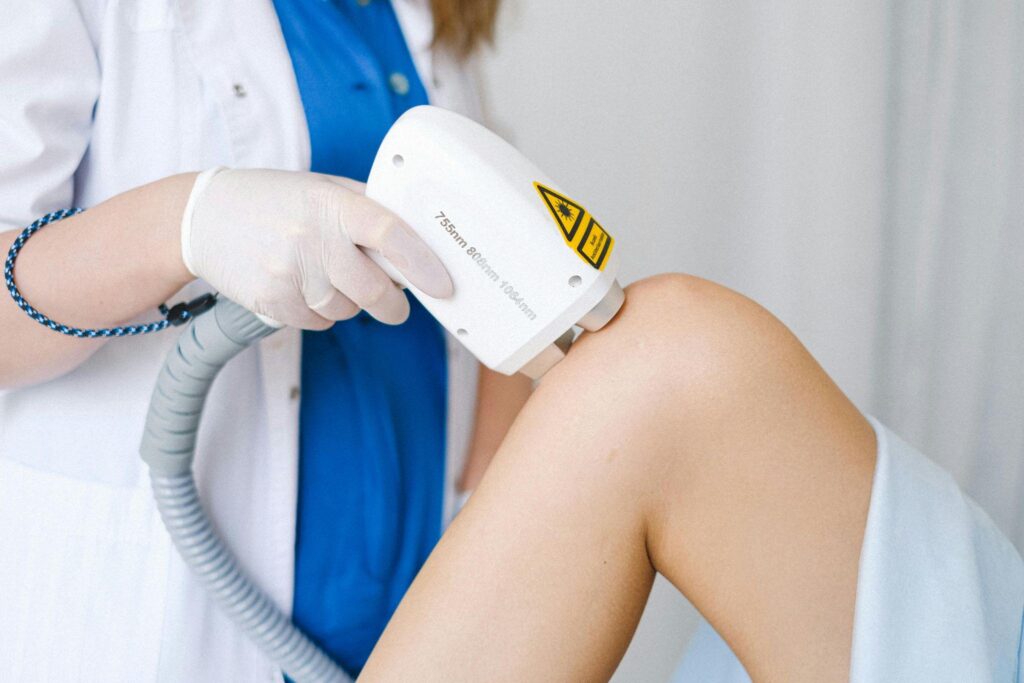
K-Laser therapy is a Class IV therapeutic laser treatment that uses targeted light energy to penetrate deep into tissues.
Unlike surgical lasers, it does not damage tissue. Instead, it stimulates biological processes that support healing and recovery.
Core Physiological Effects
- Increases cellular energy production (ATP)
- Enhances blood circulation
- Reduces inflammation
- Promotes tissue repair
- Supports natural pain relief
These mechanisms make it effective for conditions involving muscles, joints, ligaments and tendons.
Is K-Laser Therapy Safe?
K-Laser therapy has a strong safety profile and is widely used in clinical settings.
Safety Characteristics
- Non-invasive procedure
- Drug-free treatment
- No required recovery time
- Suitable for repeated use under supervision
- Minimal adverse effects reported
Most individuals can return to normal daily activities immediately after treatment.
Common Side Effects of K-Laser Therapy
Side effects are generally mild and temporary. They are often a result of increased circulation and activation of the body’s natural healing response.
1. Mild Warmth Sensation
During treatment, patients commonly feel a gentle warming sensation in the targeted area.
This occurs due to:
- Increased blood flow
- Stimulation of tissue activity
The sensation is usually comfortable and short-lived.
2. Temporary Skin Redness
Slight redness may appear in the treated area following a session.
Cause
- Enhanced circulation and oxygen delivery
Duration
- Typically resolves within a few hours
This response is a normal physiological reaction rather than a complication.
3. Mild Post-Treatment Soreness
Some patients experience mild soreness similar to that felt after exercise.
Why It Happens
- Activation of healing processes
- Relaxation of tight or inflamed muscles
- Increased tissue activity
This usually settles within 24 to 48 hours.
4. Temporary Fatigue
A small number of patients report feeling slightly tired after treatment.
Possible Reason
- The body using energy for tissue repair and regeneration
Hydration and rest typically resolve this quickly.
5. Localised Sensitivity
Occasionally, the treated area may feel slightly tender or sensitive.
This is usually temporary and improves as healing progresses.
Rare Risks and Complications
Serious complications from K-Laser therapy are extremely rare when treatment is performed correctly.
Potential risks may include:
- Minor skin irritation from excessive exposure
- Temporary discomfort in highly inflamed areas
- Eye exposure to laser light if protective measures are not followed
These risks are largely preventable with proper clinical protocols.
Who Should Avoid K-Laser Therapy?
Although suitable for most individuals, certain patients may require caution or alternative treatments.
Contraindications May Include
- Active cancer in the treatment area
- Pregnancy (particularly over the abdomen or lower back)
- Photosensitive conditions
- Use of medications that increase light sensitivity
A clinical assessment ensures the treatment is appropriate and safe.
Safety Measures in Clinical Practice
Qualified practitioners follow strict safety procedures to minimise risk.
Standard Safety Protocols
- Use of protective eyewear
- Controlled laser intensity and dosage
- Accurate targeting of treatment areas
- Monitoring patient response during sessions
These measures ensure consistent and safe delivery of therapy.
Benefits of K-Laser Therapy for Pain and Recovery
The low risk of side effects is balanced by a wide range of therapeutic benefits.
For Back Pain
- Reduces inflammation in spinal tissues
- Relaxes tight muscles
- Improves flexibility and mobility
- Supports recovery from strain and disc-related conditions
For Sports Injuries
- Accelerates soft tissue repair
- Reduces swelling and pain
- Enhances rehabilitation outcomes
- Supports faster return to activity
For Postural and Office-Related Pain
- Relieves neck and shoulder tension
- Improves circulation in sedentary individuals
- Reduces stiffness from prolonged sitting
What to Expect During Treatment
K-Laser therapy sessions are efficient and straightforward.
Treatment Overview
- Clinical assessment of symptoms and affected area
- Application of a handheld laser device
- Delivery of targeted light energy into tissues
- Session duration of approximately 5 to 15 minutes
Patient Experience
- Gentle warmth or mild tingling
- No significant discomfort
- Immediate return to daily activities
How Many Sessions Are Required?
Treatment frequency depends on the condition and severity.
Typical Protocol
- Acute conditions: 3 to 6 sessions
- Moderate conditions: 6 to 10 sessions
- Chronic conditions: 10 to 15 or more sessions
Progress is monitored and treatment adjusted accordingly.
K-Laser Therapy Compared to Other Treatments
Compared to Medication
- Addresses underlying inflammation
- Promotes healing rather than symptom masking
- Avoids long-term drug dependency
Compared to Surgery
- Non-invasive approach
- No recovery period
- Lower overall risk
Compared to Physiotherapy Alone
- Enhances tissue repair
- Accelerates reduction in inflammation
- Complements rehabilitation programmes
When to Consider K-Laser Therapy
This treatment may be appropriate for individuals experiencing:
- Chronic or recurring back pain
- Muscle strains or soft tissue injuries
- Joint inflammation or stiffness
- Sports-related injuries
- Neck or shoulder discomfort
Early intervention can improve recovery outcomes and reduce the risk of long-term complications.
Final Assessment
K-Laser therapy is a clinically safe and effective treatment with minimal side effects and a strong therapeutic profile.
Most patients experience only mild, temporary reactions such as warmth, slight redness or minor soreness. Serious risks are rare when treatment is administered by qualified professionals.
For individuals seeking a non-invasive, drug-free approach to managing pain and supporting recovery, K-Laser therapy offers a reliable and low-risk solution within modern musculoskeletal care.
Get back to your routine with advanced K-Laser therapy. Consult Proback for safe and effective treatment.