


Can spinal stenosis be reversed?
Spinal stenosis is a common condition that affects millions of adults, especially as they age. It occurs when the spaces within the spine narrow, placing pressure on the spinal cord and surrounding nerves. This compression can lead to symptoms such as back pain, numbness, tingling, and difficulty walking.
For adults with chronic back pain, athletes dealing with spine stress, and office workers who spend long hours sitting, spinal stenosis can significantly impact daily life.
One of the most common questions patients ask is:
Can spinal stenosis be reversed?
The short answer is that spinal stenosis usually cannot be completely reversed, especially when it is caused by age-related degeneration. However, the symptoms can often be managed and significantly improved with the right treatment strategies.
In many cases, conservative treatments—including spinal orthotics, specialist care, rehabilitation exercises, and lifestyle adjustments—can help relieve pressure on the spine and restore mobility.
In this article, we’ll explore:
- What spinal stenosis is
- Whether spinal stenosis can be reversed
- Symptoms and causes
- Treatment options
- How spinal orthotics can help
- Ways to manage spinal stenosis naturally
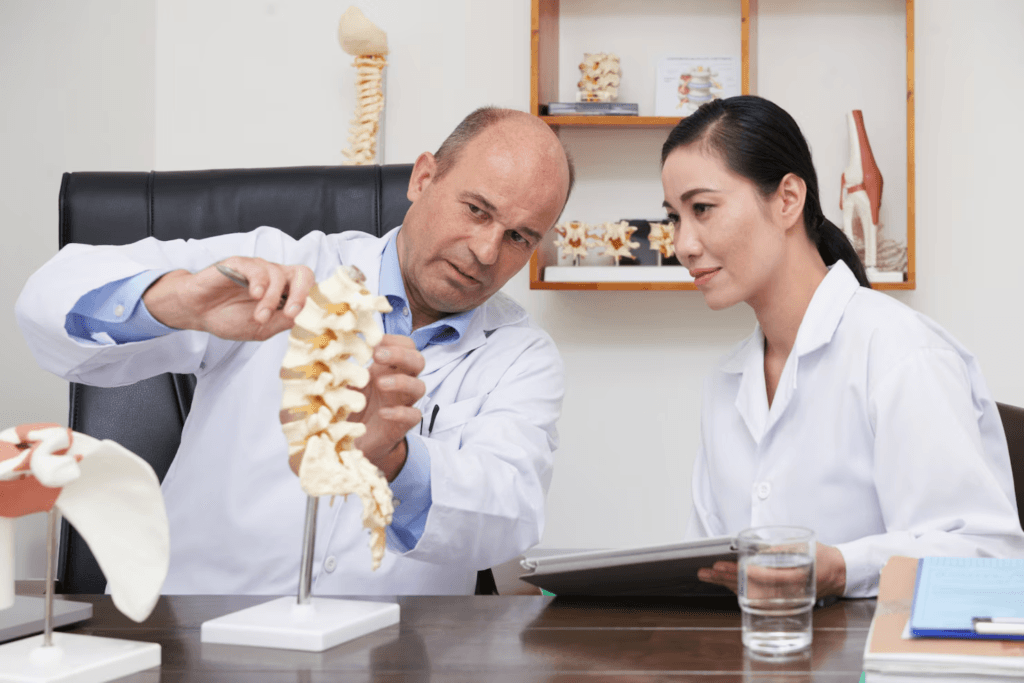
What Is Spinal Stenosis?
Spinal stenosis occurs when the spinal canal narrows, reducing the space available for the spinal cord and nerves.
This narrowing may happen in different parts of the spine, but the most common areas include:
- Lumbar spine (lower back)
- Cervical spine (neck)
When the spinal canal becomes narrow, nerves can become compressed, leading to pain and neurological symptoms.
Common Symptoms of Spinal Stenosis
Symptoms can vary depending on the location and severity of the condition.
Typical symptoms include:
- Chronic lower back pain
- Neck pain
- Numbness or tingling in arms or legs
- Weakness in the limbs
- Difficulty walking or standing for long periods
- Sciatica-like pain
- Loss of balance
Symptoms often worsen during standing or walking and improve when sitting or leaning forward.
Can Spinal Stenosis Be Reversed?
In most cases, spinal stenosis cannot be fully reversed, particularly when it results from long-term degenerative changes in the spine.
These changes may include:
- Degenerative disc disease
- Thickened ligaments
- Bone spurs
- Arthritis of spinal joints
- Disc bulging
Because these structural changes develop over time, reversing them completely is typically not possible.
However, the good news is that many people can reduce symptoms and improve mobility without surgery.
Treatment focuses on:
- Reducing nerve pressure
- Improving spinal alignment
- Strengthening supportive muscles
- Increasing flexibility
- Supporting the spine with spinal orthotics
With proper care, many patients experience significant pain relief and improved quality of life.
What Causes Spinal Stenosis?
Several factors can contribute to the development of spinal stenosis.
Age-Related Degeneration
The most common cause is natural wear and tear of the spine that occurs with aging.
Over time, spinal structures may thicken or shift, narrowing the spinal canal.
Herniated or Bulging Discs
Spinal discs act as cushions between vertebrae. When these discs bulge or herniate, they can press on nearby nerves.
Bone Spurs
Arthritis in the spine may lead to the formation of bone spurs, which can reduce the space inside the spinal canal.
Thickened Ligaments
Spinal ligaments may become thicker and stiffer over time, contributing to nerve compression.
Poor Posture
Long hours of sitting—especially for office workers—can place additional strain on the spine and worsen symptoms.
How Spinal Orthotics Can Help Spinal Stenosis
Spinal orthotics are specialized supportive devices designed to improve spinal alignment and reduce stress on the spine.
They are commonly used as part of a comprehensive treatment plan for spinal conditions.
What Are Spinal Orthotics?
Spinal orthotics are custom-designed braces or support devices that help stabilize the spine and improve posture.
They may be recommended for patients experiencing:
- Chronic back pain
- Spinal instability
- Degenerative spinal conditions
- Postural problems
- Spinal stenosis
Benefits of Spinal Orthotics
Spinal orthotics can help patients with spinal stenosis in several ways.
- Improved Spinal Alignment
Proper alignment reduces pressure on the spinal canal and surrounding nerves.
- Reduced Mechanical Stress
Orthotics help distribute weight more evenly across the spine, reducing strain on affected areas.
- Better Posture
Many patients develop poor posture from prolonged sitting or repetitive activities.
Spinal orthotics help retrain proper posture.
- Increased Stability
Additional support can improve stability during movement, making daily activities easier and less painful.
- Pain Relief
By reducing nerve pressure, spinal orthotics may help decrease symptoms such as:
- Back pain
- Sciatica
- Muscle tension
Non-Surgical Treatments for Spinal Stenosis
Many patients can successfully manage spinal stenosis without surgery.
Common conservative treatments include:
Specialist Care
regenerative injection therapy help restore spinal mobility and alignment, reducing nerve irritation.
Physical Therapy
Targeted exercises strengthen muscles that support the spine.
Spinal Orthotics
Supportive devices improve posture and reduce mechanical strain.
Stretching and Mobility Exercises
Regular stretching helps maintain flexibility and reduce stiffness.
Lifestyle Modifications
Weight management, posture correction, and ergonomic improvements can significantly reduce symptoms.
Exercises That May Help Spinal Stenosis
Certain exercises can help relieve pressure on the spine and improve mobility.
Examples include:
- Knee-to-chest stretches
- Pelvic tilts
- Core strengthening exercises
- Gentle walking
- Hip mobility exercises
These exercises help strengthen muscles that stabilize the spine.
However, it is important to follow professional guidance when performing rehabilitation exercises.
When Surgery May Be Needed
In severe cases, spinal stenosis surgery may be recommended.
Surgery may be considered if patients experience:
- Severe nerve compression
- Progressive weakness
- Loss of bladder or bowel control
- Persistent pain that does not improve with conservative treatment
Procedures such as decompression surgery or laminectomy can help relieve pressure on the spinal cord.
However, surgery is typically considered only after non-surgical treatments have been explored.
Tips for Managing Spinal Stenosis
Living with spinal stenosis can be challenging, but several strategies can help reduce symptoms.
Maintain Good Posture
Keeping the spine aligned reduces unnecessary stress.
Stay Physically Active
Regular movement helps maintain flexibility and muscle strength.
Avoid Prolonged Sitting
Take frequent breaks if you work at a desk.
Use Ergonomic Workstations
Proper chair height, screen positioning, and keyboard placement can reduce spinal strain.
Follow a Professional Treatment Plan
Working with a chiropractor or spine specialist can help ensure safe and effective care.
When to See a Chiropractor
If you experience symptoms such as:
- Chronic back pain
- Sciatica
- Numbness in legs or arms
- Difficulty walking
- Reduced spinal mobility
you should seek professional evaluation.
Early treatment can prevent spinal stenosis symptoms from worsening.
Final Thoughts
While spinal stenosis usually cannot be completely reversed, its symptoms can often be successfully managed with conservative treatments.
Approaches such as spinal orthotics, specialist care, rehabilitation exercises, and posture correction can help relieve pressure on nerves and improve daily function.
Many patients experience meaningful improvement without surgery when they follow a comprehensive treatment plan.
Spinal orthotics are designed to support and stabilize your spine. They enhance mobility and reduce unnecessary stress. Visit Proback to get started today.