


How Successful Is Hydrodissection?
Chronic nerve pain, restricted movement, and musculoskeletal discomfort can significantly impact daily life. Conditions caused by nerve compression, scar tissue, or repetitive strain often require targeted treatment to address the root cause rather than just masking symptoms.
One increasingly popular solution is hydrodissection, a minimally invasive procedure designed to release trapped nerves and restore normal function.
So, how successful is hydrodissection?
For many patients, hydrodissection delivers high success rates, particularly when used to treat nerve entrapment and compression. When performed correctly and combined with proper rehabilitation, it can lead to meaningful pain relief and improved mobility.
What Is Hydrodissection?
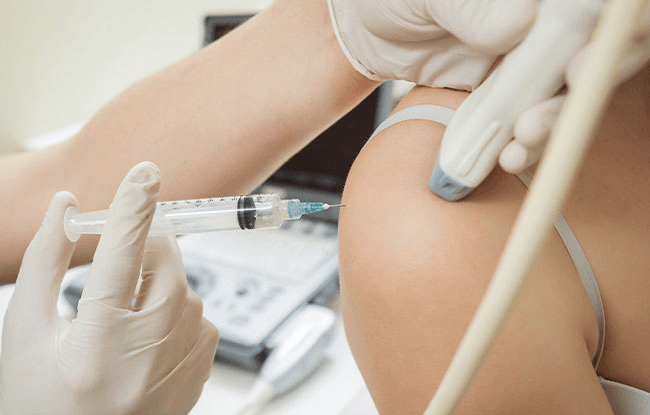
Hydrodissection is an ultrasound-guided injection technique used to separate nerves from surrounding tissues.
A sterile fluid solution is injected around the affected nerve, creating space and allowing the nerve to move freely again.
Key Goals
- Release compressed or trapped nerves
- Break down adhesions and scar tissue
- Improve nerve mobility
- Reduce inflammation
- Restore normal nerve function
How Successful Is Hydrodissection?
Hydrodissection has shown strong clinical outcomes for many nerve-related conditions.
General Success Overview
- Many patients experience noticeable symptom relief
- Some report improvement after just one session
- Others benefit from multiple treatments
- Results are often long-lasting, especially when underlying causes are addressed
While exact success rates vary by condition, hydrodissection is widely considered an effective treatment for nerve entrapment syndromes.
Success Rates by Condition
Hydrodissection is commonly used for a range of nerve compression issues.
Conditions That Often Respond Well
- Carpal tunnel syndrome
- Sciatic nerve pain
- Peripheral nerve entrapment
- Chronic neck pain
- Lower back nerve irritation
- Shoulder nerve compression
Patients with these conditions frequently report:
- Reduced pain
- Improved mobility
- Better nerve function
Why Hydrodissection Is Effective
1. Targets the Root Cause
Unlike medications that only reduce symptoms, hydrodissection directly addresses nerve compression.
2. Restores Nerve Movement
Healthy nerves need to glide smoothly through tissues. Hydrodissection restores this movement.
3. Reduces Mechanical Pressure
By creating space around the nerve, the procedure relieves pressure and irritation.
Hydrodissection for Nerve Entrapment
Nerve entrapment occurs when surrounding tissues compress a nerve.
Common Symptoms
- Pain
- Tingling
- Numbness
- Weakness
- Reduced mobility
Hydrodissection releases the nerve from these restrictions, which is a major reason for its high success rate.
Hydrodissection for Chronic Pain
Chronic pain often develops when nerves remain irritated over time due to:
- Scar tissue
- Inflammation
- Muscle tightness
Hydrodissection helps restore normal nerve function, which can lead to long-term pain relief.
Factors That Affect Success
1. Accuracy of Diagnosis
Correctly identifying the affected nerve is critical. Ultrasound guidance improves precision.
2. Severity of the Condition
- Mild to moderate cases respond better
- Severe structural issues may require additional treatment
3. Duration of Symptoms
Earlier treatment generally leads to better outcomes.
4. Practitioner Experience
Experienced providers using ultrasound guidance significantly improve success rates.
How Many Treatments Are Needed?
Treatment plans vary by individual.
Typical Plan
- 1 to 3 sessions
- Sessions spaced a few weeks apart
- Additional treatments if needed
Each session helps further release nerve restrictions.
How Quickly Do Results Appear?
Immediate Effects
Some patients feel relief right after treatment due to reduced pressure.
Gradual Improvement
Others notice improvement over days to weeks as healing progresses.
General Timeline
| Timeframe | Expected Outcome |
| Immediately | Reduced nerve pressure |
| 1–3 days | Mild soreness possible |
| 1–2 weeks | Pain reduction begins |
| Several weeks | Improved mobility and function |
Benefits of Hydrodissection
Hydrodissection offers several advantages over more invasive treatments.
Key Benefits
- Minimally invasive
- Precise and targeted
- Quick procedure (15–30 minutes)
- Minimal downtime
- Reduced need for surgery
Who Is a Good Candidate?
Hydrodissection may be suitable for individuals who:
- Have nerve compression or entrapment
- Experience chronic nerve pain
- Have scar tissue affecting movement
- Want to avoid surgery
- Have not responded to traditional treatments
It is commonly beneficial for athletes, desk workers, and individuals with repetitive strain injuries.
Is Hydrodissection Safe?
Yes, hydrodissection is generally safe when performed by trained professionals.
Possible Mild Side Effects
- Temporary soreness
- Mild swelling
- Slight bruising
- Temporary nerve sensitivity
These effects usually resolve within a few days.
Why Hydrodissection Is Growing in Popularity
As patients look for non-surgical pain relief options, hydrodissection has become increasingly popular due to its:
- Targeted approach
- Minimal invasiveness
- Ability to treat the root cause
- Potential for long-lasting results
Final Thoughts
So, how successful is hydrodissection?
For many patients, it is a highly effective treatment for nerve compression and chronic pain. By releasing trapped nerves and restoring normal function, hydrodissection can significantly improve quality of life.
Key Takeaways
- High success rates for nerve entrapment conditions
- Relief may occur immediately or gradually
- Multiple sessions can improve outcomes
- Best results occur when underlying causes are addressed