


What Does K-Laser Therapy Do?
K-laser therapy is becoming increasingly popular across the UK as more patients search for non-invasive treatments for pain relief, injury recovery, inflammation, and rehabilitation. From sports injury clinics and physiotherapy centres to orthopaedic rehabilitation programmes, K-laser treatment is now widely used to support faster healing without surgery or long-term medication.
But what does K-laser therapy actually do, and why are healthcare professionals recommending it for chronic pain and musculoskeletal conditions?
K-laser therapy works by delivering therapeutic laser energy deep into damaged tissues. This stimulates cellular repair, improves blood circulation, reduces inflammation, and accelerates the body’s natural healing response. Many patients use K-laser therapy to manage conditions such as arthritis, back pain, tendon injuries, joint stiffness, and sports-related muscle damage.
As modern healthcare continues shifting towards personalised and at-home support, many patients in London also combine rehabilitation treatment with mobile healthcare services. Professional providers such as Proback offer private nurse home visits, injection services, and mobile nursing appointments across London and the UK, helping patients access convenient healthcare support from home.
This guide explains everything you need to know about K-laser therapy, including:
- What K-laser therapy is
- How laser therapy works
- Benefits of K-laser treatment
- Conditions it may help treat
- Side effects and risks
- Recovery timelines
- What happens during treatment
- Frequently asked questions
- Expert insights into laser rehabilitation therapy
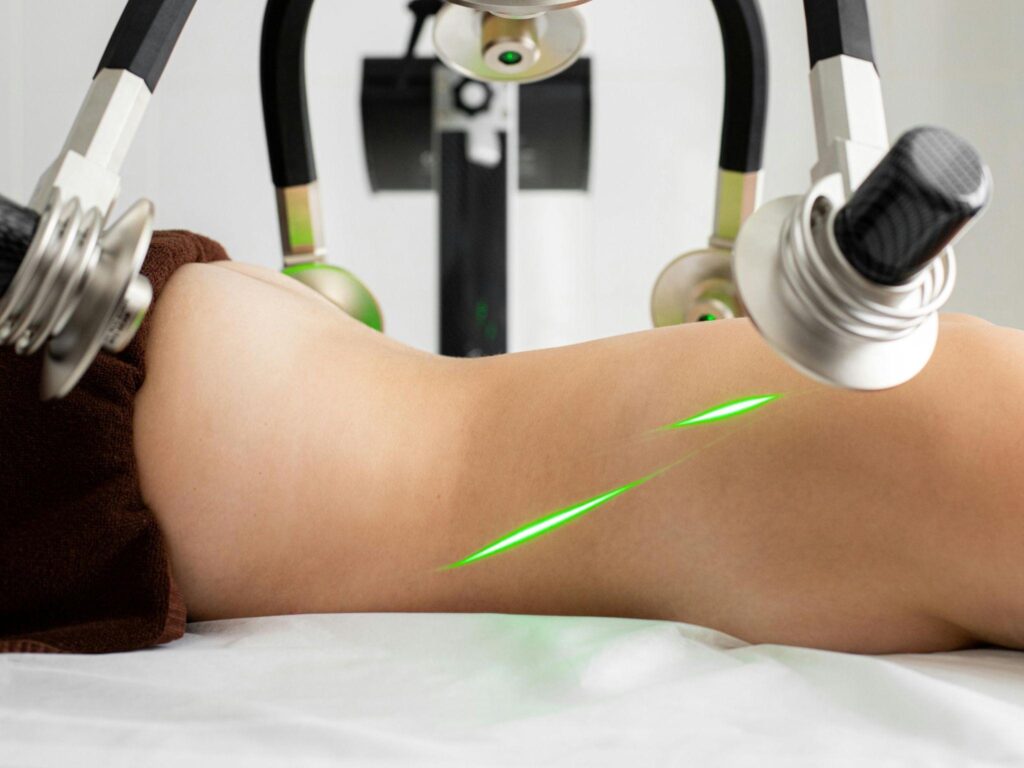
What Is K-Laser Therapy?
K-laser therapy is a non-invasive therapeutic laser treatment designed to reduce pain, inflammation, and tissue damage while promoting faster healing.
Unlike surgical lasers that cut tissue, K-laser devices use targeted light energy to stimulate biological repair processes beneath the skin. The treatment is painless, drug-free, and commonly used in physiotherapy and rehabilitation settings.
K-laser therapy is also known as:
- Class IV laser therapy
- High-intensity laser therapy
- Deep tissue laser therapy
- Photobiomodulation therapy
- Advanced cold laser therapy
The treatment uses specific wavelengths of laser light that penetrate deeply into muscles, ligaments, tendons, joints, and nerves.
Healthcare professionals across the UK increasingly recommend K-laser therapy for patients seeking alternatives to:
- Surgery
- Steroid injections
- Long-term pain medication
- Opioid treatments
- Invasive procedures
How Does K-Laser Therapy Work?
K-laser therapy works through a scientific process called photobiomodulation.
The laser emits concentrated light energy into injured or inflamed tissue. Cells absorb this energy and convert it into biochemical activity that supports healing and repair.
The laser stimulates mitochondria within cells. Mitochondria are responsible for producing ATP (adenosine triphosphate), which provides cellular energy.
When ATP production increases, the body can:
- Repair tissue more efficiently
- Reduce inflammation
- Improve circulation
- Deliver more oxygen to damaged areas
- Reduce nerve sensitivity
- Relax muscle tension
- Accelerate recovery
This makes K-laser therapy especially effective for soft tissue injuries, inflammation, and chronic pain conditions.
What Does K-Laser Therapy Do for Pain?
One of the primary reasons patients choose K-laser therapy is pain management.
K-laser treatment helps reduce pain by targeting the underlying causes rather than masking symptoms temporarily.
Reduces Inflammation
Inflammation is one of the most common causes of chronic pain. K-laser therapy helps reduce inflammatory chemicals within tissues.
This can relieve:
- Joint swelling
- Muscle irritation
- Tendon inflammation
- Nerve compression pain
Improves Blood Flow
The laser stimulates circulation, helping oxygen and nutrients reach damaged tissue more effectively.
Improved circulation may support:
- Faster healing
- Reduced swelling
- Improved tissue regeneration
Decreases Nerve Sensitivity
Laser therapy can help calm irritated nerves and reduce pain signals sent to the brain.
Patients with nerve-related pain conditions often report reduced discomfort after multiple sessions.
Accelerates Tissue Repair
K-laser therapy stimulates cellular repair and collagen production, which may speed up recovery after injury or surgery.
Conditions Commonly Treated with K-Laser Therapy
K-laser therapy is used for a wide variety of musculoskeletal and pain-related conditions.
Back Pain
Chronic lower back pain is one of the most common reasons people seek laser therapy treatment.
K-laser therapy may help reduce:
- Muscle tension
- Disc inflammation
- Sciatic nerve irritation
- Lumbar stiffness
Neck Pain
Patients with posture-related strain, cervical tension, or whiplash injuries may benefit from laser therapy.
Arthritis
Many people with osteoarthritis or inflammatory joint conditions use K-laser therapy to reduce stiffness and improve mobility.
Common treatment areas include:
- Knees
- Hips
- Hands
- Shoulders
- Spine
Sports Injuries
Athletes often use K-laser therapy because it may support faster recovery.
Common sports-related uses include:
- Hamstring strains
- ACL rehabilitation
- Muscle tears
- Sprains
- Tendon injuries
- Shin splints
Tendonitis
K-laser therapy is frequently used for inflammatory tendon conditions such as:
- Tennis elbow
- Golfer’s elbow
- Achilles tendonitis
- Rotator cuff tendonitis
Plantar Fasciitis
Patients with heel pain and foot inflammation may experience symptom relief through laser therapy.
Frozen Shoulder
Laser treatment may help reduce inflammation and improve shoulder mobility during physiotherapy rehabilitation.
Sciatica
By reducing inflammation around compressed nerves, K-laser therapy may help relieve radiating leg pain caused by sciatica.
What Happens During a K-Laser Therapy Session?
Many first-time patients are unsure what to expect during treatment.
A standard K-laser therapy session is straightforward and usually painless.
Initial Assessment
Healthcare professionals first assess:
- Medical history
- Pain location
- Injury severity
- Mobility limitations
- Treatment goals
Laser Application
The clinician places the laser device over the treatment area.
The laser emits therapeutic light energy while the practitioner moves the device slowly across the skin.
Most patients experience:
- Gentle warmth
- Mild tingling
- Relaxation in muscles
Treatment is generally comfortable and does not require anaesthesia.
Session Duration
Most sessions last between:
- 5 to 20 minutes
The exact duration depends on:
- Injury size
- Treatment area
- Severity of condition
How Many K-Laser Therapy Sessions Are Needed?
The number of sessions varies depending on the condition being treated.
Acute Injuries
Recent injuries may improve within:
- 3 to 6 sessions
Chronic Conditions
Long-term pain or arthritis may require:
- 8 to 12 sessions
- Ongoing maintenance therapy
Post-Surgical Recovery
Patients recovering from surgery often use K-laser therapy alongside physiotherapy programmes.
Treatment frequency is typically:
- 2 to 3 sessions weekly initially
Healthcare professionals usually tailor treatment plans individually.
Benefits of K-Laser Therapy
K-laser therapy offers several advantages compared with invasive treatments.
Non-Invasive Treatment
No incisions or injections are required during laser therapy sessions.
Drug-Free Pain Relief
Patients looking to reduce dependency on pain medication often explore laser therapy options.
Minimal Downtime
Most patients can return to daily activities immediately after treatment.
Faster Healing
Laser therapy may help speed up recovery from injuries and inflammation.
Improved Mobility
Reduced stiffness and inflammation can improve joint movement and physical function.
Safe for Many Patients
When performed correctly by trained professionals, K-laser therapy has a strong safety profile.
Is K-Laser Therapy Safe?
K-laser therapy is generally considered safe when administered by qualified practitioners.
However, like any medical treatment, there are certain precautions and contraindications.
Possible Side Effects
Most side effects are mild and temporary.
Some patients may experience:
- Mild redness
- Temporary soreness
- Increased sensitivity immediately after treatment
- Minor fatigue
These effects usually resolve quickly.
Who Should Avoid K-Laser Therapy?
Laser therapy may not be suitable for:
- Pregnant patients in certain treatment areas
- Individuals with active cancer in the treatment site
- Patients with photosensitive conditions
- Those taking certain light-sensitive medications
A healthcare professional should always assess suitability before treatment begins.
Can K-Laser Therapy Replace Surgery?
In some cases, K-laser therapy may help patients delay or avoid surgery by improving symptoms and function.
However, laser therapy cannot replace surgery in every situation.
Severe structural damage such as:
- Complete ligament ruptures
- Advanced joint degeneration
- Major fractures
may still require surgical intervention.
K-laser therapy is often most effective as part of a comprehensive rehabilitation strategy.
K-Laser Therapy vs Cold Laser Therapy
Many people confuse K-laser therapy with traditional cold laser therapy.
Although both use therapeutic light, K-laser systems are generally more advanced and powerful.
Key Differences
K-Laser Therapy
- Deeper tissue penetration
- Faster treatment times
- Higher intensity
- Suitable for larger treatment areas
Traditional Cold Laser Therapy
- Lower power output
- Shallower penetration
- Longer treatment duration
K-laser devices are often preferred in sports medicine and orthopaedic rehabilitation settings.
Is K-Laser Therapy Effective?
Research into photobiomodulation and laser therapy continues growing globally.
Many patients report improvements in:
- Pain levels
- Range of motion
- Recovery speed
- Functional mobility
- Muscle relaxation
Clinical outcomes often depend on:
- Condition severity
- Consistency of treatment
- Overall rehabilitation plan
- Lifestyle factors
K-laser therapy is frequently combined with:
- Physiotherapy
- Strength rehabilitation
- Stretching programmes
- Manual therapy
- Home nursing support
Private Healthcare and At-Home Rehabilitation Support in London
Patients recovering from injuries, surgery, or chronic pain conditions increasingly prefer healthcare services delivered at home.
Mobile healthcare providers now offer:
- Private nursing care
- Injection administration
- At-home rehabilitation support
- Mobility assistance
- Chronic condition management
Professional services such as Proback Private Nursing Services provide home visit nursing appointments across London and the UK.
This can be particularly beneficial for patients with:
- Reduced mobility
- Chronic pain
- Post-operative recovery needs
- Elderly care requirements
- Rehabilitation support plans
At-home healthcare services offer convenience, comfort, and continuity of care without frequent clinic visits.
Frequently Asked Questions About K-Laser Therapy
Does K-laser therapy hurt?
No. Most patients describe the treatment as painless and relaxing.
Some feel mild warmth during the session.
How quickly does K-laser therapy work?
Some patients notice improvements after one or two sessions, while chronic conditions may require several weeks of consistent treatment.
Is K-laser therapy covered by insurance in the UK?
Coverage varies depending on the insurer and healthcare policy.
Patients should check directly with their provider.
Can K-laser therapy help arthritis?
Many patients use K-laser therapy to reduce arthritis-related pain, inflammation, and stiffness.
Are there any long-term side effects?
Serious long-term side effects are rare when treatment is administered appropriately.
Can laser therapy be combined with physiotherapy?
Yes. Many rehabilitation programmes combine K-laser therapy with physiotherapy and mobility exercises.
Expert Insights on Modern Laser Rehabilitation
Healthcare professionals increasingly favour non-invasive therapies that support natural healing without excessive medication use.
K-laser therapy aligns with modern rehabilitation trends because it focuses on:
- Tissue regeneration
- Inflammation reduction
- Functional recovery
- Patient-centred treatment
As healthcare demand grows across the UK, more patients are also turning to integrated home-based support systems that combine rehabilitation with personalised nursing care.
Services like Proback London Mobile Nursing Care help bridge the gap between clinical treatment and at-home recovery by providing experienced private nursing support directly to patients.
So, what does K-laser therapy do?
K-laser therapy helps stimulate healing, reduce inflammation, improve circulation, relieve pain, and support tissue recovery using advanced therapeutic laser technology.
It is widely used across physiotherapy, sports medicine, orthopaedics, and rehabilitation clinics for conditions ranging from arthritis and back pain to sports injuries and tendon problems.
Although results vary between individuals, many patients choose K-laser therapy because it offers:
- Non-invasive treatment
- Drug-free pain management
- Faster recovery support
- Minimal downtime
- Improved mobility
When combined with physiotherapy, rehabilitation exercises, and professional at-home healthcare support, K-laser therapy may become an important part of a broader recovery strategy.
For individuals in London and across the UK seeking convenient healthcare support at home, professional mobile healthcare providers such as Proback Home Visit Nursing Services offer private nurse appointments, injection services, and personalised home care solutions tailored to patient needs.
How K-Laser Therapy Supports Sports Rehabilitation
Sports rehabilitation is one of the fastest-growing areas for K-laser therapy in the UK. Professional athletes, amateur runners, gym enthusiasts, football players, cyclists, and active adults increasingly use laser therapy to improve recovery times and reduce pain naturally.
One reason K-laser therapy is highly valued in sports medicine is its ability to target deep tissue damage without invasive treatment.
Common Sports Injuries Treated with K-Laser Therapy
Healthcare professionals frequently use K-laser therapy for:
- Muscle strains
- Ligament sprains
- Tendon inflammation
- Runner’s knee
- Shin splints
- Rotator cuff injuries
- Hamstring injuries
- Achilles tendonitis
- Tennis elbow
- Golf injuries
- Lower back strain
- Post-workout muscle fatigue
Because athletes often want to return to training quickly, non-invasive therapies that support natural healing are highly attractive.
Why Athletes Choose K-Laser Therapy
Athletes and active individuals often choose K-laser treatment because it may help:
- Reduce inflammation quickly
- Improve recovery between training sessions
- Ease muscle tightness
- Support tissue regeneration
- Increase flexibility
- Reduce swelling after injury
- Minimise downtime
Many physiotherapy clinics now integrate K-laser therapy into broader rehabilitation programmes.
K-Laser Therapy for Chronic Pain Management
Chronic pain affects millions of people across the UK. Conditions such as arthritis, fibromyalgia, sciatica, and long-term musculoskeletal pain can significantly affect quality of life.
K-laser therapy is increasingly used as part of multidisciplinary chronic pain management strategies.
Chronic Pain Conditions Commonly Treated
Osteoarthritis
Laser therapy may help reduce stiffness and discomfort in weight-bearing joints.
Fibromyalgia
Some patients report temporary relief from muscular tenderness and widespread pain symptoms.
Chronic Neck and Back Pain
Persistent spinal discomfort may respond positively to laser-assisted rehabilitation programmes.
Neuropathic Pain
Laser therapy may help reduce nerve irritation and improve circulation around affected areas.
Why Chronic Pain Patients Explore Laser Therapy
Patients living with chronic pain often seek alternatives to:
- Long-term opioid use
- Frequent steroid injections
- Surgical intervention
- Dependency on anti-inflammatory medication
K-laser therapy provides a non-surgical option that can be integrated with physiotherapy, mobility exercises, and lifestyle adjustments.
K-Laser Therapy and Physiotherapy
Modern physiotherapy increasingly combines technology-driven treatments with manual rehabilitation techniques.
K-laser therapy is commonly used alongside:
- Stretching exercises
- Manual therapy
- Strength training
- Mobility rehabilitation
- Postural correction
- Hydrotherapy
- Neuromuscular re-education
Why Physiotherapists Use K-Laser Therapy
Laser therapy may help prepare tissues for rehabilitation exercises by:
- Reducing inflammation
- Improving circulation
- Relaxing muscle tension
- Decreasing pain sensitivity
This can sometimes make physiotherapy sessions more effective and comfortable for patients.
Can K-Laser Therapy Help Older Adults?
Yes. Older adults frequently explore K-laser therapy for age-related musculoskeletal issues.
Common Reasons Older Adults Use K-Laser Therapy
- Knee arthritis
- Hip pain
- Joint stiffness
- Reduced mobility
- Degenerative disc pain
- Shoulder pain
- Tendon degeneration
Because the treatment is non-invasive and generally well tolerated, many older patients consider it a practical option alongside mobility rehabilitation.
Home-Based Recovery Support for Elderly Patients
Older adults recovering from injury or managing chronic conditions often benefit from home-based healthcare support.
Professional providers such as Proback Home Nursing London offer private nurse home visits, injection support, and personalised mobile healthcare services that can complement rehabilitation programmes.
What Makes K-Laser Therapy Different from Other Pain Treatments?
One reason K-laser therapy continues gaining attention is because it differs significantly from conventional pain management approaches.
Medication vs K-Laser Therapy
Pain medication often focuses on symptom relief.
K-laser therapy aims to support tissue healing and reduce inflammation at the source.
Surgery vs K-Laser Therapy
Surgery may involve:
- Anaesthesia
- Recovery downtime
- Infection risk
- Rehabilitation periods
K-laser therapy is non-invasive and typically allows patients to continue daily activities immediately after treatment.
Steroid Injections vs K-Laser Therapy
Steroid injections can provide temporary relief but may not address long-term tissue repair.
Laser therapy focuses more on regenerative healing support.
The Science Behind Photobiomodulation
Photobiomodulation is the scientific principle behind K-laser therapy.
The process involves light interacting with cells to trigger biological changes that improve tissue function.
Cellular Effects of Laser Therapy
Research suggests therapeutic laser energy may help:
- Increase ATP production
- Stimulate collagen synthesis
- Reduce oxidative stress
- Improve lymphatic drainage
- Enhance microcirculation
- Support tissue oxygenation
These biological effects explain why laser therapy is used across multiple rehabilitation and pain management disciplines.
What Patients Should Know Before Starting K-Laser Therapy
Patients considering K-laser treatment should always seek assessment from qualified healthcare professionals.
Important Questions to Ask
Before beginning treatment, patients may wish to ask:
- Is laser therapy suitable for my condition?
- How many sessions might I need?
- What results should I realistically expect?
- Can treatment be combined with physiotherapy?
- Are there any contraindications?
- What qualifications does the practitioner have?
Choosing experienced clinicians is important for safe and effective treatment planning.
How to Maximise Results from K-Laser Therapy
Results often improve when laser therapy is combined with healthy rehabilitation habits.
Best Practices During Recovery
Stay Consistent with Sessions
Consistency is often important for chronic or long-term conditions.
Follow Rehabilitation Advice
Physiotherapy exercises may improve long-term outcomes.
Stay Hydrated
Proper hydration supports circulation and tissue health.
Maintain Mobility
Appropriate movement may help prevent stiffness and muscle weakness.
Address Lifestyle Factors
Posture, weight management, physical activity, and sleep quality all affect recovery.
Mobile Healthcare and Recovery Support in London
The healthcare sector in London continues evolving towards more flexible patient-centred services.
Patients recovering from injury or managing chronic pain increasingly prefer care delivered at home.
Benefits of Mobile Nursing Services
Private mobile healthcare services may provide:
- Home injection appointments
- Medication administration
- Post-operative support
- Elderly care assistance
- Chronic disease management
- Mobility support
- Rehabilitation assistance
Healthcare providers such as Proback Private Mobile Nurse Appointments offer convenient home healthcare services across London and surrounding areas.
This approach can reduce travel stress for patients with mobility limitations or ongoing rehabilitation needs.
Is K-Laser Therapy Worth It?
Whether K-laser therapy is worthwhile depends on the patient’s condition, expectations, and overall treatment plan.
Many patients value K-laser therapy because it offers:
- A non-invasive approach
- Drug-free pain management
- Support for tissue healing
- Minimal treatment downtime
- Potentially faster rehabilitation
However, outcomes vary between individuals, and laser therapy should not be viewed as a guaranteed cure.
The best results often occur when K-laser therapy is integrated into a broader evidence-based rehabilitation programme.
Future of Laser Therapy in UK Healthcare
Laser therapy technology continues evolving rapidly across the healthcare sector.
Experts expect increasing adoption of therapeutic laser treatments within:
- Sports medicine
- Orthopaedics
- Physiotherapy
- Pain management
- Home healthcare services
- Rehabilitation clinics
As demand for personalised healthcare grows, patients are increasingly seeking treatments that combine convenience, safety, and minimally invasive care.
At-home healthcare services and rehabilitation support are also expected to become more integrated with modern recovery programmes throughout the UK.
Conclusion
K-laser therapy is an advanced non-invasive treatment designed to reduce pain, improve circulation, decrease inflammation, and support the body’s natural healing process.
From sports injuries and arthritis to chronic pain and rehabilitation support, K-laser therapy is now widely used across physiotherapy and healthcare settings throughout the UK.
Patients increasingly choose K-laser treatment because it may offer:
- Faster recovery support
- Reduced pain and inflammation
- Improved mobility
- Drug-free rehabilitation
- Minimal downtime
For individuals recovering at home or requiring additional clinical support, combining rehabilitation with mobile healthcare services can provide added convenience and continuity of care.
Professional providers such as Proback Private Nursing and Home Visit Services help patients across London access personalised home healthcare, private nursing appointments, injection services, and mobile support tailored to individual recovery needs.
As modern rehabilitation continues evolving, K-laser therapy is likely to remain an increasingly important part of non-invasive pain management and recovery-focused healthcare strategies in the UK.