


Does prolotherapy actually work?
Chronic pain can disrupt daily life, whether it comes from back pain, sports injuries, or long hours of poor posture. While treatments like painkillers, steroid injections, and surgery are common, they often focus on short-term relief rather than fixing the root cause.
This is why regenerative treatments like Prolotherapy are gaining attention.
But the key question remains: does prolotherapy actually work?
For many patients, the answer is yes. Prolotherapy has shown promising results in treating ligament injuries, joint instability, and chronic musculoskeletal pain by promoting natural healing.]
What Is Prolotherapy?
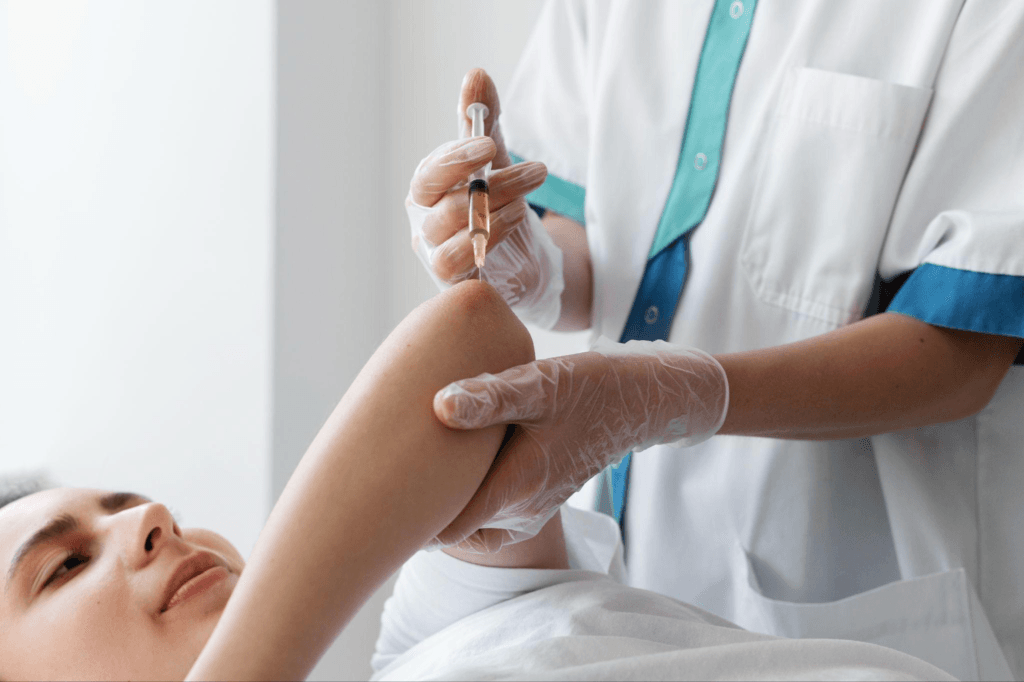
Prolotherapy, short for proliferative therapy, is a regenerative injection treatment used to repair and strengthen damaged ligaments, tendons, and joints.
It involves injecting a natural solution, typically dextrose-based, into injured tissues. This stimulates the body’s healing response, encouraging tissue repair and strengthening.
Unlike treatments that simply block pain, Prolotherapy targets the underlying cause.
How Prolotherapy Works
Prolotherapy works by triggering a controlled healing response.
When the solution is injected:
- Mild inflammation is created
- The body sends healing cells to the area
- Collagen production increases
- Damaged tissues begin to repair and strengthen
Key Effects
- Strengthens ligaments and tendons
- Improves joint stability
- Reduces chronic pain
- Enhances tissue regeneration
Over time, this leads to improved function and reduced discomfort.
Does Prolotherapy Actually Work?
Yes, prolotherapy can be effective, especially when pain is caused by ligament weakness or joint instability.
It tends to work best when:
- The condition involves connective tissue damage
- Joint instability is present
- Patients complete the recommended treatment sessions
Because it promotes healing rather than masking pain, results develop gradually but may last longer.
Conditions That Respond Well to Prolotherapy
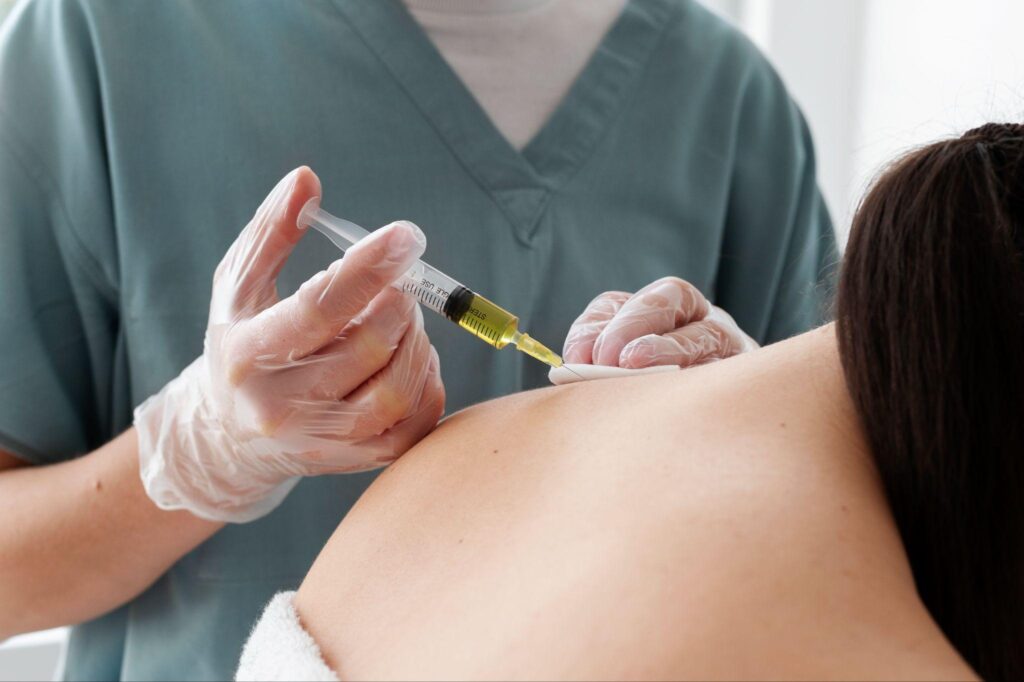
Prolotherapy is commonly used for:
- Chronic lower back pain
- Neck pain
- Knee pain
- Shoulder instability
- Hip pain
- Tendon injuries
- Ligament sprains
- Sports injuries
- Joint instability
It is especially popular among athletes and active individuals.
Prolotherapy for Back Pain
Many cases of chronic back pain are linked to weakened spinal ligaments.
When these ligaments cannot properly support the spine, it leads to instability and persistent discomfort.
Prolotherapy helps by:
- Stimulating collagen production
- Strengthening spinal ligaments
- Improving stability
- Reducing long-term pain
Scientific Evidence
Research on prolotherapy has shown encouraging results.
Studies have reported improvements in:
- Knee osteoarthritis
- Chronic low back pain
- Tendon and ligament injuries
Some clinical trials suggest that patients receiving prolotherapy experience better pain reduction and function compared to placebo treatments.
However, results can vary depending on the individual and condition severity.
How Long Does It Take to Work?
Prolotherapy is not an instant fix. It focuses on gradual healing.
Typical Timeline
| Timeframe | What to Expect |
| First few days | Mild soreness or inflammation |
| 2–4 weeks | Early pain improvement |
| 4–8 weeks | Tissue strengthening begins |
| Several months | Significant pain reduction |
Multiple sessions are usually required for optimal results.
How Many Treatments Are Needed?
Most patients need:
- 3 to 6 sessions
- Treatments spaced 3 to 4 weeks apart
Each session builds on the previous one to enhance tissue repair.
Benefits of Prolotherapy
Treats the Root Cause
Focuses on repairing damaged tissues rather than masking pain
Non-Surgical
Minimally invasive with little downtime
Natural Healing
Stimulates the body’s own repair mechanisms
Long-Term Relief
May provide lasting improvements in pain and mobility
Prolotherapy vs Steroid Injections
| Treatment | Purpose | Duration |
| Steroid injections | Reduce inflammation | Short-term |
| Pain medication | Block pain signals | Temporary |
| Prolotherapy | Repair tissues | Long-term |
Unlike steroids, prolotherapy aims to restore tissue strength.
Who Is a Good Candidate?
Prolotherapy may be suitable if you:
- Have chronic joint or ligament pain
- Experience recurring injuries
- Want to avoid surgery
- Have not responded to other treatments
It is commonly used by athletes, active adults, and office workers.
What to Expect During Treatment
Consultation
Evaluation of pain source and medical history
Injection
Solution injected into affected tissues
Duration
Typically 15 to 30 minutes
Recovery
Mild soreness for a few days, then gradual improvement
Side Effects
Prolotherapy is generally safe when performed by trained professionals.
Common Effects
- Mild swelling
- Temporary soreness
- Stiffness
- Injection site tenderness
These usually resolve within a few days.
Tips to Improve Results
To maximize effectiveness:
- Follow rehabilitation exercises
- Maintain good posture
- Eat a balanced diet
- Avoid overloading injured areas
- Stay active
Why Patients Choose Prolotherapy
Prolotherapy is appealing because it focuses on long-term healing rather than temporary relief.
It helps:
- Strengthen connective tissues
- Improve joint stability
- Restore mobility
- Reduce recurring pain
Conclusion
So, does prolotherapy actually work?
For many patients, yes. It is an effective treatment for chronic pain caused by ligament damage and joint instability. By stimulating natural healing and strengthening tissues, prolotherapy offers a long-term solution rather than a temporary fix.
While results take time, the potential for lasting pain relief and improved function makes it a valuable option for those seeking non-surgical treatment.