


What are two drawbacks of laser therapy?
K-Laser therapy is a widely used, non-invasive treatment in specialist care, physiotherapy and sports rehabilitation. It is designed to reduce pain, accelerate healing and improve mobility without the need for surgery or medication.
It is particularly popular among individuals dealing with chronic back pain, soft tissue injuries, joint inflammation and sports-related conditions.
However, before starting any treatment, it is essential to understand both the advantages and limitations.
Quick Answer: What Are the Two Main Drawbacks of K-Laser Therapy?
The two most recognised drawbacks are:
- Multiple treatment sessions are usually required
- Results can vary depending on the individual and condition
These factors do not reduce its effectiveness, but they are important when setting realistic expectations.

What Is K-Laser Therapy?
K-Laser therapy is a Class IV laser treatment that delivers targeted light energy deep into body tissues to stimulate healing at a cellular level.
Unlike surgical lasers, it does not cut or damage tissue. Instead, it activates natural biological processes that promote recovery.
How K-Laser Therapy Works
The therapy enhances several key physiological functions:
- Increased ATP production (cellular energy)
- Improved blood circulation
- Reduction in inflammation
- Stimulation of tissue repair
- Natural pain relief through nerve modulation
This makes it highly effective for musculoskeletal disorders, tendon injuries, ligament strains and chronic pain conditions.
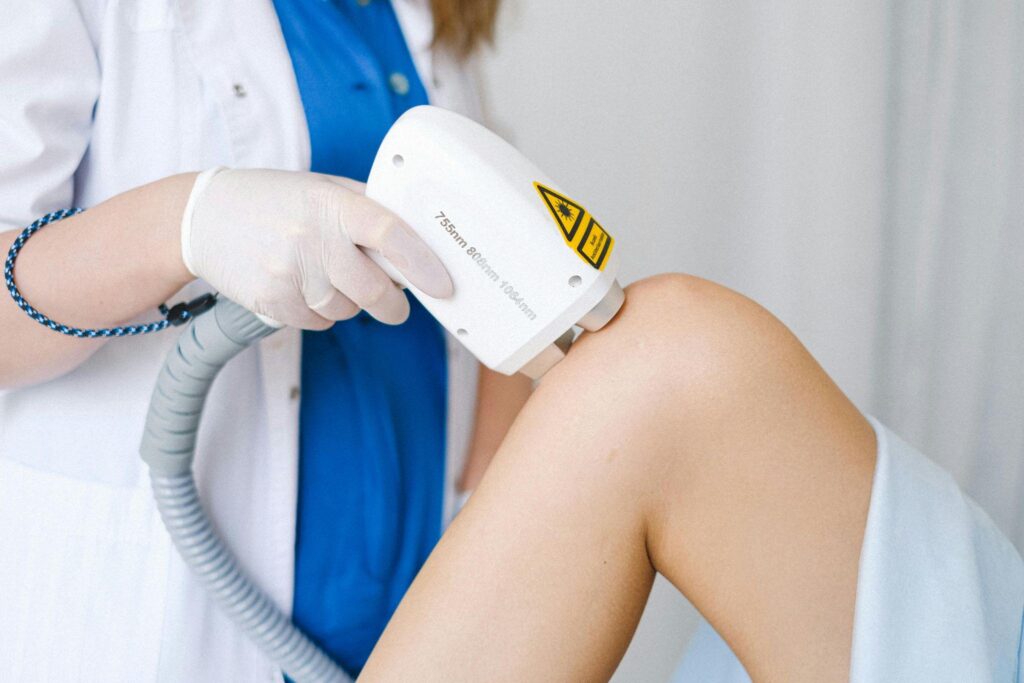
Drawback 1: Multiple Treatment Sessions Are Required
Why This Happens
K-Laser therapy works by stimulating gradual healing rather than delivering instant relief. The body needs time to respond to cellular stimulation and repair damaged tissues.
Each session builds upon the previous one, encouraging:
- Tissue regeneration
- Improved circulation
- Reduction in inflammation
- Progressive pain relief
Typical Treatment Plans
- Acute injuries: 3 to 6 sessions
- Moderate conditions: 6 to 10 sessions
- Chronic conditions: 10 to 15+ sessions
Patients with long-term conditions such as chronic lower back pain or tendinopathy often require a longer course.
SEO Insight
From a clinical perspective, this is not a weakness but a biological necessity. Unlike painkillers that mask symptoms, K-Laser therapy addresses the root cause.
Drawback 2: Results May Vary Between Patients
Why Results Differ
Not all patients respond to treatment in the same way. Outcomes depend on several factors:
- Severity of the condition
- Duration of symptoms
- Age and healing capacity
- Overall health and lifestyle
- Level of tissue damage
What Patients Should Expect
- Some individuals experience improvement within 2 to 3 sessions
- Others may need a full course before noticeable results
- Chronic or degenerative conditions often respond more slowly
Clinical Recommendation
A personalised treatment plan is essential to optimise results and ensure appropriate session frequency.
Additional Limitations to Consider
Cost of K-Laser Therapy
Because multiple sessions are required, total treatment cost can increase.
- Prices vary depending on clinic and session duration
- Treatment packages often reduce overall cost
- Costs may differ across UK regions
Despite this, many patients find it cost-effective due to reduced reliance on medication and faster recovery.
Suitability and Safety
K-Laser therapy is generally safe but may not be suitable for:
- Active cancer in the treatment area
- Photosensitive conditions
- Patients on light-sensitive medications
A professional assessment is necessary before starting treatment.
Benefits of K-Laser Therapy
Despite its limitations, K-Laser therapy offers strong clinical advantages.
Non-Invasive Pain Management
- No surgery or injections
- Minimal discomfort
- No downtime
Drug-Free Treatment
- Reduces reliance on medication
- Supports natural healing
Accelerated Healing
- Enhances cellular repair
- Speeds up recovery from injuries
Reduced Inflammation
- Improves circulation
- Decreases swelling and stiffness
K-Laser Therapy for Back Pain
Back pain is one of the most common reasons patients seek laser therapy.
Common Causes
- Poor posture
- Muscle strain
- Disc-related issues
- Sedentary lifestyle
Benefits for Back Pain
- Reduced spinal inflammation
- Muscle relaxation
- Improved flexibility and mobility
- Faster soft tissue recovery
Benefits for Athletes and Active Individuals
K-Laser therapy is widely used in sports medicine.
Common Conditions Treated
- Muscle strains
- Tendon injuries
- Ligament sprains
- Joint inflammation
Performance Benefits
- Faster recovery
- Reduced downtime
- Improved rehabilitation outcomes
Benefits for Office Workers
Sedentary work environments often lead to musculoskeletal issues.
Common Problems
- Neck stiffness
- Shoulder tension
- Lower back pain
- Repetitive strain injuries
How Laser Therapy Helps
- Relieves muscle tension
- Improves blood flow
- Supports posture correction
What to Expect During Treatment
Session Overview
- Clinical assessment of symptoms
- Application of a handheld laser device
- Delivery of targeted light energy
- Session duration of 5 to 15 minutes
Patient Experience
- Gentle warmth or tingling sensation
- Comfortable and non-invasive
- No recovery time required
How to Maximise Results
To achieve the best outcomes:
- Attend all recommended sessions
- Maintain good posture
- Stay hydrated
- Follow prescribed exercises
- Avoid overuse of injured areas
Consistency plays a crucial role in recovery.
K-Laser Therapy vs Other Treatments
Compared to Pain Medication
- Treats the underlying cause
- Provides longer-lasting relief
Compared to Surgery
- Non-invasive alternative
- No recovery downtime
Compared to Physiotherapy Alone
- Enhances tissue healing
- Reduces inflammation faster
- Complements rehabilitation
When Should You Consider K-Laser Therapy?
You may benefit from K-Laser therapy if you have:
- Chronic back pain
- Soft tissue injuries
- Joint inflammation
- Sports injuries
- Neck or shoulder discomfort
Early intervention can improve recovery outcomes significantly.
Final Verdict: Is K-Laser Therapy Worth It?
K-Laser therapy is a safe, effective and evidence-based treatment for pain relief and tissue healing.
The Two Key Drawbacks:
- Requires multiple treatment sessions
- Results vary between individuals
Overall Value:
Despite these limitations, its ability to reduce pain, accelerate healing and improve mobility without medication or surgery makes it a highly valuable option in modern musculoskeletal care.
Discover the power of K-Laser therapy for pain relief and healing.
Proback is here to guide your recovery journey.