


What is hydrodissection used for?
Chronic nerve pain, muscle tightness, and restricted movement are common problems affecting adults today. Athletes may experience nerve irritation from repetitive movements, while office workers often develop pain from prolonged sitting, poor posture, and limited mobility. When nerves become trapped or compressed by surrounding tissues, it can lead to persistent pain, numbness, and reduced function.
One innovative treatment gaining attention in regenerative medicine and pain management is Hydrodissection. This minimally invasive technique is designed to release trapped nerves and improve mobility by gently separating tissues around the affected nerve.
Many patients who suffer from chronic nerve pain ask an important question: What is hydrodissection used for?
Hydrodissection is commonly used to treat nerve entrapment, chronic musculoskeletal pain, and soft tissue adhesions. By restoring normal nerve movement and reducing pressure on surrounding tissues, the treatment can help reduce pain and improve function.
In this comprehensive guide, we will explain how hydrodissection works, the conditions it treats, its benefits, and what patients can expect during treatment.
What Is Hydrodissection?
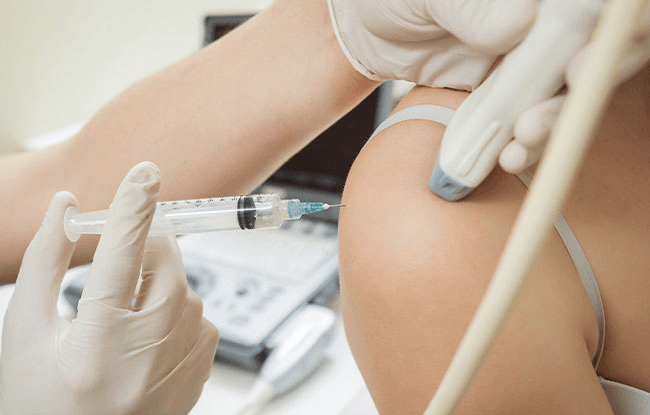
Hydrodissection is a minimally invasive medical procedure that involves injecting fluid around a nerve to separate it from surrounding tissues.
The injected solution creates a fluid barrier that gently releases the nerve from adhesions, scar tissue, or compressed structures.
This technique helps restore normal nerve movement and reduce irritation.
Hydrodissection is commonly performed using ultrasound guidance to ensure precise placement of the injection.
How Hydrodissection Works
The main goal of Hydrodissection is to relieve pressure on nerves by separating them from surrounding tissues.
During the procedure, a healthcare professional injects a specialized fluid solution around the affected nerve. The fluid spreads through the surrounding tissue layers, gently separating the nerve from structures that may be compressing or restricting it.
Key Effects of Hydrodissection
- Releases trapped or compressed nerves
- Breaks up scar tissue and adhesions
- Improves nerve mobility
- Reduces inflammation and irritation
- Restores normal function
By relieving pressure on the nerve, the procedure can significantly reduce pain and improve movement.
Conditions Treated with Hydrodissection
Hydrodissection is widely used to treat nerve-related pain and musculoskeletal conditions.
Common Conditions Treated
- Carpal tunnel syndrome
- Sciatica nerve pain
- Chronic neck pain
- Lower back pain
- Nerve entrapment syndromes
- Peripheral nerve injuries
- Adhesions around nerves
- Shoulder nerve compression
- Post-surgical nerve pain
This treatment is especially helpful when nerves become trapped in surrounding fascia, muscles, or scar tissue.
Hydrodissection for Nerve Entrapment
Nerve entrapment occurs when a nerve becomes compressed or stuck between surrounding tissues. This compression can interfere with nerve signals and cause symptoms such as pain, tingling, numbness, or weakness.
Hydrodissection works by separating the nerve from surrounding structures, allowing it to move freely again.
Common Symptoms of Nerve Entrapment
- Burning or shooting pain
- Tingling sensations
- Numbness
- Muscle weakness
- Limited range of motion
Relieving the pressure on the nerve often helps restore normal nerve function.
Hydrodissection for Chronic Pain
Many cases of chronic musculoskeletal pain are caused by irritated or compressed nerves.
When nerves cannot glide smoothly through surrounding tissues, they may become inflamed and painful.
Hydrodissection can help by restoring normal nerve movement and reducing irritation.
This approach is often used in combination with other regenerative treatments to support long-term healing.
Hydrodissection for Sports Injuries
Athletes frequently experience nerve irritation due to repetitive movements, muscle strain, and physical stress.
Injuries such as muscle tears or scar tissue formation can trap nearby nerves and cause ongoing discomfort.
Hydrodissection can help athletes recover by releasing nerve compression and improving mobility.
This treatment may help athletes:
- Reduce pain
- Improve flexibility
- Restore nerve function
- Return to activity faster
Hydrodissection for Office Workers
Office workers who spend long hours sitting or working at a computer often develop nerve-related pain in the neck, shoulders, and lower back.
Poor posture and repetitive movements can lead to nerve compression and muscle tension.
Hydrodissection may help relieve these symptoms by reducing nerve irritation and restoring normal movement patterns.
Benefits of Hydrodissection
Many patients choose Hydrodissection because it provides several advantages compared to traditional treatments.
1. Minimally Invasive Treatment
The procedure involves a small injection and does not require surgery.
Patients can usually return to normal activities soon after treatment.
2. Targeted Nerve Relief
Hydrodissection directly addresses nerve compression, which is often the root cause of chronic pain.
3. Improved Mobility
By releasing trapped nerves, the treatment helps restore natural movement.
4. Reduced Inflammation
The injection solution may contain substances that help calm irritated nerves and tissues.
5. Quick Procedure
The treatment typically takes 15 to 30 minutes, making it convenient for patients with busy schedules.
What Happens During a Hydrodissection Procedure?
Understanding the treatment process can help patients feel more comfortable before undergoing hydrodissection.
Step 1: Medical Evaluation
The healthcare provider evaluates the patient’s symptoms and identifies the affected nerve.
Ultrasound imaging may be used to locate the nerve and surrounding tissues.
Step 2: Injection Preparation
The treatment area is cleaned and prepared for the procedure.
A local anesthetic may be used to minimize discomfort.
Step 3: Hydrodissection Injection
A small needle is inserted near the affected nerve, and the fluid solution is injected.
The fluid spreads through the tissues, gently separating the nerve from surrounding structures.
Step 4: Recovery
Patients usually experience minimal downtime and can return to normal activities shortly after the procedure.
Is Hydrodissection Painful?
Most patients report that hydrodissection causes minimal discomfort.
The injection may feel similar to other medical injections, with a brief pinching sensation.
Some patients experience mild soreness or pressure in the treated area after the procedure.
These symptoms typically resolve within a few days.
How Long Does It Take to See Results?
Many patients experience relief shortly after the procedure, especially if nerve compression was the primary cause of pain.
However, healing times can vary.
Typical Recovery Timeline
| Time After Treatment | Expected Results |
| Immediately after | Reduced pressure on the nerve |
| 1 to 3 days | Mild soreness may occur |
| 1 to 2 weeks | Gradual improvement in pain and mobility |
| Several weeks | Continued healing and nerve recovery |
In some cases, multiple sessions may be recommended.
How Many Hydrodissection Treatments Are Needed?
The number of treatments depends on the severity of the nerve compression.
Typical Treatment Plan
- 1 to 3 treatment sessions
- Sessions spaced several weeks apart
- Follow-up treatments if symptoms persist
Your healthcare provider will determine the best treatment schedule.
Safety of Hydrodissection
When performed by trained professionals, Hydrodissection is considered a safe and effective treatment.
Ultrasound guidance improves accuracy and reduces the risk of complications.
Possible Mild Side Effects
Patients may experience:
- Temporary soreness
- Mild swelling
- Slight tenderness at the injection site
These symptoms usually resolve quickly.
Serious complications are rare.
Who Is a Good Candidate for Hydrodissection?
Hydrodissection may be recommended for individuals who:
- Have nerve compression or entrapment
- Experience chronic nerve pain
- Have scar tissue affecting nerve movement
- Want to avoid surgery
- Have not found relief from traditional treatments
Athletes, office workers, and individuals with chronic musculoskeletal pain often benefit from this therapy.
Why Many Patients Choose Hydrodissection
Hydrodissection is becoming increasingly popular because it targets the root cause of nerve pain rather than simply masking symptoms.
By releasing trapped nerves and restoring normal movement, the treatment helps improve both pain and function.
For patients seeking a minimally invasive solution for nerve-related pain, hydrodissection can provide significant relief.
Why Choose Proback for Hydrodissection Treatment
If you are experiencing chronic nerve pain or mobility problems, professional care can help you recover safely and effectively.
At Proback, advanced chiropractic and regenerative therapies are used to treat the underlying causes of musculoskeletal pain. Personalized treatment plans focus on improving spinal health, restoring nerve function, and helping patients return to their daily activities.
Patients benefit from modern treatment approaches that help:
- Reduce chronic pain
- Improve nerve mobility
- Restore joint and spinal function
- Support natural healing
Expert care ensures that every patient receives the most appropriate treatment for their condition.
Conclusion
So, what is hydrodissection used for?
Hydrodissection is a minimally invasive treatment designed to release trapped or compressed nerves by separating them from surrounding tissues. This technique is commonly used to treat nerve entrapment, chronic musculoskeletal pain, and mobility limitations.
By restoring normal nerve movement and reducing pressure on irritated nerves, hydrodissection can help improve pain, mobility, and overall quality of life.
For individuals suffering from nerve-related pain or restricted movement, hydrodissection offers a promising alternative to more invasive treatments.
Looking for a precise and modern treatment approach? Hydrodissection helps release tight tissues and improve movement. It supports better function with a minimally invasive technique. Consult Proback for expert-guided care.