


Which is better, PRP or prolotherapy?
Chronic musculoskeletal pain affects millions of adults, including athletes, active individuals, and office workers who spend long hours sitting. Conditions such as ligament injuries, joint instability, chronic back pain, and tendon damage can significantly limit mobility and reduce quality of life.
Traditional treatments like pain medications, steroid injections, or surgery are commonly used, but they may not always address the underlying cause of the problem. As a result, many patients are exploring regenerative medicine treatments that focus on natural healing.
Two popular regenerative therapies are Prolotherapy and Platelet-Rich Plasma (PRP) therapy. Both treatments are designed to stimulate the body’s natural repair mechanisms, but they work in different ways.
One of the most common questions patients ask is: Which is better, PRP or prolotherapy?
The answer depends on several factors, including the type of injury, the severity of tissue damage, the patient’s overall health, and treatment goals. In this detailed guide, we will explore how Prolotherapy and PRP work, their benefits, differences, and which treatment may be more suitable for certain conditions.
What Is Prolotherapy?
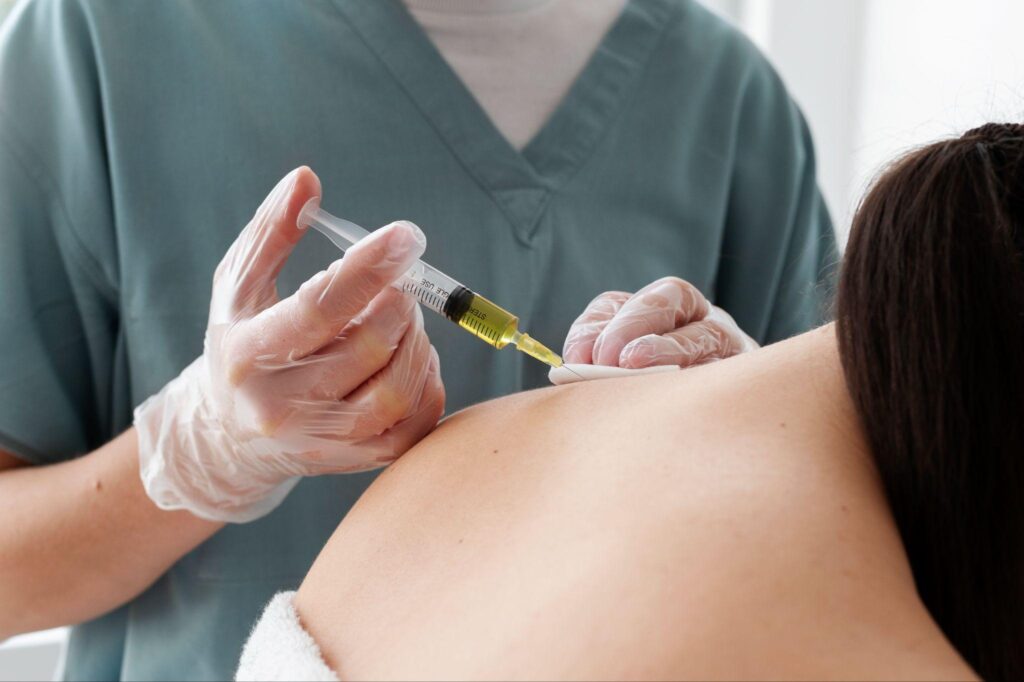
Prolotherapy (short for proliferative therapy) is a regenerative injection treatment used to repair damaged ligaments, tendons, and joints.
The treatment involves injecting a natural irritant solution, usually a dextrose-based solution, into weakened connective tissues. This solution triggers a controlled inflammatory response, which stimulates the body’s healing process.
As the body responds to the injection, it begins producing collagen and other healing factors that strengthen the injured tissue.
How Prolotherapy Works
The goal of Prolotherapy is to stimulate tissue repair and improve joint stability.
When the prolotherapy solution is injected into damaged ligaments or tendons, the body reacts by increasing blood flow and activating healing cells.
Key Effects of Prolotherapy
- Stimulates collagen production
- Strengthens ligaments and tendons
- Improves joint stability
- Reduces chronic pain
- Supports long-term tissue repair
Over time, this healing response can restore proper function to the affected joint or tissue.
What Is PRP Therapy?
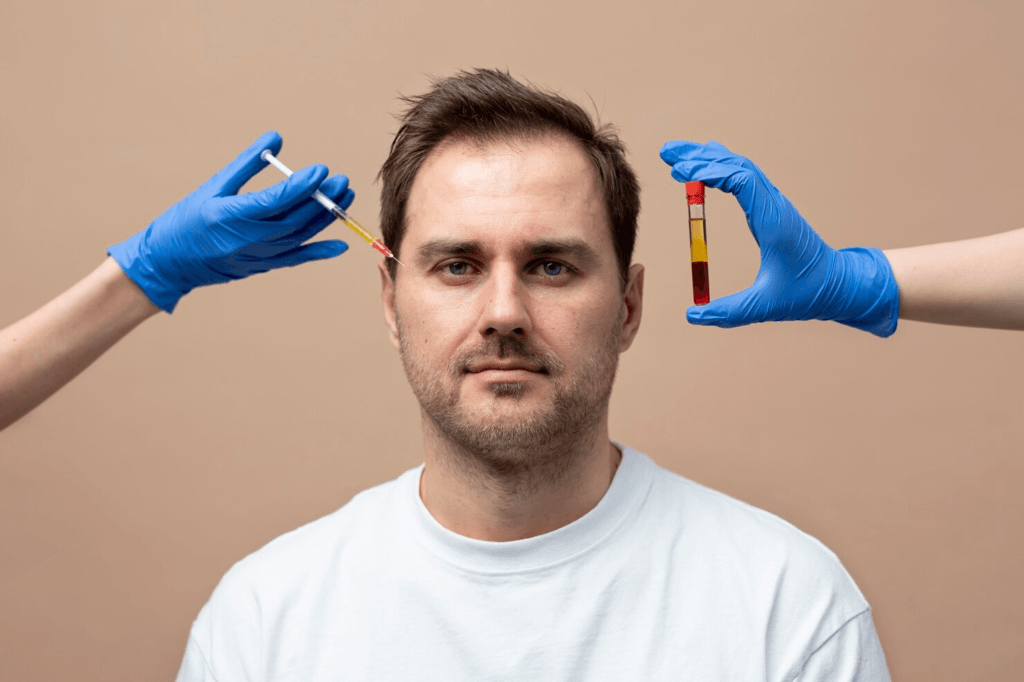
Platelet-Rich Plasma (PRP) therapy is another regenerative treatment that uses the patient’s own blood to promote healing.
In this procedure, a small sample of blood is drawn and placed in a centrifuge. The centrifuge separates the blood components, concentrating the platelets.
These platelets contain growth factors that help repair damaged tissues. The concentrated PRP solution is then injected into the injured area.
How PRP Therapy Works
PRP therapy relies on growth factors found in platelets to accelerate tissue repair.
Healing Components in PRP
- Platelets rich in growth factors
- Healing proteins
- Cytokines that stimulate tissue repair
Once injected, PRP stimulates the body’s regenerative processes and encourages damaged tissues to heal.
PRP therapy is commonly used in sports medicine and orthopedic treatments.
Key Differences Between PRP and Prolotherapy
Although both treatments promote healing, they use different mechanisms to stimulate tissue repair.
| Feature | Prolotherapy | PRP Therapy |
| Main substance | Dextrose-based solution | Platelets from patient’s blood |
| Healing mechanism | Controlled inflammation stimulates repair | Growth factors accelerate healing |
| Preparation | Ready-to-use injection solution | Requires blood draw and centrifuge |
| Treatment complexity | Relatively simple procedure | More preparation required |
| Cost | Typically more affordable | Usually more expensive |
| Healing approach | Stimulates body’s natural inflammatory repair response | Uses concentrated growth factors |
Both treatments aim to strengthen damaged tissues and reduce chronic pain.
Which Treatment Works Faster?
Patients often want to know which therapy will provide quicker results.
Prolotherapy Results
Many patients begin to notice improvement within a few weeks as collagen production increases and tissues strengthen.
However, since the treatment stimulates gradual tissue repair, results may develop slowly over several sessions.
PRP Therapy Results
PRP therapy can sometimes produce faster tissue healing because of the concentrated growth factors in platelets.
However, noticeable improvement may still take several weeks to a few months, depending on the injury.
Conditions Treated with Prolotherapy
Prolotherapy is commonly used to treat conditions related to ligament weakness and joint instability.
Common Conditions Treated
- Chronic lower back pain
- Neck pain
- Knee pain
- Shoulder instability
- Hip pain
- Ligament sprains
- Tendon injuries
- Sports injuries
- Joint instability
Because ligaments play a crucial role in joint stability, strengthening them can reduce chronic pain.
Conditions Treated with PRP
PRP therapy is often recommended for soft tissue injuries and degenerative conditions.
Common Uses of PRP
- Tendon injuries such as tennis elbow
- Rotator cuff injuries
- Muscle tears
- Knee osteoarthritis
- Ligament injuries
- Sports-related injuries
PRP therapy is widely used by athletes because of its ability to stimulate tissue regeneration.
Which Treatment Lasts Longer?
The duration of results depends on the condition being treated and the patient’s response to therapy.
Prolotherapy
Prolotherapy can provide long-term pain relief by strengthening ligaments and stabilizing joints. Once the tissues heal, many patients experience lasting improvement.
PRP Therapy
PRP therapy also promotes long-term healing by stimulating tissue regeneration through growth factors.
Both treatments may require multiple sessions for optimal results.
Benefits of Prolotherapy
Many patients choose Prolotherapy because it offers several important advantages.
1. Strengthens Ligaments and Connective Tissues
The therapy stimulates collagen production, helping repair damaged structures.
2. Non-Surgical Treatment
Prolotherapy is minimally invasive and does not require surgery.
3. Long-Term Pain Relief
By addressing ligament weakness, the treatment can provide lasting results.
4. Cost-Effective Option
Compared to some regenerative treatments, Prolotherapy is often more affordable.
Benefits of PRP Therapy
PRP therapy also offers several advantages.
1. Uses Natural Healing Factors
PRP is derived from the patient’s own blood, reducing the risk of allergic reactions.
2. High Concentration of Growth Factors
Platelets release growth factors that help accelerate tissue repair.
3. Widely Used in Sports Medicine
Professional athletes often use PRP therapy to recover from injuries.
Factors That Determine the Best Treatment
Choosing between PRP and Prolotherapy depends on several factors.
1. Type of Injury
Certain injuries respond better to specific regenerative treatments.
2. Severity of Tissue Damage
More severe injuries may benefit from advanced regenerative therapies.
3. Treatment Goals
Some patients prefer a treatment focused on ligament strengthening, while others seek accelerated tissue repair.
4. Medical History
Existing health conditions may influence the most appropriate therapy.
Who Is a Good Candidate for Prolotherapy?
Prolotherapy may be ideal for individuals who:
- Have chronic joint or ligament pain
- Experience recurring sports injuries
- Want to avoid surgery
- Have pain caused by ligament instability
- Have not responded to conventional treatments
Athletes, active adults, and office workers with posture-related pain can benefit from this therapy.
What to Expect During Treatment
Both PRP and Prolotherapy involve injection-based procedures performed in a clinical setting.
General Treatment Process
- Medical evaluation and diagnosis
- Preparation of the injection solution
- Injection into the affected joint or tissue
- Short recovery period
The entire procedure usually takes 15 to 45 minutes, depending on the treatment.
Possible Side Effects
Both treatments are considered safe when performed by experienced professionals.
Common Mild Side Effects
Patients may experience:
- Temporary soreness
- Mild swelling
- Tenderness at the injection site
- Temporary stiffness
These symptoms usually resolve within a few days.
Serious complications are rare.
Why Many Patients Choose Prolotherapy
For individuals seeking a natural approach to healing chronic musculoskeletal pain, Prolotherapy provides a reliable option.
By stimulating collagen production and strengthening ligaments, the therapy helps restore joint stability and improve long-term mobility.
For people suffering from recurring injuries or chronic joint instability, Prolotherapy can be an effective non-surgical solution.
Why Choose Proback for Prolotherapy Treatment
If you are experiencing chronic pain or joint instability, professional care is essential for achieving the best results.
At Proback, advanced regenerative therapies are used to treat the root cause of musculoskeletal pain. Personalized treatment plans are designed to help patients regain mobility, reduce discomfort, and support long-term healing.
The clinic focuses on modern chiropractic and regenerative techniques that help:
- Improve spinal health
- Reduce chronic pain
- Restore joint stability
- Enhance overall mobility
Expert care ensures that each patient receives the most appropriate treatment for their condition.
Conclusion
So, which is better: PRP or prolotherapy?
Both treatments are effective regenerative therapies designed to stimulate healing and repair damaged tissues. However, they work through different biological mechanisms.
Prolotherapy focuses on strengthening ligaments and improving joint stability through controlled inflammation, while PRP therapy uses growth factors from platelets to accelerate tissue regeneration.
The best treatment option depends on the type of injury, severity of the condition, and individual health factors. Consulting with a qualified healthcare professional can help determine which therapy is most suitable.
For many patients dealing with chronic pain, regenerative treatments like Prolotherapy offer a promising alternative to surgery and long-term medication use.