


What are the three common spine disorders?
Maintaining spinal health is essential for mobility, posture, and overall physical comfort. The spine supports the body, protects the spinal cord, and enables movement. However, factors such as ageing, poor posture, repetitive strain, and injuries can lead to spinal disorders, causing pain, restricted movement, and reduced quality of life.
Adults with sedentary occupations, athletes, and individuals with physically demanding lifestyles are particularly at risk.
One common question patients ask is: What are the three most frequent spine disorders?
While there are many spinal conditions, three commonly diagnosed disorders include:
- Spinal stenosis
- Herniated disc
- Degenerative disc disease
These conditions can cause chronic back pain, nerve compression, and mobility limitations. Treatments such as specialist care, posture correction, and spinal orthotics often help improve spinal alignment and reduce discomfort.
This guide explores these disorders, their symptoms, causes, and available treatment options.
Understanding the Spine and Its Function
The spine is a complex structure of vertebrae, discs, ligaments, muscles, and nerves, performing several critical functions:
- Supporting the body’s weight
- Protecting the spinal cord
- Enabling movement and flexibility
- Maintaining posture and balance
Damage or degeneration of any spinal component can lead to pain and restricted mobility.
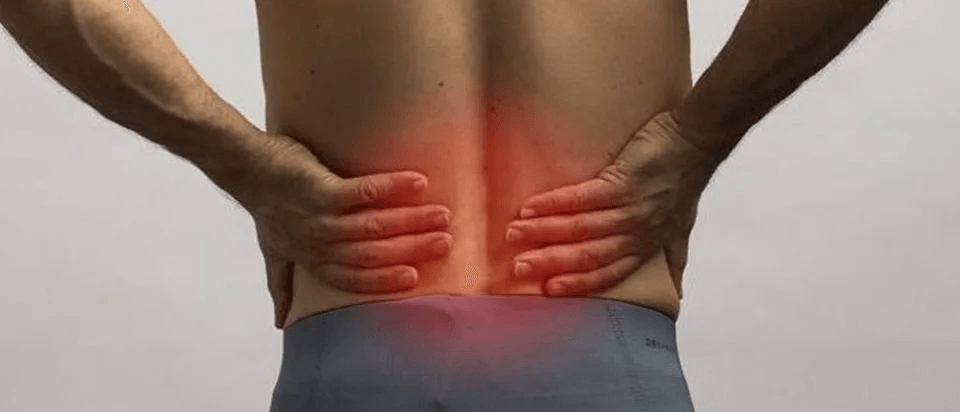
1. Spinal Stenosis
Spinal stenosis occurs when the spaces within the spinal canal narrow, placing pressure on the spinal cord or nerves.
Symptoms
Symptoms depend on the location of the narrowing:
- Lower back or neck pain
- Numbness or tingling in the arms or legs
- Muscle weakness
- Difficulty walking or standing for long periods
- Pain relief when bending forward
Lumbar (lower back) and cervical (neck) regions are most commonly affected.
Causes
Spinal stenosis often develops gradually:
- Age-related degeneration
- Spinal arthritis
- Thickened ligaments
- Bone spurs
- Herniated discs
These changes reduce space for nerves, causing discomfort and mobility issues.
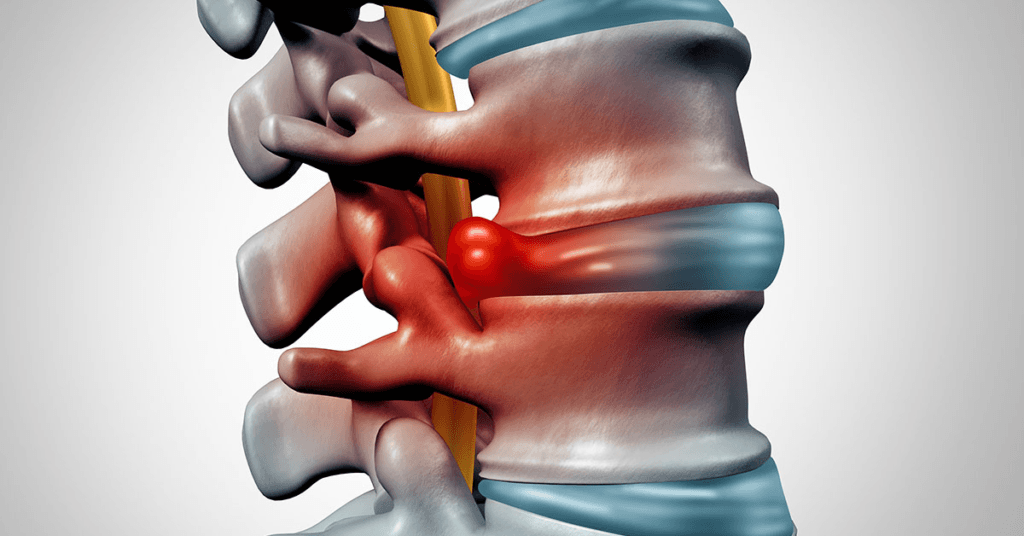
2. Herniated Disc
A herniated disc, also called a slipped or ruptured disc, occurs when the inner portion of a spinal disc pushes through the outer layer. Discs act as shock absorbers between vertebrae, allowing smooth movement.
Symptoms
Pressure on nearby nerves may result in:
- Sharp back or neck pain
- Pain radiating down the arms or legs
- Numbness or tingling
- Muscle weakness
- Sciatica (lower body pain)
The affected spinal nerve determines the location of symptoms.
Causes
Risk factors for herniated discs include:
- Heavy lifting or sudden twisting
- Sports injuries
- Poor posture
- Age-related disc degeneration
Both office workers and athletes are at risk of disc injuries.
3. Degenerative Disc Disease
Degenerative disc disease is the gradual wear and tear of spinal discs over time. Discs lose hydration and flexibility, reducing their cushioning ability.
Symptoms
- Chronic back pain
- Pain worsening with sitting or bending
- Spinal stiffness and reduced flexibility
- Pain relief when lying down
- Periodic flare-ups
Causes
- Ageing
- Repetitive spinal stress
- Previous injuries
- Poor posture
- Genetic predisposition
Degeneration can also lead to other disorders, such as herniated discs or spinal stenosis.
How Spinal Disorders Affect Daily Life
Spinal conditions can impact everyday activities:
- Prolonged sitting or standing
- Walking or exercising
- Lifting objects
- Maintaining posture
Untreated symptoms may worsen over time, affecting overall quality of life.
How Spinal Orthotics May Help
Spinal orthotics are devices designed to stabilise and support the spine, improving posture and reducing stress on spinal structures.
Benefits
- Supports spinal alignment
- Reduces pressure on discs and nerves
- Improves posture
- Stabilises injured areas
- Reduces muscle fatigue
Orthotics complement other treatments for spinal conditions, such as specialist care or physiotherapy.
Non-Surgical Treatments for Spine Disorders
Many spinal conditions respond well to conservative, non-surgical treatments:
- regenerative injection therapy
- Physiotherapy and exercise programmes
- Posture correction techniques
- Spinal orthotic support
- Regenerative therapies
These aim to improve spinal function, relieve nerve pressure, and reduce pain.
Preventing Common Spine Disorders
While ageing is unavoidable, certain habits help protect spinal health:
- Maintain good posture when sitting and standing
- Use proper lifting techniques
- Stay physically active
- Strengthen core and back muscles
- Maintain a healthy weight
These habits reduce spinal stress and help prevent injuries.
When to Seek Professional Care
Seek professional evaluation if you experience:
- Chronic back or neck pain lasting several weeks
- Pain radiating into the arms or legs
- Numbness or tingling
- Muscle weakness
- Difficulty performing daily tasks
Early diagnosis and treatment help prevent long-term complications.
Why Choose Proback for Spinal Health Care
At Proback, advanced specialist care and innovative therapies treat spinal conditions and restore normal function.
Personalised treatment plans may include:
- Spinal orthotics
- regenerative injection therapy
- Rehabilitation programmes
Our approach focuses on:
- Reducing chronic pain
- Improving spinal alignment
- Restoring mobility and flexibility
- Supporting long-term spinal health
Professional care can help patients return to an active, comfortable lifestyle.
Conclusion
The three most common spinal disorders are:
- Spinal stenosis
- Herniated discs
- Degenerative disc disease
These conditions can cause chronic pain, nerve compression, and mobility limitations, but many patients find relief with non-surgical treatments such as specialist care, posture correction, and spinal orthotics.
Understanding these conditions is the first step toward protecting spinal health and preventing long-term complications.