


How to keep spinal discs healthy?
Healthy spinal discs are essential for spinal flexibility, shock absorption, and overall back function. Located between each vertebra, these discs allow smooth bending, twisting, and movement while cushioning the spine.
Poor posture, prolonged sitting, heavy lifting, and a sedentary lifestyle can gradually damage discs, leading to conditions such as degenerative disc disease, herniated discs, and chronic back pain.
This guide provides evidence-based strategies to maintain spinal disc health, particularly for adults with back discomfort, athletes, and office workers.
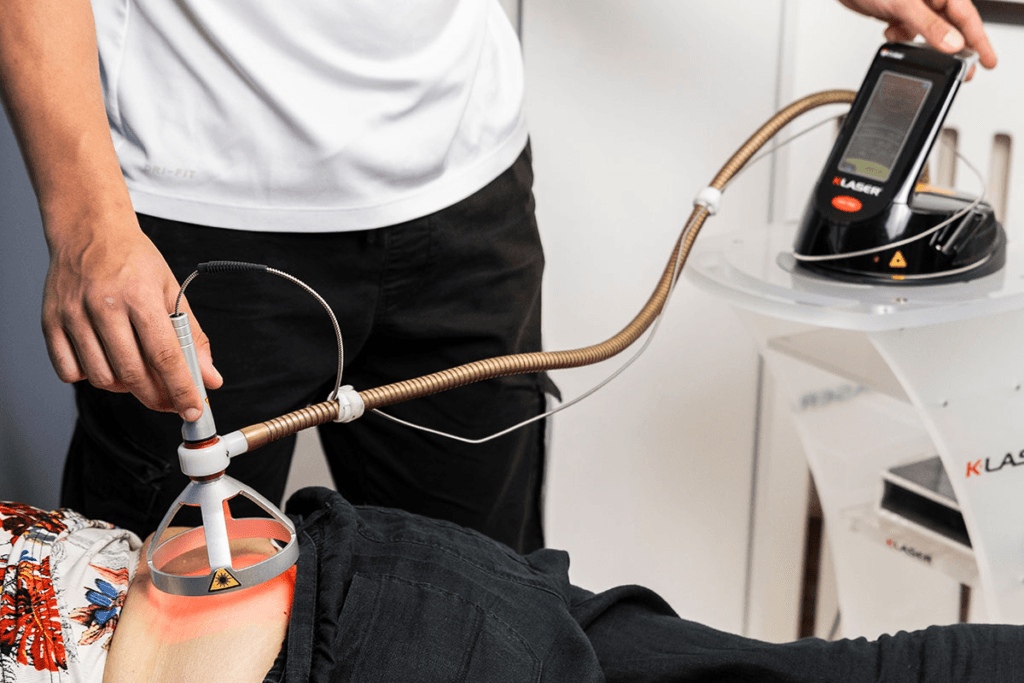
What Are Spinal Discs?
Spinal discs are soft, gel-like cushions positioned between vertebrae. Each disc has two main components:
- Nucleus Pulposus – a soft, gel-like core that absorbs shocks.
- Annulus Fibrosus – a tough outer layer that maintains stability and protects the inner core.
Together, they allow smooth spinal movement while safeguarding the spinal cord and nerves. Healthy discs are vital for pain-free motion and long-term spinal alignment.
Why Spinal Disc Health Matters
Damaged or worn discs can lead to:
- Herniated or bulging discs
- Degenerative disc disease
- Sciatica
- Chronic back or neck pain
Disc degeneration can compress nerves, causing:
- Lower back pain
- Neck stiffness
- Numbness or tingling in limbs
- Reduced mobility
Maintaining disc health preserves spinal function and prevents long-term complications.
8 Practical Ways to Keep Spinal Discs Healthy
Maintaining spinal disc health requires a combination of posture awareness, movement, and spinal support.
1. Maintain Proper Posture
Good posture reduces excessive pressure on discs. Tips include:
- Sit with a straight back, shoulders aligned
- Keep feet flat on the floor
- Use chairs with lumbar support
- Avoid slouching
2. Avoid Prolonged Sitting
Extended sitting compresses discs. Counter this by:
- Standing or stretching every 30–60 minutes
- Walking during breaks
- Using a sit-stand desk
3. Strengthen Core Muscles
A strong core reduces strain on discs. Key exercises:
- Planks
- Bridges
- Pelvic tilts
- Bird-dog exercises
4. Stay Physically Active
Low-impact activities keep discs hydrated and flexible:
- Walking or cycling
- Swimming
- Yoga and Pilates
5. Use Proper Lifting Techniques
Protect discs by:
- Bending knees, not the back
- Keeping objects close to your body
- Avoiding twisting while lifting
6. Maintain a Healthy Weight
Extra weight increases stress on discs, particularly in the lumbar spine. Even modest weight loss can reduce pain.
7. Stay Hydrated
Discs need water to retain cushioning. Drink sufficient fluids to maintain disc flexibility.
8. Use Spinal Orthotics for Support
Spinal orthotics improve posture, stabilise the spine, and reduce mechanical stress. Ideal for:
- Poor posture
- Chronic back pain
- Spinal instability
- Recovery after injury
Exercises That Promote Disc Health
Regular stretching and strengthening improve flexibility and spinal support:
- Cat-Cow Stretch: Enhances spinal mobility
- Knee-to-Chest Stretch: Reduces lower back pressure
- Pelvic Tilt: Strengthens core muscles
- Hamstring Stretch: Reduces tension on lumbar discs
A balanced exercise routine supports disc hydration, flexibility, and long-term spinal resilience.
Habits That Harm Spinal Discs
Avoid behaviours that increase disc stress:
- Slouching or poor posture
- Heavy lifting without proper technique
- Sedentary lifestyle
- Excess weight
- Smoking
- Ignoring persistent back pain
Making small adjustments can significantly protect spinal health over time.
When to See a Chiropractor
Seek professional evaluation if you experience:
- Chronic back or neck pain
- Sciatic nerve symptoms
- Numbness or tingling
- Limited mobility
Chiropractors specialise in restoring spinal alignment, relieving nerve pressure, and improving disc health.
Final Thoughts
Healthy spinal discs are key to long-term spinal function and mobility. Protect your spine by:
- Maintaining good posture
- Staying active
- Strengthening core muscles
- Using proper lifting techniques
- Supporting your spine with spinal orthotics
Proactive care today can prevent disc degeneration and chronic back pain tomorrow. Contact Proback today to know more on spinal discs.