


Which is better, prolozone or prp?
Chronic pain, sports injuries, and joint problems affect millions of adults. Whether it is persistent lower back pain, ligament damage, or joint inflammation, many individuals seek long-term relief without surgery or prolonged medication use.
Regenerative medicine has introduced advanced, non-surgical options that focus on healing rather than symptom control. Two widely discussed treatments are Prolozone Therapy and Platelet-Rich Plasma (PRP) therapy.
A common question is: which is better, Prolozone or PRP? The answer depends on the type of injury, desired recovery time, and individual health factors. This guide explains how both treatments work, their benefits, and how to choose the right option.
What Is Prolozone Therapy?
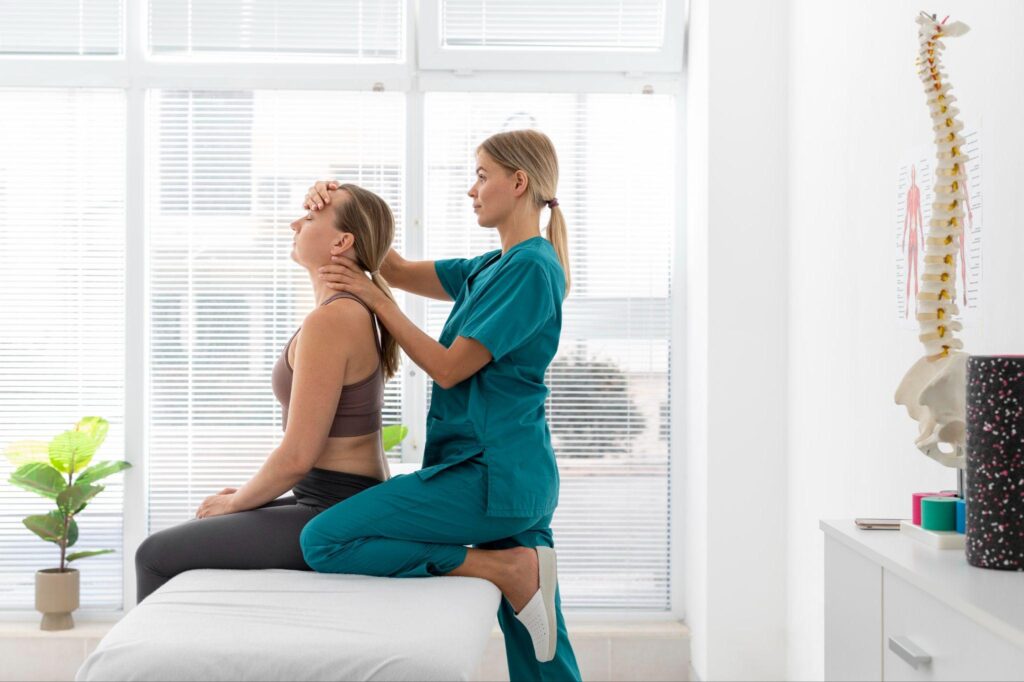
Prolozone Therapy is a regenerative injection treatment that uses ozone gas combined with vitamins, minerals, and healing agents to stimulate tissue repair.
How Prolozone Therapy Works
The procedure involves injecting nutrients followed by ozone gas into the affected area. This process:
- Enhances oxygen delivery to tissues
- Improves circulation and cellular metabolism
- Stimulates ligament and tendon repair
- Reduces inflammation
- Promotes long-term healing
Prolozone Therapy focuses on restoring oxygen balance in damaged tissues, which is essential for recovery.
What Is PRP Therapy?
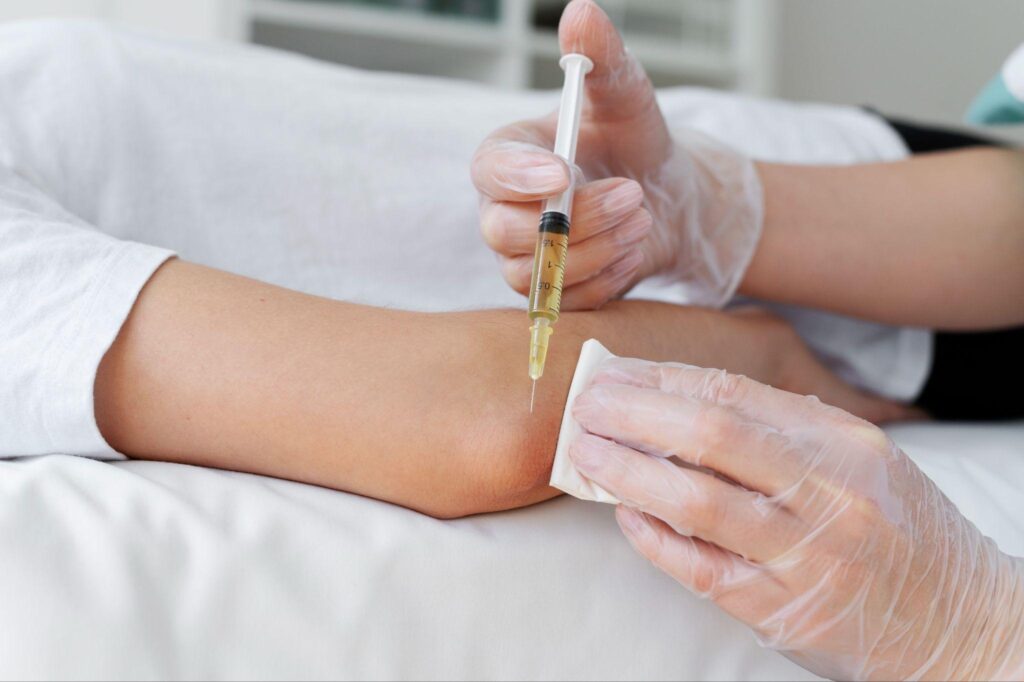
Platelet-Rich Plasma (PRP) therapy is a regenerative treatment that uses the patient’s own blood to accelerate healing.
How PRP Therapy Works
- A small blood sample is taken
- It is processed to concentrate platelets
- The platelet-rich plasma is injected into the injured area
Platelets contain growth factors that help repair tissues such as muscles, tendons, ligaments, and cartilage.
Key Differences Between Prolozone and PRP
| Feature | Prolozone Therapy | PRP Therapy |
| Main component | Ozone gas and nutrients | Patient’s own platelets |
| Healing mechanism | Improves oxygenation and circulation | Stimulates growth factors |
| Preparation | Minimal | Requires blood draw and processing |
| Treatment time | Shorter | Slightly longer |
| Pain level | Mild discomfort | Moderate soreness possible |
| Focus | Oxygen-based tissue repair | Biological tissue regeneration |
Which Treatment Works Faster?
Prolozone Therapy
- Results may begin within a few days to two weeks
- Faster initial pain relief due to improved oxygen delivery
PRP Therapy
- Results develop gradually over several weeks
- Focuses on long-term tissue regeneration
If faster symptom relief is the priority, Prolozone Therapy may be preferred. For gradual healing, PRP may be suitable.
Conditions Treated with Prolozone Therapy
Prolozone Therapy is commonly used for:
- Chronic back and neck pain
- Herniated or bulging discs
- Sciatica
- Joint instability
- Arthritis-related pain
- Ligament and tendon injuries
- Sports injuries
It is particularly effective where poor oxygen supply contributes to chronic pain.
Conditions Treated with PRP Therapy
PRP therapy is often recommended for:
- Tendon injuries such as tennis elbow
- Ligament sprains
- Knee injuries
- Rotator cuff injuries
- Muscle tears
- Osteoarthritis
It is widely used in sports medicine for tissue repair.
Benefits of Prolozone Therapy
Faster Initial Relief
Improves oxygen delivery, which can trigger quicker symptom improvement
Minimally Invasive
Simple injection procedure with minimal downtime
Long-Lasting Results
Supports tissue regeneration rather than temporary relief
Suitable for Chronic Conditions
Effective for long-standing pain and degenerative issues
Benefits of PRP Therapy
Uses Natural Components
Derived from the patient’s own blood, reducing risk of reaction
High Concentration of Growth Factors
Supports tissue repair and regeneration
Widely Used in Sports Medicine
Commonly used for athletic injuries and recovery
Which Treatment Lasts Longer?
Both treatments can provide long-term results, depending on the condition and treatment plan.
- Prolozone Therapy: Results may last months or years, especially for chronic pain
- PRP Therapy: Gradual improvement with long-term healing potential
Multiple sessions may be required for both therapies.
Which Is Better for Back Pain?
Prolozone Therapy
Often preferred for:
- Chronic spinal pain
- Ligament instability
- Disc-related conditions
- Nerve irritation
PRP Therapy
More suitable for:
- Soft tissue injuries
- Muscle damage
- Certain degenerative conditions
Prolozone Therapy is often considered more effective for oxygen-deficient spinal tissues.
Factors to Consider When Choosing
Type of Injury
Different tissues respond better to specific treatments
Treatment Goals
- Faster relief: Prolozone
- Gradual regeneration: PRP
Health Status
Individual health conditions may influence treatment choice
Practitioner Expertise
Experience and technique significantly impact outcomes
Safety and Side Effects
Both treatments are generally safe when performed by trained professionals.
Common Mild Effects
- Temporary soreness
- Mild swelling
- Slight stiffness
These usually resolve within a few days.
Serious Risks
Rare when proper techniques and sterile procedures are followed.
Which Treatment Should You Choose?
There is no one-size-fits-all answer.
- Choose Prolozone Therapy if you want faster pain relief and improved oxygenation
- Choose PRP Therapy if your goal is gradual, growth factor-driven tissue repair
In many cases, the best approach depends on a detailed clinical assessment.
Conclusion
Prolozone Therapy and PRP therapy are both effective regenerative treatments that support natural healing without surgery. While Prolozone focuses on oxygen delivery and rapid response, PRP relies on biological growth factors for gradual repair.
The better option depends on the condition being treated, recovery goals, and individual response. With the right approach, both therapies can significantly improve pain, mobility, and overall function, offering a long-term solution for musculoskeletal conditions.