


Does Shockwave Therapy Really Work?
Shockwave therapy has become one of the most talked-about non-surgical treatments for chronic pain, sports injuries, and musculoskeletal conditions in the UK. From private physiotherapy clinics to sports medicine centres, more patients are asking the same question: does shockwave therapy really work?
The short answer is yes — for many conditions, clinical evidence shows that shockwave therapy can significantly reduce pain, improve mobility, and support tissue healing. However, results depend on the condition being treated, the severity of symptoms, and the quality of care provided.
This guide explains how shockwave therapy works, what conditions it treats, its success rates, potential side effects, and whether it is worth considering in the UK. If you are researching treatment options or looking for professional healthcare support at home, services such as Proback UK also help patients access trusted healthcare and private nursing support across London and the UK.

What Is Shockwave Therapy?
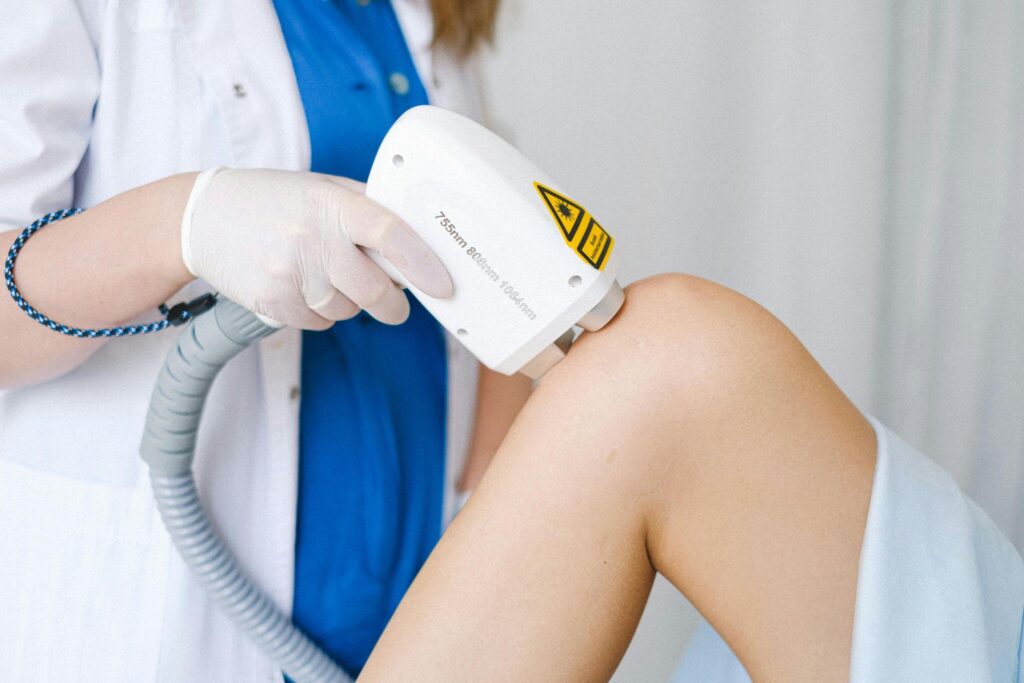
Shockwave therapy, also known as Extracorporeal Shockwave Therapy (ESWT), is a non-invasive treatment that uses acoustic sound waves to stimulate healing in damaged tissues.
f(t)=A\sin(\omega t)
These high-energy sound waves are delivered through the skin into affected muscles, tendons, ligaments, or joints. The treatment is commonly used for chronic pain conditions that have not responded well to rest, physiotherapy, or medication.
Shockwave therapy is widely used in:
- Sports medicine
- Orthopaedics
- Physiotherapy
- Rehabilitation clinics
- Pain management
- Private healthcare settings in the UK
Unlike surgery, there are no incisions, stitches, or long recovery periods.
How Does Shockwave Therapy Work?
Shockwave therapy works by stimulating the body’s natural healing response.
The acoustic waves create controlled microtrauma in damaged tissue. This encourages:
- Increased blood circulation
- Cell regeneration
- Collagen production
- Breakdown of calcified tissue
- Reduced chronic inflammation
- Pain signal interruption
Over time, the body repairs injured tissue more effectively.
For many patients, this means reduced pain and improved movement without invasive procedures.
Conditions Shockwave Therapy Can Treat
Shockwave therapy is most effective for chronic musculoskeletal conditions.
Common Conditions Treated
Plantar Fasciitis
A common cause of heel pain, especially in runners and people who stand for long periods.
Tennis Elbow
Pain and inflammation around the elbow caused by repetitive strain.
Achilles Tendinopathy
Degeneration or inflammation of the Achilles tendon.
Shoulder Calcification
Calcium deposits in the shoulder tendon causing pain and restricted movement.
Patellar Tendinopathy
Often called jumper’s knee.
Hip Pain
Particularly greater trochanteric pain syndrome.
Shin Splints
Common among athletes and runners.
Chronic Muscle Tightness
Persistent muscular pain that has not improved with physiotherapy alone.
Does Shockwave Therapy Really Work for Pain Relief?
Clinical research suggests that shockwave therapy can be highly effective for certain chronic conditions.
Studies show positive outcomes particularly for:
- Plantar fasciitis
- Tennis elbow
- Calcific shoulder tendinitis
- Achilles tendinopathy
Many UK physiotherapy clinics report success rates between 60% and 80%, depending on the condition and treatment plan.
Why It Works for Chronic Conditions
Chronic injuries often reach a point where natural healing slows down. Shockwave therapy “restarts” the healing process by stimulating tissue repair mechanisms.
Patients frequently report:
- Less pain after a few sessions
- Improved movement
- Better physical performance
- Reduced dependence on painkillers
- Faster return to activity
How Long Does Shockwave Therapy Take to Work?
Results vary from person to person.
Some patients notice improvements after the first session, while others require multiple treatments.
Typical Treatment Timeline
| Treatment Stage | What Happens |
| Session 1–2 | Mild discomfort, early tissue stimulation |
| Session 3–4 | Pain reduction often begins |
| Week 6–12 | Significant healing and mobility improvements |
| Month 3+ | Full results typically visible |
Most treatment plans involve:
- 3 to 6 sessions
- One session per week
- Each session lasting 15–30 minutes
Is Shockwave Therapy Painful?
The treatment can feel uncomfortable during application, particularly in highly inflamed areas.
However, most patients tolerate it well.
Pain levels depend on:
- The body area treated
- Severity of injury
- Energy level used
- Individual pain tolerance
The discomfort usually subsides quickly after treatment.
Side Effects of Shockwave Therapy
Shockwave therapy is considered safe when performed by qualified professionals.
Common Mild Side Effects
- Temporary redness
- Mild swelling
- Bruising
- Tenderness
- Short-term soreness
These effects usually resolve within a few days.
Rare Complications
Serious complications are uncommon.
Shockwave therapy is generally avoided in patients with:
- Blood clotting disorders
- Active infections
- Pregnancy
- Certain nerve conditions
- Tumours near the treatment area
Always consult a healthcare professional before treatment.
Is Shockwave Therapy Better Than Surgery?
For many chronic tendon and soft tissue conditions, shockwave therapy may help patients avoid surgery altogether.
Benefits Compared with Surgery
| Shockwave Therapy | Surgery |
| Non-invasive | Invasive |
| Minimal downtime | Longer recovery |
| Lower risk | Surgical risks |
| No anaesthesia | Often requires anaesthesia |
| Outpatient treatment | Hospital procedure |
However, severe injuries may still require surgical intervention.
Who Is a Good Candidate for Shockwave Therapy?
Shockwave therapy may be suitable if:
- Pain has lasted longer than 3–6 months
- Physiotherapy alone has not worked
- You want to avoid surgery
- You have chronic tendon pain
- You remain physically active
It is commonly recommended for:
- Athletes
- Office workers
- Older adults
- Runners
- People with repetitive strain injuries
What Happens During a Shockwave Therapy Session?
A typical appointment follows these steps:
1. Assessment
The clinician identifies the painful area and reviews symptoms.
2. Gel Application
Ultrasound gel is applied to improve wave transmission.
3. Shockwave Delivery
The device delivers acoustic pulses into the affected tissue.
4. Post-Treatment Advice
Patients may receive stretching, exercise, or physiotherapy guidance.
Most people can return to normal activities the same day.
Can Shockwave Therapy Cure Plantar Fasciitis?
Shockwave therapy is one of the most researched treatments for plantar fasciitis.
genui{“math_block_widget_always_prefetch_v2”:{“content”:”y=ax^2+bx+c”}}
Studies indicate strong improvement in chronic heel pain cases, especially when symptoms persist for more than six months.
Benefits include:
- Reduced heel pain
- Improved walking comfort
- Faster tissue recovery
- Better long-term outcomes
Many UK podiatrists and physiotherapists now use shockwave therapy as a frontline treatment for chronic plantar fasciitis.
Is Shockwave Therapy Effective for Sports Injuries?
Yes. Sports medicine professionals frequently use shockwave therapy for tendon and overuse injuries.
Common Sports Injuries Treated
- Runner’s knee
- Achilles tendon pain
- Hamstring tendinopathy
- Golfer’s elbow
- Tennis elbow
- Shin splints
Professional athletes often choose shockwave therapy because it can support healing without surgery or extended downtime.
How Much Does Shockwave Therapy Cost in the UK?
Prices vary depending on location and clinic reputation.
Average UK Costs
| Service | Average Price |
| Single session | £60–£120 |
| Course of treatment | £250–£600 |
Some private health insurance providers may partially cover treatment.
Is Shockwave Therapy Available on the NHS?
Availability on the NHS is limited and depends on local commissioning policies.
Many patients access treatment through:
- Private physiotherapy clinics
- Sports injury clinics
- Orthopaedic centres
- Rehabilitation practices
Private healthcare options often provide faster access and more flexible appointment times.
Shockwave Therapy vs Physiotherapy
Shockwave therapy and physiotherapy are often combined for best results.
Physiotherapy Helps With:
- Strengthening muscles
- Improving movement patterns
- Preventing reinjury
Shockwave Therapy Helps With:
- Stimulating healing
- Reducing chronic pain
- Treating resistant tendon injuries
Together, they form a more comprehensive rehabilitation strategy.
Can Shockwave Therapy Help Arthritis?
Shockwave therapy is not considered a cure for arthritis, but some patients experience reduced pain and improved mobility.
Research is ongoing regarding its use for:
- Knee osteoarthritis
- Hip pain
- Joint degeneration
Results tend to vary more than with tendon-related conditions.
What Do UK Experts Say About Shockwave Therapy?
UK physiotherapists and musculoskeletal specialists increasingly support shockwave therapy for evidence-based treatment of chronic tendon pain.
Healthcare professionals value it because it is:
- Non-surgical
- Drug-free
- Low risk
- Backed by clinical studies
- Suitable for long-term pain management
However, most experts also stress that patient assessment is essential. Not every pain condition responds equally well.
Recovery Tips After Shockwave Therapy
To improve outcomes after treatment:
Recommended Aftercare
- Avoid intense exercise for 48 hours
- Follow prescribed stretching exercises
- Stay hydrated
- Attend follow-up appointments
- Continue physiotherapy if advised
What to Avoid
- Heavy impact activity immediately after sessions
- Excessive anti-inflammatory medication
- Ignoring worsening symptoms
Are There Alternatives to Shockwave Therapy?
Depending on the condition, alternatives may include:
- Physiotherapy
- Corticosteroid injections
- PRP injections
- Orthotics
- Exercise rehabilitation
- Surgery
- Pain management programmes
A healthcare professional can help determine the most suitable option.
Private Nurse for Injection & Home Visit Near London, UK
Patients increasingly prefer healthcare services that provide treatment in the comfort of home. Whether recovering from injury, managing chronic pain, or requiring routine injections, mobile healthcare services are becoming more popular across London and the UK.
Why Patients Choose Home Visit Nursing Services
Modern private nursing services offer:
- Flexible appointments
- Faster access to care
- Greater comfort at home
- Reduced travel stress
- Personalised support
Many patients searching for “private nurse near me in London” are looking for reliable professionals who can provide safe and discreet healthcare services at home.
Services Offered by Private Mobile Nurses
Experienced private nurses may provide:
- Injection administration
- Medication support
- Post-operative care
- Wound dressing
- Elderly care
- Health monitoring
- Mobility assistance
- Chronic condition support
Healthcare platforms such as Proback UK help patients connect with trusted healthcare professionals for home visits and private nursing appointments across London and the UK.
Benefits of Booking a Mobile Nurse Appointment
Convenience
Patients avoid waiting rooms and unnecessary travel.
Personalised Attention
One-to-one care improves patient experience.
Flexible Scheduling
Appointments can often be arranged around work or family commitments.
Comfort & Privacy
Home treatment creates a more relaxed healthcare experience.
Who May Need a Home Visit Nurse?
Private nursing services are useful for:
- Elderly patients
- Busy professionals
- Post-surgery recovery
- Patients with mobility challenges
- Individuals requiring regular injections
- Families needing temporary healthcare support
Choosing a Trusted Private Nurse in London
When booking a mobile nurse appointment, patients should look for:
- Professional qualifications
- Clinical experience
- DBS checks
- Positive patient reviews
- Transparent pricing
- Registered healthcare providers
Reliable healthcare providers prioritise patient safety, professionalism, and clinical standards.
Frequently Asked Questions
Does shockwave therapy really work permanently?
Results can be long-lasting, particularly when combined with rehabilitation exercises and lifestyle changes. However, recurrence is possible if underlying biomechanical issues remain untreated.
How many sessions of shockwave therapy are needed?
Most patients require between 3 and 6 sessions depending on the condition and severity.
Is shockwave therapy safe?
Yes, shockwave therapy is generally considered safe when performed by trained healthcare professionals.
Can shockwave therapy remove calcium deposits?
Yes. It is commonly used for calcific shoulder tendinitis and may help break down calcium build-up over time.
Does shockwave therapy work immediately?
Some patients notice early pain relief, but full healing usually develops gradually over several weeks.
Can I walk after shockwave therapy?
Yes. Most patients can walk and continue normal daily activities immediately after treatment.
Is shockwave therapy worth it?
For chronic tendon pain and musculoskeletal injuries, many patients consider it worthwhile because it may reduce pain and avoid surgery.
So, does shockwave therapy really work?
For many chronic tendon and musculoskeletal conditions, the evidence strongly suggests that it can. While it is not a miracle cure, shockwave therapy offers a scientifically supported, non-invasive treatment option that helps many patients reduce pain, improve mobility, and avoid surgery.
The key to success lies in accurate diagnosis, professional treatment, and a personalised rehabilitation plan.
For patients seeking convenient healthcare support at home, services like Proback UK also make it easier to access experienced private nurses, mobile healthcare appointments, and at-home clinical support across London and the UK.
Understanding the Science Behind Shockwave Therapy
One reason shockwave therapy has gained attention in the UK healthcare sector is because it is supported by growing clinical evidence. Researchers continue to study how acoustic energy affects damaged tissues and chronic pain conditions.
E=hf
The therapy uses high-frequency sound energy that penetrates deep into tissue structures. These sound waves encourage biological reactions that may accelerate healing.
Key Physiological Effects of Shockwave Therapy
Neovascularisation
Shockwave therapy can help stimulate the formation of new blood vessels. Improved blood circulation means damaged tissues receive more oxygen and nutrients.
Collagen Production
Collagen is essential for repairing tendons and ligaments. Shockwave treatment promotes collagen synthesis, helping strengthen injured tissue.
Reduced Pain Transmission
The therapy may reduce pain by influencing nerve endings and pain receptors within the treated area.
Tissue Regeneration
Cellular repair mechanisms become more active after treatment, supporting long-term healing.
These biological responses explain why shockwave therapy is increasingly recommended for persistent musculoskeletal pain.
Why Chronic Pain Conditions Are Difficult to Treat
Many patients seek shockwave therapy after trying several conventional treatments without success.
Chronic pain conditions often become resistant to:
- Rest
- Painkillers
- Stretching
- Basic physiotherapy
- Ice therapy
This happens because long-term tendon injuries frequently involve tissue degeneration rather than active inflammation.
Common Signs of Chronic Tendon Damage
- Persistent pain lasting several months
- Morning stiffness
- Pain during movement
- Reduced physical performance
- Tenderness around joints
- Difficulty exercising
Shockwave therapy targets these chronic tissue problems by stimulating biological repair rather than simply masking symptoms.
Radial vs Focused Shockwave Therapy
Not all shockwave therapy treatments are identical.
There are two primary types used in UK clinics.
Radial Shockwave Therapy
Radial shockwaves spread over a broader treatment area and are often used for superficial injuries.
Common Uses
- Muscle tightness
- Mild tendon problems
- Trigger points
- General soft tissue pain
Focused Shockwave Therapy
Focused shockwaves penetrate deeper tissues with greater precision.
Common Uses
- Chronic tendon injuries
- Deep tissue pain
- Calcific shoulder tendinitis
- Persistent plantar fasciitis
Clinicians choose the appropriate type based on the condition being treated.
Does Shockwave Therapy Work for Erectile Dysfunction?
One emerging application of shockwave therapy is treatment for erectile dysfunction (ED).
Low-intensity shockwave therapy may improve blood flow in some men with vascular ED.
Potential Benefits
- Improved circulation
- Better erectile function
- Non-invasive treatment
- Drug-free option
However, research is still developing, and results vary. Patients should always consult qualified healthcare professionals before pursuing treatment.
Shockwave Therapy for Calcific Shoulder Tendinitis
Calcific shoulder tendinitis occurs when calcium deposits form in shoulder tendons.
Symptoms often include:
- Sharp shoulder pain
- Difficulty lifting the arm
- Night pain
- Reduced mobility
Shockwave therapy may help break down calcium deposits while stimulating healing in surrounding tissue.
F=ma
Many orthopaedic specialists now recommend shockwave therapy before considering surgery.
Why Athletes Use Shockwave Therapy
Professional athletes frequently rely on shockwave therapy as part of rehabilitation programmes.
Reasons Athletes Prefer Shockwave Therapy
- Faster recovery times
- Reduced downtime
- Non-surgical approach
- Improved tissue repair
- Minimal interruption to training
Footballers, runners, tennis players, and gym athletes commonly use it for overuse injuries.
Sports medicine clinics across the UK increasingly integrate shockwave therapy into performance recovery plans.
What to Expect After Your First Shockwave Session
Patients often ask what recovery feels like after treatment.
Immediately After Treatment
You may experience:
- Mild soreness
- Warmth in the area
- Temporary tenderness
- Slight swelling
These reactions are normal and usually temporary.
During the Following Weeks
The healing process continues gradually.
Most patients notice:
- Improved flexibility
- Reduced stiffness
- Better movement
- Lower pain levels
Healing may continue for up to 12 weeks after the final session.
Does Shockwave Therapy Work for Sciatica?
Shockwave therapy is sometimes used alongside physiotherapy for sciatica-related muscle tension and soft tissue dysfunction.
However, results depend heavily on the underlying cause.
It May Help When Sciatica Involves:
- Tight muscles
- Trigger points
- Piriformis syndrome
- Chronic soft tissue irritation
It May Be Less Effective For:
- Severe disc herniation
- Major spinal nerve compression
- Advanced spinal degeneration
A thorough medical assessment is essential before treatment.
Shockwave Therapy and NHS Guidance in the UK
The NHS recognises shockwave therapy for several musculoskeletal conditions, although access varies depending on local healthcare services.
In private healthcare settings, shockwave therapy is more widely available.
Patients often choose private treatment because it offers:
- Faster appointments
- More flexible scheduling
- Shorter waiting times
- Access to specialist sports injury clinics
Is Shockwave Therapy Scientifically Proven?
Yes, multiple clinical studies support its use for chronic tendon conditions.
Research consistently demonstrates positive outcomes for:
- Plantar fasciitis
- Tennis elbow
- Achilles tendinopathy
- Calcific shoulder pain
Why Evidence Matters
Patients increasingly search for treatments supported by evidence-based medicine rather than temporary wellness trends.
Shockwave therapy stands out because it has been extensively studied within physiotherapy and orthopaedic medicine.
How Shockwave Therapy Fits Into Modern Rehabilitation
Modern rehabilitation focuses on improving function rather than only reducing symptoms.
Shockwave therapy works best when combined with:
- Exercise rehabilitation
- Strength training
- Mobility work
- Postural correction
- Lifestyle changes
This comprehensive approach improves long-term outcomes and reduces reinjury risk.
Who Should Avoid Shockwave Therapy?
Although generally safe, shockwave therapy is not suitable for everyone.
Patients Who May Not Be Suitable Include:
- Pregnant women
- People with blood clotting disorders
- Individuals with active infections
- Patients with pacemakers near the treatment site
- Those with bone tumours
- Individuals with severe nerve disorders
A qualified clinician should always perform a full assessment beforehand.
Can Shockwave Therapy Replace Painkillers?
Many patients seek shockwave therapy because they want alternatives to long-term medication use.
While shockwave therapy does not work instantly like painkillers, it may address underlying tissue dysfunction rather than masking symptoms.
Potential Benefits Over Medication
| Shockwave Therapy | Painkillers |
| Targets healing | Temporary symptom relief |
| Non-drug treatment | Medication dependence possible |
| Supports tissue repair | Does not repair tissue |
| Long-term recovery focus | Short-term pain reduction |
This makes shockwave therapy attractive for people seeking sustainable pain management options.
Home Healthcare and Recovery Support in London
Recovering from chronic pain, injury, or mobility problems often requires ongoing healthcare support. Many UK patients now prefer home-based medical services that reduce stress and improve convenience.
Private healthcare providers increasingly offer:
- Mobile nurse visits
- Injection administration
- Home rehabilitation support
- Chronic illness monitoring
- Elderly care services
Platforms like Proback UK connect patients with experienced private nurses and healthcare professionals for home visits across London and surrounding areas.
Benefits of Booking a Private Nurse at Home
Healthcare delivery has changed significantly in recent years. Home-based care is becoming more popular among patients who value comfort, flexibility, and personalised treatment.
Key Advantages
Reduced Travel Stress
Patients recovering from injury or surgery may struggle with transportation.
Faster Access to Care
Private appointments often reduce waiting times.
Personalised Support
Patients receive one-to-one healthcare attention.
Better Comfort
Receiving treatment at home creates a calmer environment.
Injection Services Provided by Mobile Nurses
Private nurses may administer various injections safely at home, including:
- Vitamin injections
- Antibiotic injections
- Hormone injections
- Fertility medication support
- Post-operative medications
- Chronic illness treatments
Patients searching online for “private nurse for injection near London” increasingly choose home appointments for convenience and privacy.
Choosing Safe and Professional Mobile Healthcare Services
When selecting a private healthcare provider, patients should prioritise safety and clinical standards.
What to Look For
- Qualified nursing staff
- Professional registration
- DBS checks
- Transparent communication
- Positive patient feedback
- Clear appointment policies
Reliable providers maintain strict healthcare protocols and patient confidentiality.
The Future of Non-Invasive Pain Treatment
The demand for non-surgical treatment options continues to grow across the UK.
Patients increasingly want treatments that:
- Avoid surgery
- Reduce medication use
- Improve recovery naturally
- Support active lifestyles
- Minimise downtime
Shockwave therapy aligns closely with these modern healthcare priorities.
As research develops further, its use may continue expanding into additional areas of musculoskeletal medicine and rehabilitation.
Common Myths About Shockwave Therapy
Myth 1: Shockwave Therapy Is Experimental
While newer to some patients, shockwave therapy has been used in medicine for decades.
Myth 2: It Works Instantly
Healing takes time. Most patients improve gradually over several weeks.
Myth 3: It Is Only for Athletes
Shockwave therapy benefits many non-athletes with chronic pain conditions.
Myth 4: It Is Extremely Painful
Most patients describe the discomfort as manageable and temporary.
Myth 5: Surgery Is Always Better
Many chronic tendon conditions respond well to conservative treatments like shockwave therapy.
Expert Tips for Better Recovery Outcomes
Patients can improve treatment results by following professional guidance carefully.
Recovery Recommendations
- Stay consistent with exercises
- Attend all sessions
- Avoid overloading injured tissue
- Maintain good footwear support
- Improve posture and movement patterns
- Follow physiotherapy advice
Successful rehabilitation depends on both treatment quality and patient commitment.
Why Google Users Frequently Ask “Does Shockwave Therapy Really Work?”
This question appears frequently in Google’s People Also Ask section because patients want reassurance before investing in treatment.
People are searching for:
- Real evidence
- Success rates
- Side effects
- Honest patient outcomes
- Alternatives to surgery
- Long-term effectiveness
Creating trustworthy, expert-led healthcare information is essential for helping users make informed decisions.
Final Verdict: Is Shockwave Therapy Worth Trying?
For many chronic tendon and musculoskeletal conditions, shockwave therapy offers a credible, evidence-based treatment option.
It is particularly valuable for patients who:
- Want to avoid surgery
- Have long-term pain
- Have not improved with rest alone
- Need faster rehabilitation support
- Prefer non-invasive treatments
While outcomes vary, many patients experience meaningful improvements in pain, mobility, and quality of life.
When combined with proper rehabilitation and professional medical assessment, shockwave therapy can play an important role in modern pain management and recovery.
Patients seeking convenient healthcare support in London and across the UK can also explore trusted home healthcare and mobile nursing services through Proback UK for personalised at-home care and professional nurse appointments.