


How often can you do radial shockwave therapy?
Radial shockwave therapy is a widely used, non-invasive treatment for musculoskeletal pain, sports injuries, and chronic soft tissue conditions. It is commonly recommended by physiotherapists, chiropractors, and sports medicine specialists to stimulate healing and reduce pain without surgery.
A common question patients ask is:
How often can you have radial shockwave therapy?
In most cases, treatment is performed once per week over a short course of sessions. However, the exact frequency depends on the condition, its severity, and how your body responds.
Understanding the correct treatment schedule is essential to maximise results while allowing adequate time for tissue recovery.
What Is Radial Shockwave Therapy?
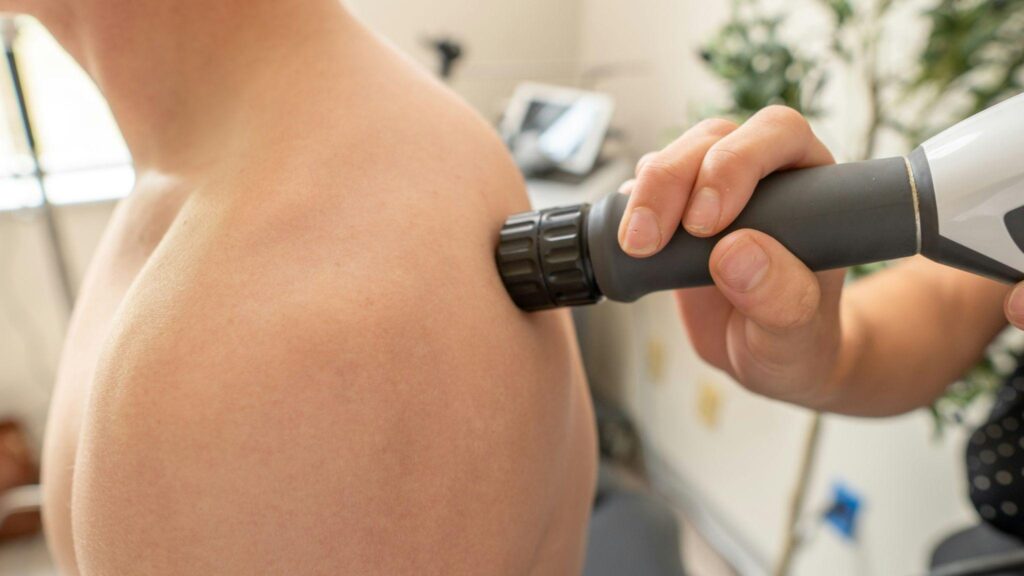
Radial shockwave therapy (RSWT) is a non-surgical treatment that uses acoustic pressure waves to stimulate healing in damaged muscles, tendons, and ligaments.
A handheld device delivers controlled pulses into the affected area, activating biological processes that promote tissue repair and pain reduction.
Key Benefits
- Improves blood circulation
- Reduces inflammation
- Breaks down scar tissue
- Stimulates collagen production
- Enhances tissue regeneration
- Supports long-term pain relief
Because it works by triggering the body’s natural healing response, sessions must be spaced appropriately.
Recommended Treatment Frequency
For most conditions, the standard protocol is:
Typical Schedule
- 1 session every 5 to 7 days
- 3 to 6 sessions in total
- 10 to 20 minutes per session
This interval allows the body to respond to each treatment before the next session is delivered.
Spacing treatments too closely may irritate tissues, while spacing them too far apart may reduce effectiveness.
Why Weekly Sessions Are Recommended
Shockwave therapy initiates a cascade of biological responses that continue after the session has finished.
Post-Treatment Effects Include
- Increased local blood flow
- Activation of repair cells (fibroblasts)
- Breakdown of damaged tissue
- Formation of new collagen fibres
These processes develop over several days. A weekly interval ensures the body has sufficient time to heal and adapt before the next stimulation.
What Factors Affect Treatment Frequency?
Although weekly sessions are typical, treatment plans are personalised based on several factors.
Severity of the Condition
Mild injuries may resolve within a few sessions, whereas chronic conditions often require a longer course.
Type of Injury
Different conditions respond at different rates, including:
- Plantar fasciitis
- Achilles tendinopathy
- Tennis elbow
- Shoulder tendinopathy
- Chronic lower back pain
- Myofascial trigger points
Individual Response
Some patients experience rapid improvement, while others require additional sessions. Progress is usually reviewed and the plan adjusted accordingly.
How Many Sessions Will You Need?
Most patients benefit from a short course of treatment.
Typical Progression
- Session 1: Stimulates the healing response
- Sessions 2–3: Pain begins to reduce
- Sessions 4–6: Tissue repair improves and mobility increases
For long-standing conditions, additional sessions may be recommended to achieve optimal results.
Can You Have Shockwave Therapy More Than Once a Week?
In general, shockwave therapy is not performed more than once per week.
Delivering treatment too frequently can:
- Irritate already sensitive tissues
- Interfere with the natural healing cycle
- Reduce overall effectiveness
In rare cases, a clinician may adjust timing slightly, but this should always be guided by professional assessment.
When Will You Notice Results?
Many patients report improvement after 2 to 3 sessions, although full benefits may take several weeks.
Expected Outcomes
- Reduced pain levels
- Improved flexibility
- Increased range of motion
- Decreased muscle tightness
- Better physical function
Healing often continues even after the final session.
What Happens During a Session?
Radial shockwave therapy is quick and straightforward.
Treatment Process
- Clinical assessment of the affected area
- Application of gel to aid wave transmission
- Delivery of acoustic waves using a handheld device
- Session duration of 10 to 20 minutes
Some mild discomfort may occur, but the procedure is generally well tolerated.
What Should You Do Between Sessions?
Proper aftercare can enhance results and minimise discomfort.
Post-Treatment Advice
- Avoid strenuous activity for 24 hours
- Stay well hydrated
- Follow prescribed exercises
- Maintain good posture
- Adhere to clinical guidance
Combining therapy with rehabilitation exercises often improves long-term outcomes.
Is Radial Shockwave Therapy Safe?
Shockwave therapy is considered safe when performed by qualified professionals.
Possible Mild Side Effects
- Temporary soreness
- Slight swelling
- Redness
- Local tenderness
These effects usually resolve within 24 to 48 hours.
Who Should Avoid Treatment?
Shockwave therapy may not be suitable for:
- Pregnant individuals
- Patients with blood clotting disorders
- Those with infections near the treatment site
- Individuals with tumours in the affected area
- Patients taking strong anticoagulants
A full assessment is essential before beginning treatment.
Why Treatment Timing Matters
Correct scheduling is critical for success. Shockwave therapy is not a daily treatment but a stimulus-based therapy that relies on recovery periods.
Proper spacing:
- Enhances tissue repair
- Prevents overloading the area
- Improves long-term outcomes
Following a structured plan ensures both safety and effectiveness.
Radial Shockwave Therapy at Proback
At Proback, treatment plans are tailored to each patient’s condition and recovery goals.
Shockwave therapy is often combined with:
- Specialist care
- Spinal decompression
- Postural correction
- Rehabilitation programmes
- Advanced pain management techniques
This integrated approach supports faster recovery and reduces recurrence.
Final Answer
So, how often can you have radial shockwave therapy?
For most patients, the ideal schedule is one session per week for three to six weeks. This allows the body to respond effectively while avoiding unnecessary irritation.
Adhering to a professionally guided treatment plan ensures the best possible results.
Consult Proback for expert radial shockwave therapy.