


What Is the Success Rate of L4-L5 Decompression Surgery?
Understanding L4-L5 Decompression Surgery in the UK
Lower back pain can be life-altering, particularly when it stems from nerve compression at the L4-L5 level of the lumbar spine. For many people in the UK, symptoms such as sciatica, numbness, leg weakness, or chronic lower back pain can significantly impact work, mobility, and quality of life. When physiotherapy, medication, injections, or conservative care fail, L4-L5 decompression surgery may become a recommended treatment.
One of the most common questions patients ask is: What is the success rate of L4-L5 decompression surgery?
The short answer is that L4-L5 decompression surgery has an overall success rate of approximately 70% to 90%, depending on the patient’s diagnosis, surgical technique, overall health, and post-operative rehabilitation.
This comprehensive guide explores:
- What L4-L5 decompression surgery is
- Average success rates in the UK and globally
- Factors influencing outcomes
- Risks and complications
- Recovery timeline
- Long-term prognosis
- Alternative treatments
- How home nursing support can improve recovery outcomes in London
For patients seeking a trusted care pathway, accessing rehabilitation support and post-surgical nursing can be crucial. Professional home healthcare providers such as Proback can help patients manage injections, wound care, mobility support, and home visits across London.
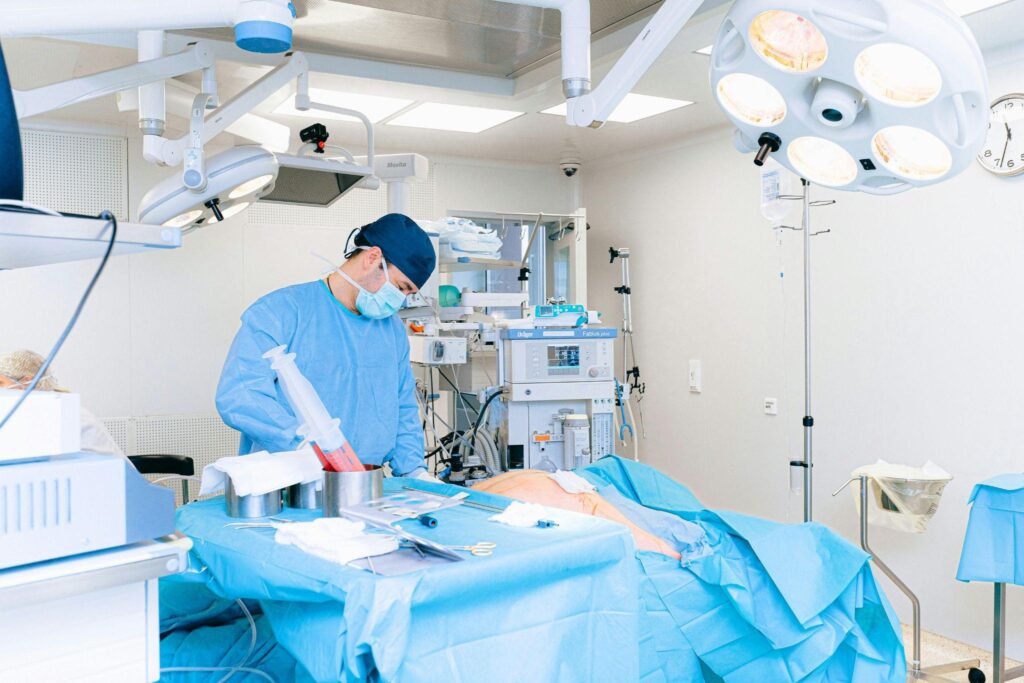
What Is L4-L5 Decompression Surgery?
L4-L5 decompression surgery is a spinal procedure designed to relieve pressure on spinal nerves in the lower back, specifically between the fourth and fifth lumbar vertebrae.
Common Conditions Treated:
- Lumbar spinal stenosis
- Herniated disc (slipped disc)
- Sciatica
- Degenerative disc disease
- Foraminal stenosis
- Cauda equina-related nerve compression
Surgical Techniques:
1. Microdiscectomy
Removes herniated disc material pressing on a nerve.
2. Laminectomy
Removes part of the vertebral bone (lamina) to create more space.
3. Foraminotomy
Widens the nerve root exit pathway.
4. Spinal Fusion (if instability exists)
Stabilises the spine after decompression.
What Is the Success Rate of L4-L5 Decompression Surgery?
Average Success Rates by Procedure Type
Microdiscectomy:
- 85–95% success for leg pain (sciatica) relief
- Particularly effective in younger patients with disc herniation
Laminectomy for spinal stenosis:
- 70–80% success
- Better for leg pain than chronic back pain
Decompression with Fusion:
- 75–85% success
- Used when spinal instability or spondylolisthesis is present
UK Clinical Perspective
According to spinal specialists, most patients experience:
- Reduced leg pain
- Improved walking ability
- Less numbness
- Better daily functioning
However, success often depends on whether the primary symptom is nerve pain in the legs rather than mechanical back pain, as decompression tends to relieve nerve pressure more effectively than muscular or discogenic pain.
Key Factors That Affect L4-L5 Surgery Success
1. Accurate Diagnosis
Patients with confirmed nerve compression on MRI generally do better.
2. Duration of Symptoms
Earlier intervention often leads to stronger nerve recovery.
3. Age and General Health
Younger, non-smoking patients with healthy body weight often recover faster.
4. Surgical Skill and Technique
Minimally invasive surgery may reduce tissue damage and speed recovery.
5. Rehabilitation
Physiotherapy, mobility exercises, and nursing support matter enormously.
What Symptoms Usually Improve After Surgery?
Most Improved:
- Sciatica
- Leg numbness
- Burning pain
- Tingling
- Difficulty walking
Less Predictable:
- Chronic lower back ache
- Muscle weakness if nerve damage is longstanding
- Permanent numbness
How Long Does Recovery Take?
Immediate Recovery:
- Walking often begins same day or next day
- Hospital stay: 1–3 days for standard procedures
2–6 Weeks:
- Reduced pain
- Light activity
- Avoid lifting
6 Weeks–3 Months:
- Return to desk work possible
- Physiotherapy increases
3–12 Months:
- Full nerve healing can continue for up to a year
Risks and Complications
While generally safe, L4-L5 decompression surgery carries some risks.
Potential Complications:
- Infection
- Dural tear (spinal fluid leak)
- Blood clots
- Recurrent disc herniation
- Failed back surgery syndrome
- Nerve damage (rare)
Reoperation Rates:
Around 5–15% may require future surgery depending on spinal degeneration.
What Is Failed Back Surgery Syndrome?
This term refers to persistent or recurrent pain after surgery.
Causes:
- Scar tissue
- Incomplete decompression
- New disc herniation
- Misdiagnosis
- Adjacent segment disease
Choosing the correct surgeon and following a structured aftercare plan significantly reduces this risk.
Is L4-L5 Decompression Worth It?
For properly selected patients, yes.
Benefits:
- Major sciatica relief
- Improved mobility
- Better sleep
- Reduced medication dependence
- Enhanced quality of life
Considerations:
- It may not “cure” all back pain
- Lifestyle changes are still essential
- Weight management and core strengthening matter
Alternatives Before Surgery
Conservative Treatments:
Physiotherapy
Core strengthening and posture correction
Epidural Steroid Injections
Temporary nerve inflammation reduction
Pain Management
NSAIDs, nerve pain medication
Chiropractic / Osteopathy
Useful in selected cases
Home-Based Injection Services
Patients in London often seek private nursing for pain injections and rehabilitation support without frequent clinic visits.
Why Post-Surgical Home Nursing Can Improve Outcomes
Recovery doesn’t stop after discharge. Many UK patients benefit from:
- Medication administration
- Injection support
- Wound care
- Dressing changes
- Mobility assistance
- Elderly support
- Fall prevention
For patients in London seeking Private Nurse for Injection & Home Visit Near London, UK, booking mobile nursing support can simplify recovery while reducing hospital travel stress.
Professional providers such as Proback offer private nurse appointments, at-home injections, and home healthcare solutions designed for convenience and continuity of care.
Who Is a Good Candidate for L4-L5 Decompression?
Ideal Candidates:
- MRI-confirmed nerve compression
- Persistent sciatica over 6–12 weeks
- Weakness or sensory loss
- Failed conservative treatment
- Functional limitation
Less Ideal:
- Generalised lower back pain without nerve compression
- Severe untreated osteoporosis
- Significant psychological pain disorders
Frequently Asked Questions
Is L4-L5 decompression major surgery?
It is considered spinal surgery, but many procedures are minimally invasive and routine for spinal surgeons.
Can you walk after surgery?
Usually yes—often within 24 hours.
Does the pain come back?
Some patients experience recurrence, but many enjoy long-term relief.
Is spinal fusion always needed?
No, only when instability is present.
How painful is recovery?
Post-surgical discomfort is common, but nerve pain often improves quickly.
Long-Term Success: What the Research Suggests
At 1 Year:
Most patients report meaningful symptom reduction.
At 5 Years:
Many remain improved, though degeneration elsewhere can occur.
At 10 Years:
Lifestyle, spinal health, and exercise heavily influence outcomes.
Expert Tips to Maximise Surgical Success
Before Surgery:
- Stop smoking
- Optimise weight
- Control diabetes
- Strengthen core where possible
After Surgery:
- Follow lifting restrictions
- Attend physiotherapy
- Use home nursing if needed
- Stay mobile
- Monitor for infection
For most patients, L4-L5 decompression surgery is highly successful—especially for relieving sciatica and nerve-related leg symptoms.
Realistic Outcome Expectations:
- 70–90% overall success
- Highest success for leg pain
- Moderate success for lower back pain
- Better outcomes with early diagnosis and quality aftercare
The procedure can be life-changing, but outcomes are strongest when paired with:
- Correct diagnosis
- Skilled surgical care
- Rehabilitation
- Ongoing support at home
Private Nurse for Injection & Home Visit Near London, UK
If you or a loved one are recovering from spinal surgery, managing pain injections, or need professional nursing support at home, mobile healthcare services can bridge the gap between hospital and full recovery.
Book Mobile Nurse Appointment:
For home injections, post-operative care, and private nursing in London, visit:
https://www.proback.com/
L4-L5 decompression surgery can offer excellent outcomes when matched with proper patient selection, realistic expectations, and quality aftercare support. For many UK patients, combining surgery with private nursing and rehabilitation creates the best path to long-term mobility, independence, and pain reduction.
Comparing L4-L5 Decompression Surgery to Other Treatments: Which Option Delivers the Best Results?
For many UK patients, deciding whether to proceed with L4-L5 decompression surgery can feel overwhelming. Google’s “People Also Ask” queries often reveal concerns like:
- Is L4-L5 surgery worth it?
- What are the alternatives to decompression surgery?
- Can spinal stenosis or disc herniation heal without surgery?
- How long does decompression surgery last?
Understanding how surgery compares with non-surgical options is crucial for making an informed, evidence-based decision.
Non-Surgical Treatments vs L4-L5 Decompression Surgery
1. Physiotherapy
Physiotherapy is often the first-line treatment for lower back pain and mild nerve compression.
Benefits:
- Improves core strength
- Enhances posture
- Reduces muscular tension
- Can prevent worsening symptoms
Limitations:
- Less effective for severe nerve compression
- May not resolve significant disc herniation
- Results can take weeks or months
Best For:
- Mild to moderate symptoms
- Early-stage lumbar stenosis
- Posture-related pain
2. Epidural Steroid Injections
These injections reduce inflammation around compressed nerves.
Benefits:
- Temporary pain relief
- Can delay surgery
- Useful during flare-ups
Risks:
- Relief may only last weeks to months
- Repeated injections may lose effectiveness
- Does not structurally correct compression
3. Chiropractic or Osteopathy
Manual therapies may benefit some patients with muscular or alignment-related pain.
Benefits:
- Non-invasive
- Can improve mobility
Limitations:
- Not suitable for severe spinal stenosis
- May aggravate some disc conditions
When Surgery Becomes the Better Option
L4-L5 decompression surgery is usually recommended when:
- Leg pain is severe
- Walking is increasingly limited
- Weakness develops
- Bladder or bowel symptoms appear
- Conservative treatment fails after 6–12 weeks
Red Flag Symptoms That May Require Urgent Surgery
Seek immediate medical review if you experience:
- Loss of bladder or bowel control
- Saddle numbness
- Rapid leg weakness
- Severe bilateral sciatica
These could indicate cauda equina syndrome, a medical emergency.
Mental Health and Surgical Recovery
One often overlooked factor in spinal surgery outcomes is psychological wellbeing.
Research shows better recovery when patients:
- Understand realistic expectations
- Manage anxiety
- Participate in rehabilitation
- Maintain physical activity
Emotional challenges may include:
- Fear of movement
- Pain catastrophising
- Post-surgical frustration
A multidisciplinary approach often improves outcomes.
Cost of L4-L5 Decompression Surgery in the UK
NHS:
- Usually covered if clinically indicated
- Wait times may vary
Private UK Care:
- Approximately £8,000–£15,000+
- Depends on:Surgeon expertiseHospital
Imaging
Follow-up care
Hidden Recovery Costs Patients Often Overlook
These may include:
- Physiotherapy
- Private prescriptions
- Home mobility aids
- Travel
- Lost work income
- Post-op nursing support
This is where at-home nursing can become especially valuable.
Private Nurse for Injection & Home Visit Near London, UK
Patients recovering from L4-L5 decompression surgery may require:
- Anticoagulant injections
- Pain relief injections
- Dressing changes
- Wound care
- Mobility support
- Rehabilitation assistance
Using a mobile nurse can reduce stress, particularly for:
- Elderly patients
- Busy professionals
- Limited mobility individuals
- Post-operative patients avoiding repeated travel
For those needing trusted private nursing and at-home medical support, Proback offers convenient London-based services tailored to patient recovery.
Frequently Overlooked Lifestyle Changes After L4-L5 Surgery
1. Weight Management
Excess weight increases lumbar spine pressure.
2. Ergonomics
Proper seating and lifting technique are essential.
3. Smoking Cessation
Smoking reduces blood flow and healing.
4. Daily Walking
Walking supports circulation and spinal recovery.
Can L4-L5 Problems Return After Surgery?
Yes, but recurrence is not inevitable.
Potential Causes:
- New disc herniation
- Scar tissue
- Degenerative ageing
- Poor posture
- Heavy lifting
- Adjacent segment disease
Prevention:
- Core strength
- Flexibility
- Healthy weight
- Proper movement patterns
The Difference Between “Pain Relief” and “Cure”
This is one of the most misunderstood topics online.
Surgery can:
- Relieve nerve compression
- Reduce sciatica
- Improve function
Surgery may not:
- Reverse arthritis
- Stop ageing
- Eliminate all back pain
- Prevent future degeneration
Patients with realistic expectations often report higher satisfaction.
Questions to Ask Your Spinal Surgeon
Before surgery, ask:
- What exactly is causing my symptoms?
- Is surgery for pain, nerve function, or both?
- Do I need fusion?
- What is my recurrence risk?
- How long until I return to work?
- What rehab plan do you recommend?
Return to Work Timeline
Desk Jobs:
2–6 weeks
Light Physical Work:
6–12 weeks
Heavy Labour:
3–6 months or longer
Recovery varies by procedure and individual healing.
L4-L5 Surgery in Older Adults
Older adults often ask whether age reduces success rates.
Good news:
Age alone does not rule out success.
More important factors:
- Bone density
- Mobility
- Heart health
- Diabetes control
- Frailty level
Many older patients still experience major improvements in walking and independence.
The Role of Home Healthcare in Better Surgical Outcomes
Private nursing support can improve:
- Medication compliance
- Injection accuracy
- Infection prevention
- Mobility confidence
- Reduced readmission risk
For London patients, booking a Private Nurse for Injection & Home Visit Near London, UK can bridge the gap between surgery and confident recovery.
Explore home care solutions via:
https://www.proback.com/
Expert Summary: Is L4-L5 Decompression Surgery Successful?
Yes—particularly when:
You have:
- Confirmed nerve compression
- Sciatica
- Walking limitation
- Failed conservative care
Less predictable if:
- Pain is purely mechanical
- Severe degeneration exists
- Rehabilitation is neglected
Final Takeaway for UK Patients
L4-L5 decompression surgery is one of the most effective procedures for relieving nerve compression and restoring mobility, with success rates often reaching 70–90%.
However, the strongest outcomes come from combining:
Clinical Excellence + Early Diagnosis + Rehabilitation + Home Support
Whether you’re exploring surgery, preparing for recovery, or supporting a loved one, informed choices matter.
And for patients in London seeking post-operative convenience, injections, or professional at-home nursing, Proback provides accessible private nurse services that can support safer, smoother healing.