


What are the risks of hydrodissection?
Hydrodissection is a modern, minimally invasive procedure used to treat nerve compression and chronic musculoskeletal pain. It works by injecting fluid around a nerve to release it from surrounding tissues, helping to reduce pain and restore mobility.
Although hydrodissection is generally considered safe, it is important to understand the potential risks, side effects, and limitations before undergoing treatment.
This guide explains everything you need to know to make an informed decision.
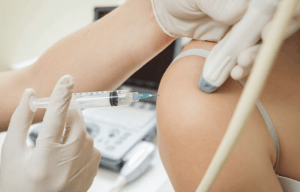
What Is Hydrodissection?
Hydrodissection is an ultrasound-guided injection technique designed to treat nerve entrapment and irritation.
A sterile fluid solution is injected around the affected nerve, creating space between the nerve and surrounding tissues such as fascia, muscles, or scar tissue.
Purpose of Treatment
- Relieve nerve compression
- Improve nerve mobility
- Reduce inflammation and irritation
- Restore normal function
Is Hydrodissection Safe?
Yes, hydrodissection is generally safe when performed by a qualified and experienced practitioner.
The use of ultrasound guidance improves precision and significantly reduces the likelihood of complications. However, as with any injection-based procedure, some risks still exist.
Common Mild Side Effects
Most patients experience only minor, short-term effects.
Typical Side Effects
- Mild soreness at the injection site
- Temporary swelling
- Slight bruising
- Local tenderness
- Mild stiffness
These symptoms usually resolve within 24 to 72 hours.
Temporary Nerve Sensations
After treatment, some patients notice temporary nerve-related sensations as the nerve adjusts.
Possible Symptoms
- Tingling
- Mild burning sensation
- Temporary numbness
- Increased sensitivity
These effects are typically short-lived and improve as the nerve recovers.
Injection Site Reactions
Because the procedure involves a needle, localised reactions may occur.
Why This Happens
- Minor disruption of small blood vessels
- Natural tissue response to injection
Bruising or irritation is usually mild and fades within a few days.
Risk of Infection
There is a very small risk of infection with any injection.
Risk Reduction Measures
- Use of sterile equipment
- Proper skin preparation
- Clinical hygiene protocols
When performed correctly, infection is rare.
Risk of Nerve Irritation
In some cases, hydrodissection may temporarily irritate the nerve.
Symptoms May Include
- Short-term increase in pain
- Tingling or sensitivity
- Temporary discomfort
This is usually mild and settles as the tissue heals.
Allergic Reactions
Although uncommon, some patients may react to components of the injected solution.
Possible Reactions
- Skin redness
- Itching
- Mild swelling
A thorough medical history helps minimise this risk.
Risk of Incomplete Relief
Hydrodissection does not guarantee results for every patient.
Factors Affecting Outcomes
- Severity of nerve compression
- Duration of symptoms
- Presence of scar tissue
- Individual healing response
Some patients may require multiple sessions or additional therapies.
Rare Complications
Serious complications are extremely uncommon but may include:
- Nerve injury
- Significant bleeding
- Severe infection
These risks are greatly reduced when ultrasound guidance and proper technique are used.
How Risks Are Minimised
Healthcare providers follow strict protocols to ensure safety.
Key Safety Measures
- Ultrasound-guided precision
- Careful patient assessment
- Sterile injection techniques
- Use of experienced practitioners
Choosing a qualified provider is essential to minimise risk.
Who Should Avoid Hydrodissection?
Hydrodissection may not be suitable for individuals with:
- Active infection near the treatment area
- Bleeding disorders
- Use of certain blood-thinning medications
- Severe structural nerve damage
A professional evaluation is necessary before treatment.
Benefits vs Risks
Despite the potential downsides, hydrodissection offers several advantages:
Benefits
- Minimally invasive
- Targeted nerve treatment
- Quick procedure time
- Minimal downtime
- Reduced need for surgery
For many patients, the benefits outweigh the relatively low risks.
What to Expect After Treatment
Recovery is usually straightforward.
Typical Timeline
| Timeframe | What to Expect |
| Immediately after | Mild pressure or soreness |
| 1–2 days | Slight swelling or tenderness |
| 1–2 weeks | Gradual pain relief |
| Several weeks | Improved nerve function |
Final Thoughts
So, what are the risks of hydrodissection?
Most risks are mild, temporary, and manageable, including soreness, swelling, and minor bruising. Serious complications are rare, particularly when the procedure is performed by an experienced practitioner using ultrasound guidance.
For individuals with nerve compression or chronic pain, hydrodissection offers a safe and effective alternative to more invasive treatments.