


Does Laser Therapy Really Work for Pain?
Pain can affect every aspect of daily life, from mobility and sleep to mental wellbeing and productivity. Across the UK, more people are now exploring non-invasive pain management options that reduce dependency on medication and support faster recovery. One treatment that continues to gain attention is laser therapy for pain relief.
But does laser therapy really work for pain?
The short answer is yes — for many people, laser therapy can help reduce inflammation, relieve discomfort, improve tissue healing, and support recovery from musculoskeletal conditions. However, results vary depending on the condition being treated, the severity of symptoms, the quality of treatment, and whether it is used alongside a broader rehabilitation plan.
This guide explores the science behind laser therapy, how it works, what the evidence says, who may benefit, possible risks, and how patients in London and across the UK can access professional healthcare support at home.

What Is Laser Therapy for Pain?
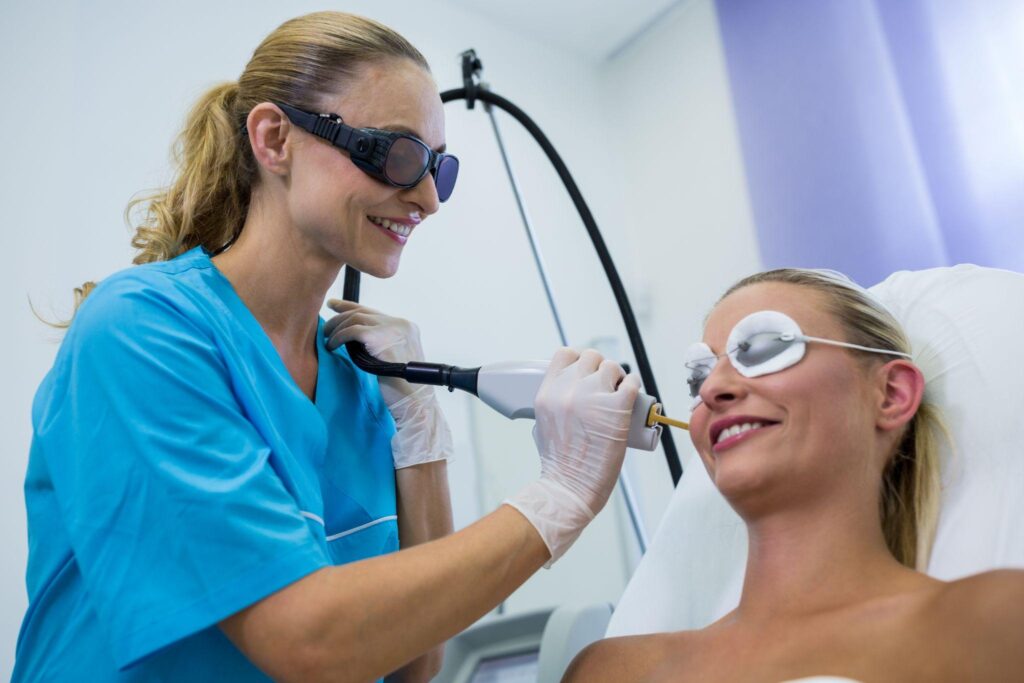
Laser therapy, often called low-level laser therapy (LLLT) or cold laser therapy, uses focused light energy to stimulate cells within the body. Unlike surgical lasers that cut tissue, therapeutic lasers are non-invasive and designed to promote healing rather than destroy tissue.
Laser therapy is commonly used for:
- Back pain
- Neck pain
- Arthritis
- Sports injuries
- Joint inflammation
- Tendon injuries
- Muscle strains
- Sciatica
- Knee pain
- Shoulder pain
- Post-surgical recovery
The therapy involves placing a handheld device over the painful area for several minutes. The light penetrates the skin and interacts with cells to encourage repair and reduce inflammation.
How Does Laser Therapy Work?
Laser therapy works through a process known as photobiomodulation. The light energy penetrates tissue and stimulates cellular activity.
Key effects may include:
Increased Cellular Energy
The light stimulates mitochondria within cells, increasing ATP production. ATP is essentially the energy currency of the body and supports tissue repair.
Reduced Inflammation
Inflammation is a major cause of chronic pain. Laser therapy may help decrease inflammatory chemicals and swelling in affected tissues.
Improved Blood Circulation
Enhanced circulation can deliver more oxygen and nutrients to damaged tissues while removing waste products more efficiently.
Pain Signal Reduction
Some studies suggest laser therapy can affect nerve sensitivity and reduce the transmission of pain signals to the brain.
Faster Tissue Healing
Soft tissue injuries, tendon problems, and muscle strains may recover more efficiently with appropriate laser treatment.
Does Scientific Research Support Laser Therapy for Pain?
Research on laser therapy has grown significantly over the last two decades. While not every study shows identical results, there is increasing evidence supporting its use for specific pain conditions.
Conditions With Promising Evidence
Neck Pain
Several systematic reviews have shown positive outcomes for chronic neck pain, particularly when laser therapy is combined with exercise and physiotherapy.
Osteoarthritis
Laser therapy may help reduce stiffness and pain in knee osteoarthritis patients. Some individuals also report improved joint function and mobility.
Tendon Injuries
Conditions such as tennis elbow and Achilles tendinopathy have shown improvement with laser therapy in some clinical studies.
Lower Back Pain
Back pain remains one of the leading causes of disability in the UK. Laser therapy may provide short-term pain reduction and support rehabilitation.
Sports Injuries
Athletes often use laser therapy to support soft tissue healing and reduce recovery times.
What the NHS and Medical Experts Say
In the UK, laser therapy is sometimes used in physiotherapy and rehabilitation settings, though availability through NHS services varies by region and condition.
Many private clinics and healthcare professionals offer laser therapy as part of a broader pain management approach. It is generally considered safe when delivered by qualified practitioners.
However, medical professionals typically recommend laser therapy as one component of treatment rather than a standalone cure.
Who Is a Good Candidate for Laser Therapy?
Laser therapy may be suitable for people experiencing:
- Chronic pain
- Joint stiffness
- Soft tissue injuries
- Repetitive strain injuries
- Sports-related pain
- Arthritis symptoms
- Muscular tension
- Post-operative discomfort
People seeking drug-free pain management often consider laser therapy because it is non-invasive and generally painless.
Conditions Commonly Treated With Laser Therapy
Arthritis
Both osteoarthritis and some inflammatory joint conditions may benefit from reduced swelling and improved mobility.
Sciatica
Laser therapy may help reduce nerve irritation and muscle inflammation associated with sciatic pain.
Frozen Shoulder
Some patients experience reduced stiffness and improved movement after treatment.
Plantar Fasciitis
Heel pain caused by inflammation of the plantar fascia may respond positively to laser therapy.
Tendonitis
Laser therapy is commonly used for tendon inflammation in areas such as the elbow, shoulder, and knee.
Advantages of Laser Therapy for Pain Relief
Non-Invasive Treatment
No surgery or injections are required.
Drug-Free Pain Management
Many patients seek alternatives to long-term pain medication.
Minimal Recovery Time
Patients can usually return to normal activities immediately after treatment.
Painless Procedure
Most people experience little or no discomfort during sessions.
Can Complement Other Treatments
Laser therapy is often used alongside physiotherapy, rehabilitation exercises, massage, and mobility work.
Are There Any Risks or Side Effects?
Laser therapy is generally considered safe when administered correctly, but there are some considerations.
Possible side effects may include:
- Temporary soreness
- Mild skin irritation
- Short-term symptom flare-ups
- Eye sensitivity if protective equipment is not used
Laser therapy should only be performed by trained healthcare professionals using approved medical devices.
It may not be appropriate for:
- Certain cancers
- Pregnancy over specific treatment areas
- Direct application over the eyes
- Certain photosensitive conditions
Patients should always discuss their medical history with a qualified practitioner before beginning treatment.
How Many Laser Therapy Sessions Are Needed?
The number of sessions varies depending on:
- The condition being treated
- Severity of symptoms
- Duration of pain
- Individual response to treatment
Some people notice improvement after a few sessions, while chronic conditions may require ongoing treatment plans.
Typical recommendations may include:
- 6–12 sessions for chronic pain
- 2–3 sessions weekly initially
- Maintenance sessions for long-term conditions
Is Laser Therapy Better Than Painkillers?
Laser therapy and medication work differently.
Painkillers often mask symptoms temporarily, whereas laser therapy aims to support tissue healing and reduce underlying inflammation.
That said, laser therapy is not necessarily a replacement for medication in every case. For some patients, the best outcomes come from combining multiple treatment approaches under professional guidance.
Laser Therapy vs Physiotherapy
These treatments are often complementary rather than competitive.
Physiotherapy Focuses On:
- Strengthening muscles
- Improving movement patterns
- Restoring function
- Preventing re-injury
Laser Therapy Focuses On:
- Reducing pain
- Stimulating healing
- Lowering inflammation
Many rehabilitation programmes use both together for improved results.
What Happens During a Laser Therapy Appointment?
A typical session may involve:
- Assessment of symptoms and medical history
- Identification of painful or inflamed areas
- Application of laser device to affected tissues
- Treatment lasting several minutes
- Advice regarding exercises or follow-up care
Most sessions are quick and require no downtime.
Is Laser Therapy Available in London and the UK?
Yes. Many clinics, physiotherapists, rehabilitation centres, and private healthcare providers across London offer laser therapy services.
Patients increasingly value healthcare options that reduce the need for travel, particularly those with mobility issues, chronic pain, or busy schedules.
For people requiring ongoing healthcare support at home, services such as private nursing visits and mobile healthcare appointments are becoming more popular throughout the UK.
Why Home Healthcare Services Are Growing in London
Healthcare delivery is changing rapidly. More patients now prefer receiving professional care in their own homes.
Benefits of home healthcare include:
- Greater comfort
- Reduced travel stress
- Flexible appointments
- Personalised support
- Better accessibility for elderly or vulnerable patients
This is particularly valuable for individuals recovering from injury, surgery, or chronic pain conditions.
Patients seeking professional at-home healthcare support in London can explore services through Proback UK, which provides information on private nurse appointments, home visits, and mobile nursing care across London and surrounding areas.
Private Nurse for Injection & Home Visit Near London, UK
Many patients managing pain conditions also require broader healthcare support, including:
- Injection administration
- Medication management
- Post-operative care
- Chronic condition monitoring
- Mobility assistance
- Wound care
- At-home nursing support
Professional home healthcare services allow patients to receive care without unnecessary clinic visits.
If you are looking for a private nurse near London, UK, Proback UK Home Nursing Services offers mobile nurse appointments and at-home healthcare support tailored to individual needs.
Frequently Asked Questions
Does laser therapy really work for chronic pain?
Laser therapy may help reduce inflammation and discomfort associated with chronic pain conditions. Results vary between individuals and conditions.
Is laser therapy painful?
No. Most patients experience little or no discomfort during treatment.
How long does pain relief last?
Some people experience short-term relief, while others notice longer-lasting improvement after multiple sessions.
Can laser therapy cure arthritis?
Laser therapy does not cure arthritis, but it may help manage symptoms such as pain and stiffness.
Is laser therapy safe?
When performed by qualified professionals using approved devices, laser therapy is generally considered safe.
How quickly does laser therapy work?
Some individuals notice improvement after a few sessions, while chronic conditions may take longer.
Is laser therapy available privately in the UK?
Yes. Many private clinics and healthcare providers across the UK offer laser therapy services.
The Future of Non-Invasive Pain Management
As demand grows for drug-free and minimally invasive treatments, laser therapy is likely to remain an important part of modern pain management strategies.
Advances in rehabilitation medicine, physiotherapy, sports recovery, and home healthcare are creating more integrated treatment options for UK patients.
Healthcare providers increasingly focus on:
- Personalised treatment plans
- Holistic rehabilitation
- Early intervention
- Home-based care solutions
- Preventive healthcare
Laser therapy can be effective for many people experiencing musculoskeletal pain, inflammation, and soft tissue injuries. Scientific evidence supports its use for several chronic pain conditions, especially when combined with physiotherapy and comprehensive rehabilitation.
However, outcomes depend on proper diagnosis, realistic expectations, treatment quality, and consistency.
For patients in London and across the UK seeking convenient healthcare support, combining professional pain management with trusted home healthcare services may offer a more comfortable and accessible path to recovery.
To learn more about private nursing care, mobile nurse appointments, and at-home healthcare support, visit Proback UK.
Understanding the Different Types of Laser Therapy
Not all laser therapy treatments are the same. Different devices use varying wavelengths and intensities depending on the condition being treated.
Low-Level Laser Therapy (LLLT)
This is the most common form used for pain relief and tissue healing. It is often referred to as “cold laser therapy” because it does not generate significant heat.
High-Intensity Laser Therapy (HILT)
This form penetrates deeper tissues and may be used for more severe musculoskeletal conditions. Sessions are typically shorter but more intensive.
Class IV Laser Therapy
Class IV lasers are increasingly used in physiotherapy and sports medicine clinics. They can reach deeper muscle and joint structures and are often used for chronic pain management.
Laser Therapy for Sports Injuries
Athletes and active individuals frequently use laser therapy to support recovery after injury.
Common sports-related conditions treated include:
- Hamstring strains
- Ligament injuries
- Tendon inflammation
- Rotator cuff injuries
- Runner’s knee
- Shin splints
- Muscle fatigue
Because laser therapy is non-invasive, many sports professionals use it during rehabilitation without significantly interrupting training schedules.
Elite sports teams and rehabilitation clinics across the UK increasingly include laser therapy within broader recovery programmes.
Can Laser Therapy Help Nerve Pain?
Nerve-related pain can be difficult to manage. Conditions such as sciatica, neuropathy, and nerve compression may respond differently to treatment compared with muscular injuries.
Some evidence suggests laser therapy may help:
- Reduce nerve inflammation
- Improve circulation around compressed nerves
- Decrease nerve sensitivity
- Support tissue repair near affected nerves
Patients with chronic nerve pain should always receive a proper medical assessment before starting treatment.
Laser Therapy for Older Adults
As people age, chronic pain becomes more common due to:
- Arthritis
- Joint degeneration
- Reduced mobility
- Muscle weakness
- Previous injuries
Many older adults prefer non-surgical treatment options that minimise medication side effects.
Laser therapy can sometimes provide a gentle approach to managing pain while supporting mobility and daily independence.
Home healthcare services are especially beneficial for elderly individuals who may struggle with travel to clinics or hospitals.
Combining Laser Therapy With Holistic Pain Management
The most successful pain management strategies are usually multidisciplinary.
Laser therapy may work best when combined with:
Physiotherapy
Improves movement, flexibility, and muscle strength.
Exercise Rehabilitation
Helps prevent stiffness and future injury.
Massage Therapy
May reduce muscular tension and improve circulation.
Nutritional Support
Inflammation can sometimes be influenced by diet and lifestyle.
Weight Management
Reducing joint strain may improve long-term outcomes.
Home Nursing Care
Some patients recovering from surgery, chronic illness, or injury benefit from professional support at home.
How Home Healthcare Supports Recovery
Patients experiencing chronic pain or mobility limitations often require more than occasional clinic visits.
At-home healthcare services can help with:
- Medication administration
- Injection support
- Mobility assistance
- Recovery monitoring
- Wound management
- Elderly care
- Post-operative support
Receiving healthcare at home may improve comfort, reduce stress, and support continuity of care.
Patients searching for professional nursing assistance can explore services through Proback UK, which offers private nurse home visits and mobile healthcare support in London and surrounding areas.
What to Ask Before Starting Laser Therapy
Before beginning treatment, patients should ask important questions such as:
- What qualifications does the practitioner hold?
- Which type of laser device is being used?
- How many sessions are recommended?
- What evidence supports treatment for my condition?
- Are there alternative therapies available?
- What results are realistic?
- Are there any risks based on my medical history?
Choosing experienced healthcare professionals is essential for both safety and treatment effectiveness.
Signs Laser Therapy May Be Working
Patients may notice improvements such as:
- Reduced stiffness
- Less inflammation
- Improved range of motion
- Better sleep due to reduced pain
- Increased mobility
- Faster recovery after activity
Progress may occur gradually over multiple sessions rather than immediately.
Common Misconceptions About Laser Therapy
“Laser Therapy Is a Miracle Cure”
While laser therapy can be helpful, it is not an instant cure for every condition. Chronic pain often requires long-term management strategies.
“Results Are Immediate for Everyone”
Some patients respond quickly, while others require several sessions before noticing meaningful improvement.
“It Works for Every Type of Pain”
Laser therapy is more effective for some musculoskeletal conditions than others.
“Laser Therapy Replaces Medical Care”
Laser treatment should complement appropriate medical advice, assessment, and rehabilitation.
Why Patients in the UK Are Exploring Private Healthcare Options
Long waiting times and increasing demand on healthcare systems have encouraged many UK patients to consider private healthcare support.
Benefits of private care may include:
- Faster appointments
- More personalised care
- Flexible scheduling
- Home visit options
- Greater convenience
For individuals managing chronic pain or recovery after surgery, accessing healthcare at home can significantly improve quality of life.
Mobile Nursing Care and At-Home Appointments in London
Modern healthcare is becoming increasingly patient-centred. Mobile healthcare professionals can now provide a range of services directly at home.
These services may include:
- Injections
- Health monitoring
- Medication administration
- Post-surgical support
- Elderly assistance
- Chronic condition management
Patients seeking a private nurse for injection and home visit near London, UK can learn more through Proback UK Home Healthcare Services.
SEO-Focused Summary: Does Laser Therapy Really Work for Pain?
Laser therapy is increasingly recognised as a non-invasive option for managing pain and supporting rehabilitation. Research suggests it may help reduce inflammation, improve tissue repair, and relieve discomfort associated with conditions such as arthritis, back pain, sports injuries, and tendon problems.
While outcomes vary between individuals, many patients experience meaningful symptom improvement when laser therapy is delivered by qualified professionals and combined with physiotherapy or rehabilitation.
For UK patients seeking accessible healthcare support, private home healthcare services and mobile nursing appointments are also becoming increasingly popular, particularly in London and surrounding areas.
Final Thoughts
Pain management is rarely one-size-fits-all. What works effectively for one person may not work the same way for another. However, laser therapy continues to gain credibility as part of modern rehabilitation and non-invasive healthcare.
As more patients seek convenient, personalised healthcare solutions, the combination of advanced pain therapies and professional home healthcare services is likely to become increasingly important across the UK.
For individuals interested in mobile nursing care, private nurse home visits, or at-home healthcare support in London, visit Proback UK for more information about available services.