


What Is Non-Invasive Laser Treatment?
Non-invasive laser treatment has become one of the most talked-about modern medical and aesthetic solutions in the UK. From skin rejuvenation and scar reduction to pain therapy and cosmetic enhancement, laser-based procedures are transforming how healthcare professionals treat patients without surgery, stitches, or long recovery periods.
Whether you are researching laser therapy for cosmetic reasons, medical concerns, or wellness treatments, understanding how non-invasive laser treatments work can help you make safer and more informed decisions.
For individuals seeking professional at-home medical support after cosmetic or wellness procedures, many families now choose private nursing services for injections, wound monitoring, and post-treatment care through Proback, offering mobile nursing appointments and home visits across London and the UK.
What Is Non-Invasive Laser Treatment?
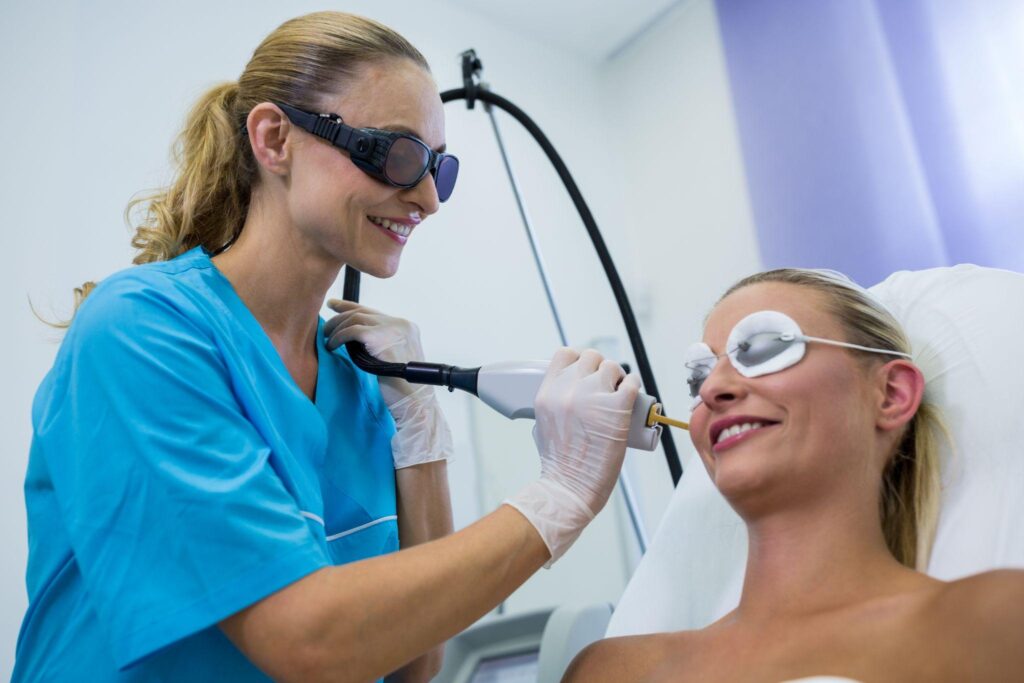
Non-invasive laser treatment refers to a medical or cosmetic procedure that uses focused light energy to treat tissues without cutting the skin or performing surgery.
Unlike invasive procedures that require incisions, anaesthesia, or extensive downtime, non-invasive laser therapies work externally by directing controlled laser energy into targeted areas of the body.
These treatments are commonly used for:
- Skin resurfacing
- Hair removal
- Acne scar reduction
- Pigmentation correction
- Wrinkle reduction
- Tattoo removal
- Pain management
- Vascular lesion treatment
- Physiotherapy support
- Anti-ageing therapies
The word “non-invasive” means the skin is not surgically opened during treatment. Most procedures are performed in outpatient clinics, aesthetic centres, dermatology practices, or even supported through home-based aftercare services.
How Does Non-Invasive Laser Treatment Work?
Laser stands for:
Light Amplification by Stimulated Emission of Radiation
Laser devices produce concentrated beams of light at specific wavelengths. Different wavelengths penetrate different layers of tissue and target unique concerns.
For example:
| Laser Type | Common Use |
| CO2 Laser | Skin resurfacing |
| Nd:YAG Laser | Hair removal & vascular treatment |
| Alexandrite Laser | Pigmentation & hair reduction |
| Diode Laser | Hair removal |
| Fractional Laser | Acne scars & wrinkles |
| Low-Level Laser Therapy (LLLT) | Pain relief & healing |
The laser energy interacts with chromophores in the body, such as:
- Melanin (pigment)
- Haemoglobin (blood vessels)
- Water in skin tissue
This targeted energy either heats, breaks down, stimulates, or repairs tissues without damaging surrounding areas.
Types of Non-Invasive Laser Treatments
1. Laser Skin Rejuvenation
One of the most popular aesthetic procedures in the UK, laser skin rejuvenation improves:
- Fine lines
- Wrinkles
- Sun damage
- Uneven skin tone
- Enlarged pores
- Texture irregularities
Fractional lasers stimulate collagen production, helping skin appear smoother and firmer over time.
Benefits
- Minimal downtime
- Improved skin elasticity
- Younger-looking complexion
- Long-lasting results
2. Laser Hair Removal
Laser hair removal targets hair follicles using concentrated light energy.
The pigment in the hair absorbs the laser heat, damaging the follicle and slowing future hair growth.
Common Treatment Areas
- Legs
- Underarms
- Face
- Bikini line
- Chest
- Back
Why It’s Popular in the UK
Many patients prefer laser hair removal because it reduces reliance on shaving, waxing, and threading.
3. Non-Invasive Laser Fat Reduction
Some laser technologies are designed to reduce stubborn fat deposits without surgery.
These treatments may target:
- Abdomen
- Thighs
- Arms
- Chin area
Laser energy disrupts fat cells, which are naturally removed by the body over time.
Important Note
Laser fat reduction is not a replacement for weight loss. It works best for body contouring.
4. Laser Therapy for Pain Management
Low-level laser therapy (LLLT) and cold laser therapy are increasingly used for:
- Muscle pain
- Sports injuries
- Joint inflammation
- Arthritis discomfort
- Physiotherapy recovery
This form of treatment may help stimulate healing and reduce inflammation without medication.
5. Laser Scar Removal
Laser treatments can improve:
- Acne scars
- Surgical scars
- Stretch marks
- Trauma-related scarring
Fractional laser systems encourage collagen remodelling and skin regeneration.
6. Laser Treatment for Pigmentation
Laser procedures can reduce:
- Age spots
- Sun spots
- Melasma
- Hyperpigmentation
- Freckles
The laser breaks down excess pigment, which the body gradually removes.
Is Non-Invasive Laser Treatment Safe?
When performed by qualified professionals, non-invasive laser treatments are generally considered safe.
However, safety depends on:
- The type of laser used
- Practitioner experience
- Skin type assessment
- Medical history
- Aftercare compliance
In the UK, patients should always seek treatment from regulated clinics and trained practitioners.
Potential Side Effects
Temporary side effects may include:
- Redness
- Swelling
- Mild irritation
- Sensitivity
- Dryness
- Temporary pigment changes
Serious complications are rare but can occur if lasers are improperly used.
Who Is a Good Candidate for Laser Treatment?
You may be suitable for non-invasive laser treatment if you:
- Want cosmetic improvement without surgery
- Have realistic expectations
- Are in good overall health
- Follow proper aftercare
- Have concerns treatable with laser technology
A consultation is essential to determine suitability.
Who Should Avoid Laser Treatment?
Some individuals may need to avoid or postpone treatment, including those with:
- Active skin infections
- Certain autoimmune disorders
- Pregnancy (depending on treatment)
- Recent tanning
- Photosensitive conditions
- Certain medications causing light sensitivity
Always discuss your medical history before undergoing laser procedures.
Benefits of Non-Invasive Laser Treatments
Minimal Downtime
Most treatments allow patients to resume normal activities quickly.
Reduced Risk Compared to Surgery
Because there are no incisions, risks such as infection and scarring are significantly lower.
Precision Treatment
Lasers can target highly specific tissues while preserving surrounding skin.
Improved Skin Appearance
Many procedures stimulate natural collagen production.
Long-Term Results
Some treatments provide results lasting months or years with maintenance.
What Happens During a Laser Treatment Session?
The process varies depending on the procedure, but typically includes:
Consultation
A professional evaluates:
- Skin condition
- Medical history
- Treatment goals
- Contraindications
Preparation
The area is cleansed and protective eyewear is provided.
Laser Application
The practitioner moves the laser device across the treatment area.
Patients may feel:
- Warmth
- Mild snapping sensation
- Tingling
Aftercare
Cooling gels or creams may be applied.
Patients receive recovery instructions.
Recovery After Non-Invasive Laser Treatment
Recovery time depends on the intensity of the procedure.
| Treatment Type | Typical Recovery |
| Laser hair removal | Few hours |
| Mild skin rejuvenation | 1–3 days |
| Fractional laser resurfacing | Several days |
| Pigmentation correction | 2–7 days |
Common Aftercare Advice
- Avoid direct sunlight
- Wear SPF daily
- Avoid harsh skincare products
- Stay hydrated
- Follow clinician instructions carefully
Some patients benefit from professional aftercare support at home, especially following advanced cosmetic procedures.
Private Nurse for Injection & Home Visit Near London, UK
After certain aesthetic or medical treatments, professional monitoring and home-based nursing support can improve comfort and recovery.
Many patients across London now prefer mobile healthcare services because they provide convenience, privacy, and personalised care.
Services Often Provided by Private Nurses
- Injection administration
- Medication support
- Wellness injections
- Vitamin injections
- Wound monitoring
- Post-procedure observation
- Elderly care support
- Home nursing appointments
For professional home nursing support and mobile nurse appointments in London, patients can explore services offered by Proback Private Nursing Services.
Why Mobile Nursing Services Are Growing in London
Healthcare delivery in the UK is evolving rapidly.
Patients increasingly value:
- Home convenience
- Reduced clinic visits
- Personalised attention
- Flexible scheduling
- Privacy and discretion
Private home nursing services are especially useful for:
- Busy professionals
- Elderly patients
- Post-treatment recovery
- Chronic condition management
- Wellness therapies
Are Non-Invasive Laser Treatments Painful?
Most patients report only mild discomfort.
Sensations are often described as:
- Warm snapping
- Tingling
- Mild heat
Modern laser devices often include cooling systems to improve comfort.
Topical numbing cream may also be used.
How Many Sessions Are Needed?
The number of sessions depends on:
- Treatment type
- Skin condition
- Desired results
- Individual response
Typical Examples
| Procedure | Sessions |
| Hair removal | 6–10 |
| Pigmentation treatment | 2–5 |
| Acne scar reduction | 3–6 |
| Skin rejuvenation | 3–5 |
Maintenance treatments may be recommended.
Non-Invasive Laser Treatment vs Surgical Procedures
| Non-Invasive Laser | Surgery |
| No incisions | Requires cuts |
| Minimal downtime | Longer recovery |
| Lower complication risk | Higher surgical risks |
| Outpatient procedure | May require hospitalisation |
| Gradual results | Immediate structural changes |
Many patients prefer non-invasive procedures because they offer visible improvement without major disruption to daily life.
Popular Non-Invasive Laser Treatments in the UK
The UK aesthetic and medical laser industry continues to expand rapidly.
Popular procedures include:
- Laser facials
- Anti-ageing resurfacing
- Tattoo removal
- Laser vein treatment
- Rosacea therapy
- Hair removal
- Skin tightening
- Acne reduction
Clinics in London remain among the busiest providers of advanced laser therapies in Europe.
Risks of Unregulated Laser Clinics
Not all providers maintain the same standards.
Patients should avoid clinics that:
- Lack qualified practitioners
- Skip consultations
- Use outdated equipment
- Offer unrealistic promises
- Ignore aftercare protocols
Always verify practitioner qualifications and clinic reputation before treatment.
Questions to Ask Before Booking Laser Treatment
What type of laser will be used?
Different lasers are designed for different conditions.
Is the practitioner qualified?
Check certifications and experience.
What results can realistically be expected?
Avoid clinics promising “perfect” results.
What are the side effects?
Understanding risks is essential.
What aftercare is required?
Good recovery support improves outcomes.
Can Laser Treatments Be Combined With Other Procedures?
Yes, many patients combine laser therapies with:
- Microneedling
- Chemical peels
- Injectable treatments
- Skincare programmes
- Physiotherapy
- Wellness therapies
Combination treatments should always be professionally planned.
Non-Invasive Laser Treatment for Men
Laser procedures are increasingly popular among men in the UK.
Common male treatments include:
- Beard line shaping
- Back hair removal
- Acne scar treatment
- Skin tightening
- Anti-ageing therapies
The demand for discreet cosmetic enhancement continues to rise.
The Future of Non-Invasive Laser Treatments
Technology continues to evolve rapidly.
Emerging innovations include:
- AI-guided laser systems
- Personalised laser settings
- Faster recovery technologies
- Combined radiofrequency and laser devices
- Enhanced skin mapping
The future of non-invasive cosmetic medicine is likely to become even safer, more targeted, and more accessible.
Frequently Asked Questions
What is non-invasive laser treatment used for?
It is used for cosmetic and medical purposes including skin rejuvenation, hair removal, scar reduction, pain therapy, pigmentation correction, and anti-ageing treatments.
Is laser treatment safe?
Yes, when performed by trained professionals using appropriate technology and proper safety protocols.
How long does laser treatment last?
Results vary depending on the procedure. Some treatments require maintenance sessions while others offer long-term improvement.
Does non-invasive laser treatment hurt?
Most patients experience mild discomfort rather than pain. Cooling systems and numbing creams can improve comfort.
How much does laser treatment cost in London?
Costs vary based on treatment type, clinic reputation, and session numbers. Advanced resurfacing treatments are typically more expensive than standard hair removal sessions.
Can I return to work after laser treatment?
Many patients return to normal activities the same day, depending on the procedure intensity.
Is there downtime after laser treatment?
Some treatments involve minimal downtime, while more intensive resurfacing procedures may require several recovery days.
Non-invasive laser treatment has revolutionised both aesthetic medicine and modern healthcare. By offering effective results without surgery, these procedures provide a safer and more convenient option for many patients seeking cosmetic improvement, pain management, or skin rejuvenation.
As laser technology continues to advance across the UK, patients now have access to highly personalised treatments with reduced downtime and improved comfort.
Equally important is proper aftercare and medical support. For individuals requiring professional home nursing services, injections, or recovery assistance in London, Proback provides convenient private nurse home visits and mobile healthcare appointments designed to support patient wellbeing in the comfort of home.
How to Prepare for Non-Invasive Laser Treatment
Preparation plays a major role in achieving safe and effective laser treatment results. Whether you are undergoing cosmetic laser therapy, skin resurfacing, pigmentation correction, or laser hair removal, following professional pre-treatment guidance can reduce complications and improve outcomes.
Avoid Sun Exposure
Most clinics in the UK recommend avoiding excessive sun exposure for at least two weeks before treatment.
Tanned or sunburnt skin increases the risk of:
- Pigmentation changes
- Burns
- Skin irritation
- Uneven laser results
Daily SPF protection is essential before and after laser procedures.
Stop Certain Skincare Products
Patients are often advised to temporarily stop using:
- Retinol products
- Strong exfoliants
- Chemical acids
- Harsh scrubs
These products can increase skin sensitivity before laser exposure.
Stay Hydrated
Healthy, hydrated skin responds better to laser treatments and heals more efficiently afterwards.
Drinking sufficient water may support:
- Skin recovery
- Collagen production
- Reduced irritation
Discuss Medications With Your Practitioner
Certain medications can affect laser safety, including:
- Antibiotics
- Acne medications
- Blood thinners
- Photosensitive medications
Always provide a full medical history before treatment.
What to Expect After Non-Invasive Laser Treatment
Recovery varies depending on the treatment intensity and skin sensitivity.
Immediate After Effects
Common temporary reactions include:
- Redness
- Warmth
- Mild swelling
- Sensitivity
- Tightness
These symptoms usually settle within hours or days.
Skin Peeling and Flaking
After resurfacing treatments, some patients experience mild peeling as damaged skin cells shed naturally.
This process is part of skin renewal and collagen stimulation.
Gradual Improvement
Many laser treatments work progressively over several weeks.
Collagen regeneration can continue for months after treatment.
Non-Invasive Laser Treatment for Anti-Ageing
One of the fastest-growing sectors in UK aesthetics is anti-ageing laser therapy.
As collagen production naturally declines with age, laser treatments can help stimulate skin repair and firmness.
Signs of Ageing Treated With Lasers
- Fine lines
- Wrinkles
- Crow’s feet
- Sagging skin
- Uneven texture
- Age spots
Why Patients Prefer Non-Surgical Anti-Ageing Treatments
Many individuals want visible improvement without:
- Surgery
- General anaesthesia
- Long recovery periods
- Permanent facial changes
Non-invasive laser therapy provides a more natural-looking enhancement.
The Science Behind Collagen Stimulation
Collagen is a structural protein responsible for skin firmness and elasticity.
Laser energy creates controlled thermal stimulation within the skin, encouraging the body to produce new collagen fibres.
This process can improve:
- Skin tightness
- Texture
- Elasticity
- Overall appearance
Collagen remodelling may continue for several months after treatment.
Laser Treatment for Acne and Acne Scars
Acne affects many teenagers and adults throughout the UK.
Laser therapies can help reduce:
- Active acne inflammation
- Acne bacteria
- Excess oil production
- Acne scarring
- Skin texture irregularities
Fractional Laser for Acne Scars
Fractional lasers create microscopic treatment zones that encourage healing and collagen production.
Benefits may include:
- Smoother skin texture
- Reduced scar visibility
- Improved skin tone
Non-Invasive Laser Therapy for Rosacea
Rosacea is a chronic skin condition causing redness and visible blood vessels.
Laser treatment can help reduce:
- Facial redness
- Broken capillaries
- Persistent flushing
Vascular lasers target blood vessels beneath the skin while preserving surrounding tissue.
Laser Treatment for Pigmented Lesions
Pigmented skin concerns are common among adults in London and across the UK.
Conditions frequently treated include:
- Sun damage
- Age spots
- Melasma
- Freckles
- Post-inflammatory hyperpigmentation
Laser therapy works by breaking down excess melanin deposits.
Non-Invasive Laser Treatment for Stretch Marks
Stretch marks develop due to rapid skin stretching from:
- Pregnancy
- Weight changes
- Growth spurts
- Muscle gain
Laser treatments may improve:
- Texture
- Colour
- Skin smoothness
Although complete removal is uncommon, many patients notice visible improvement.
Home Recovery Support After Cosmetic Procedures
Some individuals prefer additional support during recovery, especially after advanced laser treatments.
Professional mobile healthcare services can assist with:
- Recovery monitoring
- Injection administration
- Medication management
- Dressing care
- Wellness support
For patients seeking convenient nursing support at home in London, Proback Home Nursing Services provides private nurse appointments and mobile healthcare visits tailored to individual needs.
The Importance of Choosing Qualified Laser Practitioners
Laser technology is highly specialised. Incorrect use may increase the risk of:
- Burns
- Scarring
- Pigmentation issues
- Poor cosmetic results
Before booking treatment, patients should verify:
- Qualifications
- Training certifications
- Clinic reputation
- Device safety standards
- Before-and-after examples
Are At-Home Laser Devices Effective?
Home laser devices have become increasingly popular in the UK.
However, professional-grade medical lasers are significantly more powerful and effective.
Differences Between Home and Professional Devices
| At-Home Devices | Professional Lasers |
| Lower energy levels | Higher precision |
| Slower results | Faster outcomes |
| Limited treatment scope | Advanced customisation |
| Less effective for severe concerns | Suitable for medical-grade procedures |
Home devices may help with maintenance but rarely match clinic-level results.
Emotional Benefits of Non-Invasive Laser Treatments
Many patients seek laser therapy for confidence and self-esteem improvements.
Successful treatments may positively impact:
- Social confidence
- Body image
- Professional confidence
- Emotional wellbeing
Cosmetic procedures are increasingly viewed as part of broader self-care and wellness routines.
Why London Has Become a Hub for Advanced Laser Treatments
London remains one of Europe’s leading destinations for aesthetic medicine and cosmetic innovation.
Patients benefit from access to:
- Advanced laser technology
- Highly trained specialists
- Personalised treatment plans
- Private recovery services
- Modern skincare clinics
The demand for premium non-invasive procedures continues to rise throughout Greater London.
Combining Wellness and Aesthetic Care at Home
Many modern patients prefer healthcare services that integrate convenience with personalised support.
Mobile nurse appointments now commonly assist with:
- Wellness injections
- Vitamin therapy
- Recovery support
- Post-aesthetic care
- Chronic condition management
Home-based healthcare allows patients to recover more comfortably while maintaining privacy.
For professional home nursing and injection appointments in London, many individuals rely on Proback UK Healthcare Services for flexible mobile nursing support.
Myths About Non-Invasive Laser Treatments
Myth 1: Laser Treatments Are Only Cosmetic
Many laser procedures are medically beneficial and used for:
- Pain therapy
- Scar management
- Dermatological conditions
- Physiotherapy support
Myth 2: Laser Treatments Are Extremely Painful
Most procedures involve only mild discomfort and modern cooling systems improve patient comfort significantly.
Myth 3: Results Are Instant
While some improvement may appear quickly, many treatments require gradual healing and collagen stimulation.
Myth 4: Laser Treatments Are Unsafe for Darker Skin
Modern laser systems can safely treat many skin tones when operated by experienced professionals using appropriate settings.
Non-Invasive Laser Treatment Trends in the UK
The UK cosmetic and wellness market continues to evolve rapidly.
Popular trends include:
- Preventative anti-ageing
- “Lunchtime” laser procedures
- Combination skin therapies
- Male aesthetic treatments
- Personalised laser protocols
- At-home recovery support
Patients increasingly seek subtle, natural-looking improvements rather than dramatic transformations.
Topical Authority: Related Topics People Also Ask on Google
To build deeper topical relevance and SEO value, it is important to understand related user search intent surrounding non-invasive laser treatment.
Related Search Questions
What are the side effects of laser treatment?
Common temporary side effects include redness, swelling, and skin sensitivity.
How long does laser skin treatment last?
Results vary depending on the procedure, skin condition, and aftercare.
Is laser treatment better than surgery?
Laser treatment offers less downtime and lower risks, though surgery may provide more dramatic structural changes.
Can laser treatment tighten skin?
Yes, certain laser technologies stimulate collagen production which may improve skin firmness.
What is the recovery time after laser treatment?
Recovery ranges from a few hours to several days depending on treatment intensity.
Can laser remove scars permanently?
Laser treatments can significantly improve scars, though complete removal is not always possible.
Expert Tips for Better Laser Treatment Results
Follow Aftercare Strictly
Post-treatment care strongly affects healing quality and long-term outcomes.
Avoid Excessive Heat
Saunas, hot showers, and steam rooms may increase irritation immediately after treatment.
Protect Your Skin From UV Damage
Sun protection is one of the most important factors for maintaining results.
Attend Recommended Sessions
Many laser treatments require multiple sessions for optimal improvement.
Maintain Realistic Expectations
Laser procedures improve appearance but may not completely eliminate all concerns.
Final Conclusion
Non-invasive laser treatment has become one of the most advanced and effective modern approaches for cosmetic enhancement, skin rejuvenation, and therapeutic care in the UK. By delivering targeted results without surgery, lasers provide patients with safer alternatives, reduced recovery time, and highly personalised treatment options.
From wrinkle reduction and pigmentation correction to scar improvement and pain therapy, non-invasive laser technology continues to reshape both healthcare and aesthetics across London and beyond.
As demand for personalised wellness services grows, many individuals are also choosing professional home-based support for recovery, injections, and ongoing care. For patients seeking trusted mobile nurse appointments and private nursing home visits in London, Proback offers convenient healthcare solutions tailored to modern lifestyles.
By combining expert treatment, proper aftercare, and qualified healthcare support, patients can safely maximise the benefits of non-invasive laser procedures while enjoying greater comfort, confidence, and convenience.