


What to avoid with lower back pain?
Lower back pain is one of the most common musculoskeletal conditions affecting adults worldwide. It can develop from muscle strain, spinal disc problems, poor posture, prolonged sitting, or sports injuries. Because the lower back supports much of the body’s weight and movement, even minor strain can lead to significant discomfort.
While many people focus on treatments such as physiotherapy or medication, understanding what to avoid with lower back pain is equally important for recovery. Certain activities and daily habits can place additional stress on the lumbar spine, worsen inflammation, and delay healing.
Avoiding harmful movements and adopting healthier lifestyle habits can help reduce pressure on the spine and improve recovery outcomes.
If your symptoms persist or worsen, consulting a Back Pain Clinic London can help identify the underlying cause and provide a personalised treatment plan.
This guide explains:
- Activities that can worsen lower back pain
- Everyday habits that strain the lumbar spine
- Safe alternatives that support healing
- When to seek professional back pain treatment
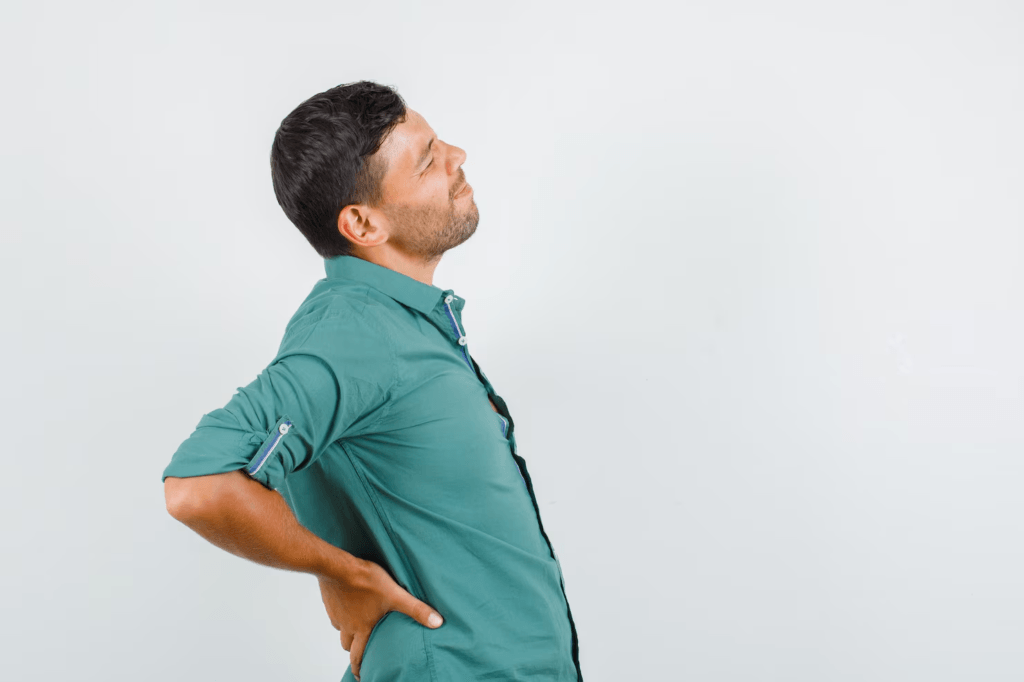
Why Lower Back Pain Occurs
The lumbar spine consists of vertebrae, spinal discs, nerves, muscles, and ligaments that work together to support movement and body weight. Because this region absorbs significant physical stress, it is particularly vulnerable to injury and degeneration.
Lower back pain can occur suddenly due to injury or develop gradually from repetitive strain or lifestyle factors.
Common Causes of Lower Back Pain
Typical causes include:
- Muscle or ligament strain
- Herniated or bulging discs
- Poor posture during sitting or standing
- Sedentary lifestyles and weak core muscles
- Improper lifting techniques
- Degenerative spinal conditions
- Sports-related injuries
- Sciatica or nerve compression
Continuing harmful activities without addressing the underlying cause can lead to chronic lower back pain and reduced mobility.
What to Avoid With Lower Back Pain
Certain movements and habits can aggravate symptoms and slow recovery. Being aware of these risk factors allows you to protect your spine while it heals.
1. Prolonged Sitting
Sitting for extended periods is one of the most common triggers of lower back pain, particularly among office workers.
Remaining seated for hours places increased pressure on spinal discs and weakens the muscles that support the lower back.
Why Prolonged Sitting Can Worsen Pain
- Increased compression on lumbar discs
- Reduced blood circulation to spinal tissues
- Weakening of core and postural muscles
- Increased risk of poor posture
What to Do Instead
- Stand up and stretch every 30 to 45 minutes
- Adjust your workstation ergonomics
- Use a chair with proper lumbar support
- Alternate between sitting and standing
Many patients visiting a Back Pain Clinic London notice significant improvement after correcting prolonged sitting habits.
2. Poor Posture
Postural problems are a leading contributor to persistent lower back pain.
Slouching while sitting, leaning forward over a laptop, or frequently looking down at mobile devices can place excessive strain on spinal structures.
Common Postural Mistakes
- Hunching over a computer screen
- Slumping in a chair
- Tilting the head forward for long periods
- Standing with uneven weight distribution
How to Improve Posture
- Keep your spine aligned and shoulders relaxed
- Position screens at eye level
- Engage your core muscles while sitting or standing
- Use ergonomic furniture where possible
Maintaining proper posture helps reduce strain on spinal joints and muscles.
3. Heavy Lifting
Improper lifting is a major cause of acute lower back injuries.
Lifting heavy objects without proper technique can damage spinal discs and strain supporting muscles.
Why Heavy Lifting Is Risky
- Increases pressure on the lumbar spine
- Raises the risk of disc herniation
- Can cause muscle tears or ligament strain
Safer Lifting Practices
- Bend your knees rather than your waist
- Keep the load close to your body
- Avoid twisting while lifting
- Ask for assistance with heavy objects
Practising safe lifting techniques can significantly reduce the risk of injury.
4. High-Impact Exercise
Certain forms of exercise may aggravate lower back pain, especially during the recovery phase.
Activities to Limit Temporarily
- Running on hard surfaces
- Jumping exercises
- Heavy weightlifting
- High-impact sports
These activities can increase stress on spinal joints and discs.
Low-Impact Alternatives
- Walking
- Swimming
- Gentle stretching
- Core stabilisation exercises
- Pilates-based rehabilitation
A specialist at a Back Pain Clinic London can recommend exercises tailored to your condition.
5. Prolonged Bed Rest
Although resting may feel helpful during the initial stages of back pain, extended bed rest can actually slow recovery.
Problems Caused by Too Much Rest
- Weakening of back and core muscles
- Increased joint stiffness
- Reduced blood circulation
- Slower recovery time
Most healthcare professionals recommend light movement and gradual activity rather than complete inactivity.
6. Twisting Movements
Sudden twisting motions can place significant stress on the lower back.
Risky Movements Include
- Twisting while lifting heavy objects
- Sudden rotational movements during sports
- Turning quickly while carrying weight
Instead of twisting your spine, move your entire body and feet together when turning.
7. Unsupportive Footwear
Footwear plays a surprising role in spinal alignment and posture.
Shoes that lack proper support can disrupt body mechanics and contribute to back pain.
Shoes That May Worsen Back Pain
- High heels
- Flat shoes with no arch support
- Worn-out trainers
Better Footwear Choices
- Supportive athletic shoes
- Orthopaedic footwear
- Shoes with good arch and heel support
Proper footwear helps maintain balanced posture and reduce stress on the lower back.
8. Ignoring Persistent Pain
One of the most common mistakes people make is ignoring ongoing back pain.
If symptoms persist or worsen, professional evaluation is important to prevent long-term complications.
Warning Signs That Require Medical Attention
Seek professional care if you experience:
- Severe or persistent back pain
- Pain radiating down the legs (sciatica)
- Numbness or tingling sensations
- Weakness in the legs
- Difficulty standing or walking
A professional evaluation at a Back Pain Clinic London can help diagnose the problem and provide targeted treatment.
Healthy Habits That Support Back Pain Recovery
In addition to avoiding harmful activities, adopting healthy habits can support healing and prevent future injuries.
Lifestyle Changes That Protect Your Spine
- Maintain a healthy body weight
- Strengthen core and back muscles
- Stretch regularly to improve flexibility
- Stay physically active
- Practise proper lifting techniques
- Improve workplace ergonomics
These habits help support spinal stability and reduce the likelihood of recurring back pain.
When to Visit a Back Pain Clinic
If lower back pain persists despite home care, professional treatment may be necessary.
A specialised Back Pain Clinic London can provide advanced diagnostic assessments and personalised treatment strategies.
Treatments May Include
- Chiropractic spinal adjustments
- Spinal decompression therapy
- Physiotherapy and rehabilitation exercises
- Posture correction programmes
- Advanced non-surgical pain relief techniques
Early treatment often prevents chronic spinal problems and promotes faster recovery.
Why Choose Proback Back Pain Clinic London
At Proback Back Pain Clinic London, patients receive comprehensive care focused on identifying and treating the root cause of spinal pain.
The clinic emphasises non-surgical, evidence-based treatments designed to restore mobility, reduce pain, and improve long-term spinal health.
Key Benefits
- Advanced chiropractic and spinal therapies
- Personalised treatment plans
- Non-invasive pain relief solutions
- Focus on long-term spinal wellness
Whether your symptoms result from posture issues, sports injuries, or degenerative spinal conditions, expert care can help you regain mobility and comfort.
Conclusion
Understanding what to avoid with lower back pain is essential for protecting your spine and supporting recovery. Harmful habits such as prolonged sitting, poor posture, heavy lifting, and high-impact exercise can worsen symptoms and delay healing.
Making simple adjustments to your daily routine, maintaining proper posture, and staying moderately active can significantly reduce strain on the lumbar spine.
If back pain persists or interferes with daily life, seeking expert care from a Back Pain Clinic London can help identify the cause and provide effective treatment.