


What to expect after hydrodissection?
Chronic nerve pain, muscle tightness, and restricted movement are increasingly common, particularly among athletes and individuals with sedentary lifestyles. When nerves become compressed or restricted by surrounding tissues, it can lead to persistent pain, tingling, and reduced function.
Hydrodissection is a minimally invasive treatment designed to address this issue directly.
So, what is hydrodissection used for?
Hydrodissection is primarily used to release trapped nerves, reduce pain, and restore normal movement by separating nerves from surrounding tissues such as fascia, muscles, or scar tissue.
What Is Hydrodissection?
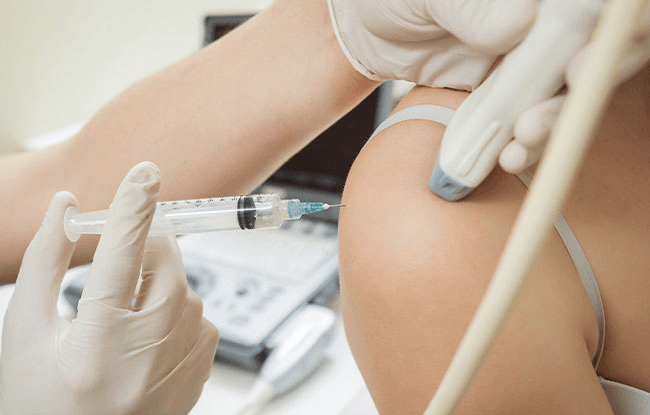
Hydrodissection is an ultrasound-guided injection technique that involves introducing fluid around a nerve to gently separate it from adjacent structures.
This creates a protective space around the nerve, allowing it to move freely without irritation or compression.
Key Purpose
- Free entrapped or compressed nerves
- Break down adhesions and scar tissue
- Restore nerve mobility
- Reduce inflammation and irritation
How Hydrodissection Works
The procedure focuses on improving how nerves glide within the body.
Mechanism of Action
- A fine needle is guided to the target nerve using ultrasound
- A fluid solution is injected around the nerve
- The fluid spreads between tissue layers
- The nerve is gently separated from surrounding structures
This process reduces mechanical pressure and improves nerve function.
Main Uses of Hydrodissection
Hydrodissection is widely used for nerve-related and musculoskeletal conditions, particularly where compression or restriction is involved.
1. Nerve Entrapment Syndromes
One of the most common uses is treating nerve entrapment.
Conditions Include
- Carpal tunnel syndrome
- Sciatica
- Ulnar nerve entrapment
- Thoracic outlet syndrome
Symptoms Treated
- Burning or shooting pain
- Tingling or numbness
- Weakness
- Reduced range of motion
2. Chronic Musculoskeletal Pain
Hydrodissection is effective when chronic pain is linked to nerve irritation.
It helps:
- Reduce persistent pain
- Improve movement patterns
- Address underlying nerve restriction
This makes it suitable for long-standing conditions that have not responded to conservative care.
3. Post-Surgical Scar Tissue and Adhesions
After surgery or injury, scar tissue can restrict nerve movement.
Hydrodissection helps:
- Break down adhesions
- Restore normal tissue glide
- Reduce post-surgical discomfort
4. Sports Injuries
Athletes often develop nerve irritation due to repetitive strain or trauma.
Hydrodissection can support recovery by:
- Relieving nerve compression
- Improving flexibility
- Enhancing performance
- Supporting faster return to activity
5. Neck, Shoulder, and Back Pain
Poor posture, repetitive movements, and prolonged sitting can contribute to nerve irritation.
Hydrodissection is commonly used for:
- Chronic neck pain
- Lower back pain
- Shoulder nerve compression
6. Peripheral Nerve Disorders
The treatment can also be used for peripheral nerve dysfunction caused by:
- Mechanical compression
- Soft tissue tightness
- Fascial restriction
Benefits of Hydrodissection
Hydrodissection offers several advantages compared to more invasive treatments.
Key Benefits
- Minimally invasive procedure
- Targeted treatment of nerve compression
- Quick treatment time (15 to 30 minutes)
- Minimal downtime
- Improved mobility and function
- Reduced reliance on medication
What to Expect During the Procedure
Step-by-Step Process
- Clinical assessment and diagnosis
- Ultrasound imaging to locate the nerve
- Skin preparation and local anaesthetic
- Precise injection around the nerve
- Immediate post-procedure observation
Most patients can return to normal activities shortly after treatment.
Is Hydrodissection Painful?
Hydrodissection is generally well tolerated.
Patients may experience:
- A brief pinching sensation during injection
- Mild pressure as fluid is introduced
- Temporary soreness afterwards
Discomfort is usually minimal and resolves within a few days.
Recovery and Results
Typical Timeline
| Timeframe | Expected Outcome |
| Immediately after | Reduced nerve pressure |
| 1–3 days | Mild soreness |
| 1–2 weeks | Improved mobility |
| Several weeks | Continued recovery |
Some patients notice relief quickly, while others improve gradually.
How Many Treatments Are Needed?
Treatment plans vary depending on severity.
Typical Protocol
- 1 to 3 sessions
- Several weeks between treatments
- Follow-up if symptoms persist
Safety and Side Effects
Hydrodissection is considered safe when performed by trained professionals using ultrasound guidance.
Possible Side Effects
- Mild swelling
- Temporary soreness
- Local tenderness
Serious complications are rare.
Who Is a Good Candidate?
Hydrodissection may be suitable for individuals who:
- Have nerve entrapment or compression
- Experience chronic nerve pain
- Have scar tissue restricting movement
- Want to avoid surgery
- Have not improved with conservative treatments
Why Hydrodissection Is Gaining Popularity
Hydrodissection is increasingly used because it addresses the root cause of nerve pain, rather than masking symptoms.
By restoring normal nerve movement, it helps improve both function and long-term outcomes.
Conclusion
So, what is hydrodissection used for?
Hydrodissection is used to treat nerve entrapment, chronic pain, and movement restrictions by releasing compressed nerves and restoring their natural mobility.
For individuals dealing with persistent nerve-related symptoms, it offers a targeted, minimally invasive alternative to more aggressive treatments.
Experience a more targeted approach to recovery. Hydrodissection helps reduce tension and improve tissue function. It supports smoother movement and better performance. Visit Proback to begin your wellness journey.