


What does K-Laser therapy do?
Back pain, muscle strain and joint stiffness affect people across all lifestyles, from athletes to office-based professionals. Many seek effective, non-invasive treatments that reduce pain and accelerate healing without medication or surgery.
K-Laser therapy is an advanced treatment widely used in chiropractic and sports medicine settings. It works by stimulating the body’s natural healing processes at a cellular level, helping to reduce inflammation, relieve pain and restore mobility.
This guide explains how K-Laser therapy works, what it treats and why it is increasingly used for faster recovery.
What Is K-Laser Therapy?
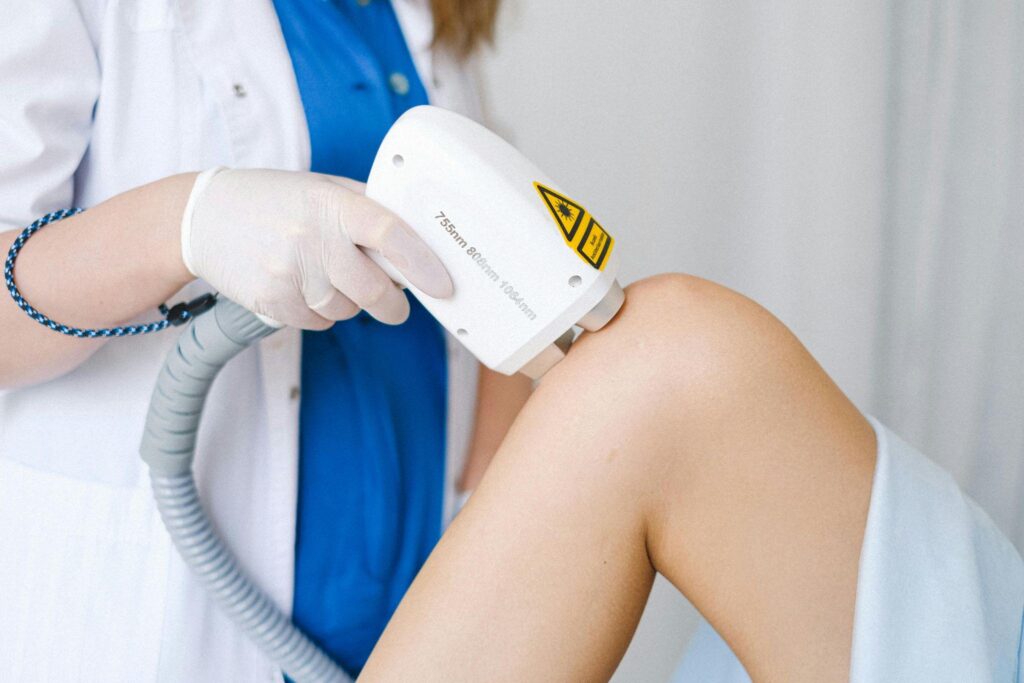
K-Laser therapy is a Class IV laser treatment, also known as deep tissue laser therapy. It uses specific wavelengths of light to penetrate the skin and reach damaged tissues.
Unlike surgical lasers, it does not cut or damage tissue. Instead, it delivers light energy that triggers biological responses within cells, encouraging repair and regeneration.
Key Characteristics
- Non-invasive and drug-free
- Clinically safe and well tolerated
- Targets deep tissue layers
- Supports natural healing processes
- Commonly used in chiropractic and rehabilitation clinics
What Does K-Laser Therapy Do?
K-Laser therapy works by enhancing cellular activity and reducing inflammation. The light energy penetrates deep into tissues, activating key healing mechanisms.
1. Reduces Pain Naturally
K-Laser therapy helps relieve pain without medication by:
- Modulating pain signals to the brain
- Stimulating endorphin release
- Relaxing tight and overactive muscles
Patients often report gradual and sustained pain relief over a course of sessions.
2. Reduces Inflammation
Inflammation is a primary cause of pain in many musculoskeletal conditions.
Laser therapy helps by:
- Increasing local circulation
- Supporting immune response
- Accelerating removal of inflammatory by-products
This leads to reduced swelling, improved mobility and decreased stiffness.
3. Accelerates Tissue Repair
At a cellular level, K-Laser therapy stimulates mitochondria to produce more ATP (adenosine triphosphate), which fuels tissue repair.
This process supports:
- Muscle recovery
- Tendon and ligament healing
- Repair of soft tissue injuries
As a result, recovery times are often significantly reduced.
4. Improves Blood Circulation
Effective healing depends on oxygen and nutrient delivery.
K-Laser therapy promotes:
- Vasodilation (widening of blood vessels)
- Increased oxygen supply
- Enhanced nutrient transport
Improved circulation helps damaged tissues regenerate more efficiently.
5. Relieves Muscle Tension and Spasms
Muscle tightness is common in both active individuals and those with sedentary lifestyles.
Laser therapy helps:
- Reduce muscle spasms
- Relax contracted tissues
- Improve range of motion
This is particularly beneficial for posture-related pain and chronic tension.
Conditions Treated with K-Laser Therapy
K-Laser therapy is widely used for musculoskeletal and soft tissue conditions.
Back and Spine Conditions
- Chronic lower back pain
- Herniated or bulging discs
- Sciatica
- Neck pain and stiffness
- Whiplash injuries
Joint Disorders
- Arthritis
- Knee pain
- Shoulder injuries
- Hip discomfort
- Elbow pain
Soft Tissue Injuries
- Muscle strains
- Ligament sprains
- Tendinopathy
- Bursitis
Sports Injuries
- Hamstring strains
- Rotator cuff injuries
- Achilles tendinopathy
- Plantar fasciitis
- Tennis elbow
Benefits of K-Laser Therapy for Back Pain
Back pain is one of the most common conditions treated with laser therapy.
Key Advantages
- Drug-free pain management
- Faster tissue healing
- Reduced inflammation around the spine
- Improved flexibility and movement
- Enhanced posture support
This makes it suitable for both acute injuries and long-term spinal conditions.
Benefits for Athletes
Athletes use K-Laser therapy to support recovery and maintain performance.
Performance Benefits
- Speeds up injury recovery
- Reduces post-exercise inflammation
- Supports muscle repair
- Helps prevent recurring injuries
Its non-invasive nature allows continued training in many cases.
Benefits for Office Workers
Sedentary work and poor posture often lead to musculoskeletal discomfort.
Common Issues Addressed
- Neck and shoulder tension
- Lower back pain
- Repetitive strain injuries
- Postural imbalance
K-Laser therapy helps reduce inflammation, relax muscles and improve circulation, making it effective for workplace-related pain.
What to Expect During Treatment
K-Laser therapy sessions are quick, simple and comfortable.
Treatment Process
- Clinical assessment of the affected area
- Placement of the handheld laser device
- Delivery of therapeutic light energy
- Session duration of approximately 5 to 15 minutes
Patients typically feel a gentle warming sensation. There is no downtime, and normal activities can usually be resumed immediately.
How Many Sessions Are Required?
Treatment plans vary depending on the condition and severity.
Typical Protocol
- Acute conditions: 3 to 6 sessions
- Chronic conditions: 6 to 12 sessions
- Complex cases: additional sessions as required
A personalised plan ensures optimal outcomes.
Is K-Laser Therapy Safe?
K-Laser therapy is considered safe when administered by qualified professionals.
Safety Profile
- Non-invasive procedure
- No reliance on medication
- Minimal risk of side effects
- Clinically approved technology
Most patients experience only mild warmth during treatment, with no significant discomfort.
Who Is Suitable for K-Laser Therapy?
K-Laser therapy is appropriate for a wide range of individuals.
Suitable Candidates
- Adults with chronic pain
- Athletes recovering from injury
- Office workers with posture-related strain
- Patients with joint inflammation
- Individuals seeking non-surgical treatment options
A professional assessment is essential to determine suitability.
K-Laser Therapy vs Traditional Treatments
Compared to Medication
- Addresses underlying causes rather than masking symptoms
- Supports long-term healing
- Avoids medication-related side effects
Compared to Surgery
- Non-invasive approach
- No recovery downtime
- Lower risk profile
It is often used as a first-line or complementary treatment before considering invasive options.
Combining K-Laser Therapy with Specialist Care
K-Laser therapy is most effective when integrated into a comprehensive treatment plan.
Complementary Therapies
- regenerative injection therapy
- Rehabilitation exercises
- Postural correction
- Soft tissue therapy
- Stretching programmes
This approach addresses both symptoms and root causes, improving long-term outcomes.
Tips to Maximise Results
Best Practices
- Follow your prescribed treatment schedule
- Maintain proper posture
- Stay hydrated
- Perform recommended exercises
- Avoid overloading injured areas
Consistency plays a key role in recovery.
When to Consider K-Laser Therapy
You may benefit from treatment if you experience:
- Persistent or recurring back pain
- Muscle injuries that are slow to heal
- Joint inflammation or stiffness
- Sports-related injuries
- Chronic neck or shoulder discomfort
Early intervention can prevent progression into more serious conditions.
Final Thoughts
K-Laser therapy is an advanced, evidence-based treatment that supports natural healing, reduces pain and improves mobility.
By enhancing cellular repair and reducing inflammation, it offers a safe and effective solution for managing back pain, soft tissue injuries and joint conditions.
For individuals seeking a non-invasive and drug-free approach to recovery, K-Laser therapy provides a reliable path towards long-term pain relief and improved physical function.
Consult Proback if you are looking for K-Laser therapy.