


What are the downsides of prolotherapy?
Prolotherapy is increasingly used as a non-surgical treatment for chronic musculoskeletal pain, including ligament injuries, joint instability, and persistent back pain. While it aims to stimulate natural healing, it is not without limitations.
Understanding the downsides of prolotherapy is essential before deciding whether it is the right option. Like any medical procedure, outcomes vary, and certain risks and practical considerations should be carefully evaluated.
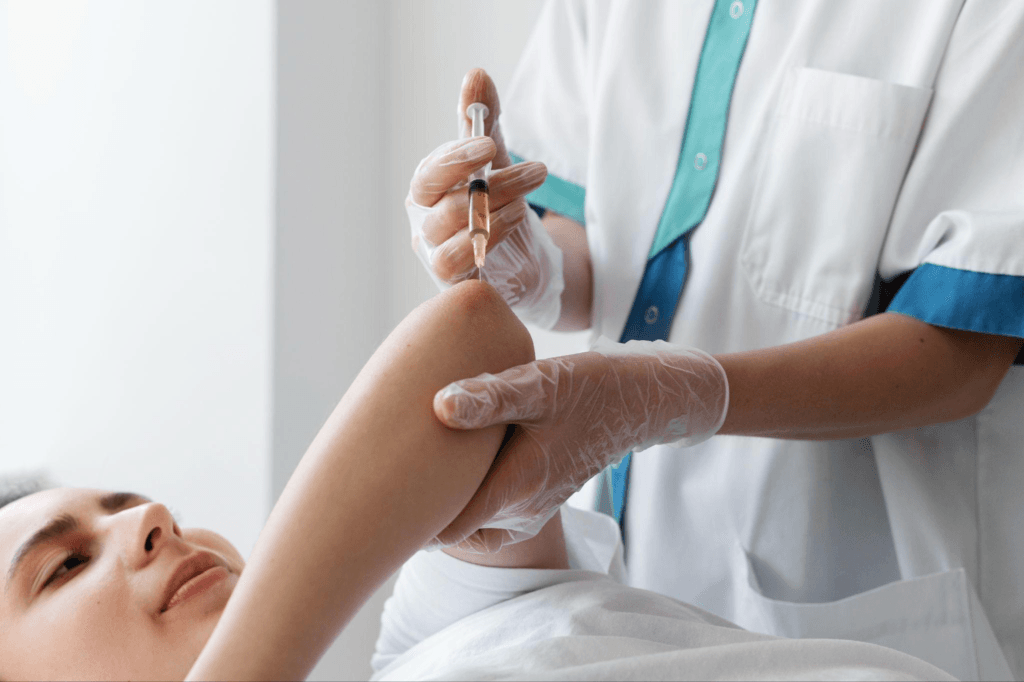
What Is Prolotherapy?
Prolotherapy, or proliferative therapy, is an injection-based treatment designed to stimulate tissue repair.
A solution, typically dextrose, is injected into weakened ligaments or tendons to trigger a controlled inflammatory response. This process is intended to promote collagen production and strengthen connective tissues.
Common Uses
- Chronic lower back pain
- Neck pain
- Ligament laxity
- Tendon injuries
- Knee and shoulder pain
- Sports-related injuries
How Prolotherapy Works
The treatment follows a structured approach:
- Identification of the affected joint or tissue
- Targeted injection into ligaments or tendons
- Controlled inflammation triggered
- Gradual tissue repair over time
Most patients require multiple sessions (3 to 6 treatments) spaced several weeks apart.
Key Downsides of Prolotherapy
1. Limited and Inconsistent Clinical Evidence
One of the primary concerns is the variability in scientific support.
- Some studies show benefit for conditions like knee osteoarthritis and chronic back pain
- Others report minimal or inconclusive results
Challenges include:
- Small study sizes
- Lack of standardised protocols
- Variations in practitioner technique
As a result, prolotherapy is still considered evidence-variable rather than universally established.
2. Multiple Sessions Required
Prolotherapy is not a one-time solution.
Typical treatment involves:
- 3 to 6 sessions
- Intervals of 2 to 6 weeks
- Gradual improvement over months
This can lead to:
- Repeated clinic visits
- Time commitment
- Delayed results
3. Temporary Increase in Pain
Because prolotherapy stimulates inflammation, discomfort after treatment is expected.
Common Post-Treatment Effects
- Localised pain
- Swelling
- Stiffness
- Bruising
Symptoms usually last 24 to 72 hours, but may feel more intense in already sensitive areas.
4. Risk of Injection-Related Complications
Although uncommon, risks include:
- Infection
- Nerve irritation
- Bleeding or bruising
- Allergic reaction
- Incorrect injection placement
Risk is significantly reduced when performed by an experienced practitioner.
5. Variable Effectiveness
Prolotherapy does not work equally for everyone.
Outcomes depend on:
- Severity of the condition
- Tissue damage level
- Patient’s healing response
- Accuracy of injection technique
Some patients experience clear improvement, while others report minimal benefit.
6. Activity Restrictions During Recovery
Post-treatment guidelines often include:
- Avoiding strenuous exercise
- Limiting high-impact activities
- Gradual return to normal movement
For active individuals, this temporary limitation may affect daily routines or training schedules.
7. Cost and Limited Insurance Coverage
Prolotherapy is often not fully covered by insurance providers.
Potential Costs Include
- Initial consultation
- Multiple injection sessions
- Follow-up visits
Total costs can become significant, particularly with repeated treatments.
Who Should Avoid Prolotherapy?
Prolotherapy may not be suitable for everyone. Medical advice is essential for individuals with:
- Bleeding disorders
- Use of anticoagulant medication
- Active infections
- Certain autoimmune conditions
- Pregnancy
A thorough clinical assessment is required before proceeding.
Prolotherapy vs Conservative Treatments
Many patients consider non-invasive options before injections.
Specialist Care
- Improves joint mobility
- Reduces nerve irritation
- Enhances spinal alignment
Physiotherapy
- Strengthens supporting muscles
- Improves flexibility and function
Postural Correction
- Addresses workplace-related strain
- Reduces long-term spinal stress
Lifestyle Adjustments
- Weight management
- Regular exercise
- Ergonomic improvements
These approaches often form the first line of treatment for musculoskeletal conditions.
When Conservative Care May Be Preferable
Non-invasive treatments may be more appropriate if:
- Pain is mild to moderate
- No significant structural damage is present
- Symptoms are posture-related
- Early-stage injury is identified
They carry fewer risks and can be highly effective when applied consistently.
Practical Tips for Managing Chronic Pain
- Maintain proper posture during sitting and standing
- Stay physically active with low-impact exercise
- Strengthen core and stabilising muscles
- Stretch regularly to improve flexibility
- Seek early professional assessment
When to Seek Professional Help
Consider evaluation if you experience:
- Persistent back or neck pain
- Joint instability
- Pain from prolonged sitting
- Sports-related injuries
- Reduced mobility
Early intervention can prevent progression to chronic conditions.
Final Thoughts: Is Prolotherapy Worth It?
Prolotherapy may offer benefits for selected patients, particularly those with ligament instability or chronic tendon issues. However, it is important to weigh the downsides:
- Inconsistent clinical evidence
- Multiple treatment sessions
- Temporary increase in pain
- Variable outcomes
- Potential procedural risks
- Out-of-pocket costs
A balanced approach involves exploring conservative treatments first and consulting a qualified healthcare professional before making a decision.
Prolotherapy helps rebuild and strengthen connective tissues. It promotes long-term relief and better movement. Consult Proback for personalized care.