


How Much Does Shock Wave Therapy Cost?
Shock wave therapy has become one of the most talked-about non-surgical treatments in the UK for chronic pain, sports injuries, tendon problems, and erectile dysfunction. Whether you are searching for relief from plantar fasciitis, tennis elbow, shoulder pain, or musculoskeletal conditions, many patients want to know one important question first: how much does shock wave therapy cost in the UK?
The answer depends on several factors, including the clinic location, number of sessions required, the type of shock wave therapy used, and whether treatment is performed in a hospital, physiotherapy clinic, or private healthcare setting.
This comprehensive guide explains everything you need to know about shock wave therapy pricing in London and across the UK, including treatment costs, what affects pricing, expected results, benefits, risks, and whether it is worth the investment.
If you are also looking for professional at-home medical support after treatment, services like Proback provide private nurse home visits, mobile injections, and personalised nursing care across London and surrounding areas.

What Is Shock Wave Therapy?
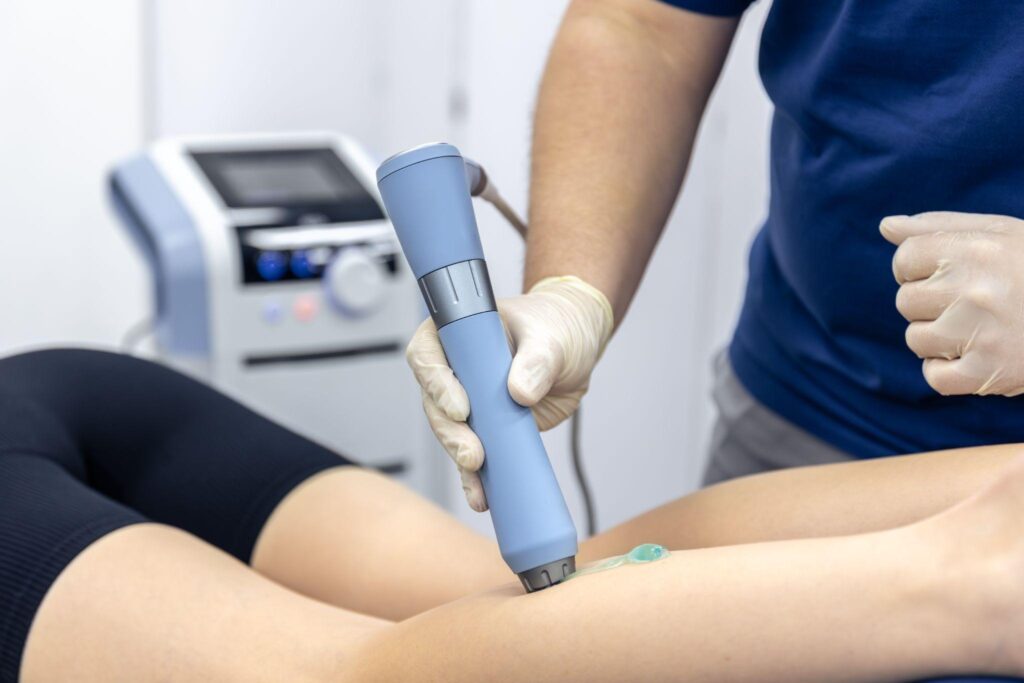
Shock wave therapy, also known as Extracorporeal Shock Wave Therapy (ESWT), is a non-invasive medical treatment that uses acoustic sound waves to stimulate healing in injured tissues.
The treatment is commonly used for:
- Plantar fasciitis
- Achilles tendonitis
- Tennis elbow
- Golfer’s elbow
- Shoulder calcification
- Patellar tendonitis
- Hip pain
- Chronic muscle pain
- Erectile dysfunction (ED)
- Sports injuries
The therapy works by increasing blood circulation, promoting tissue regeneration, and reducing inflammation.
Unlike surgery, shock wave therapy does not usually require anaesthesia, hospital stays, or long recovery periods.
How Much Does Shock Wave Therapy Cost in the UK?
In the UK, shock wave therapy typically costs between £60 and £300 per session depending on the treatment area and clinic.
Average Shock Wave Therapy Costs in the UK
| Treatment Type | Average Cost Per Session |
| Physiotherapy Shock Wave Therapy | £60 – £120 |
| Sports Injury ESWT | £75 – £150 |
| Advanced Radial Shock Wave Therapy | £80 – £180 |
| Focused Shock Wave Therapy | £150 – £300 |
| Shock Wave Therapy for ED | £200 – £400 |
| London Private Clinics | £100 – £350 |
Most patients require between 3 and 6 sessions for effective results.
That means total treatment costs often range from:
- £240 to £900 for musculoskeletal conditions
- £1,000 to £2,500 for erectile dysfunction treatment packages
Why Does Shock Wave Therapy Cost Vary?
Several factors influence the final price of treatment.
1. Clinic Location
Clinics in Central London usually charge more than clinics in smaller UK cities.
Areas like:
- Chelsea
- Kensington
- Harley Street
- Canary Wharf
often have premium pricing due to specialist expertise and operating costs.
2. Type of Shock Wave Therapy
There are two main types:
Radial Shock Wave Therapy
This is more affordable and commonly used for superficial tendon injuries.
Focused Shock Wave Therapy
Focused therapy penetrates deeper tissues and is typically more expensive because of advanced technology.
3. Number of Sessions Needed
Some patients experience relief after 3 sessions, while chronic conditions may require 6 to 10 sessions.
More sessions increase overall treatment costs.
4. Practitioner Experience
Highly experienced sports medicine specialists, orthopaedic consultants, or advanced physiotherapists may charge higher fees.
However, experienced providers often achieve better clinical outcomes.
5. Additional Services Included
Some clinics bundle treatments with:
- Physiotherapy assessments
- Rehabilitation exercises
- Ultrasound imaging
- Follow-up consultations
This may increase upfront costs but improve overall value.
How Much Does Shock Wave Therapy Cost in London?
London clinics generally charge higher fees compared to other parts of the UK.
Average London Pricing
| London Area | Typical Cost |
| Central London | £120 – £300 |
| Greater London | £80 – £180 |
| Harley Street Clinics | £200 – £400 |
| Physiotherapy Centres | £75 – £150 |
Premium clinics often include diagnostic consultations and personalised treatment planning.
Is Shock Wave Therapy Available on the NHS?
In some cases, shock wave therapy may be available through the NHS.
However:
- Availability varies by region
- Waiting times can be long
- Many NHS trusts only offer it for specific conditions
- Eligibility criteria may apply
Most patients seeking faster treatment choose private clinics.
Conditions Commonly Treated With Shock Wave Therapy
Plantar Fasciitis
One of the most common reasons people seek shock wave therapy.
Symptoms include:
- Heel pain
- Pain after resting
- Difficulty walking
Shock wave therapy often improves recovery when stretching and physiotherapy fail.
Tennis Elbow
Tennis elbow causes pain around the elbow tendon due to repetitive strain.
Shock wave therapy helps stimulate healing in damaged tendons.
Achilles Tendonitis
This condition affects runners, athletes, and active individuals.
Treatment can reduce inflammation and improve tendon repair.
Shoulder Calcification
Calcium deposits in the shoulder can cause severe pain and limited movement.
Focused shock wave therapy may help break down calcified tissue.
Erectile Dysfunction (ED)
Low-intensity shock wave therapy for ED has become increasingly popular in private men’s health clinics.
The treatment aims to improve blood flow naturally without medication.
Is Shock Wave Therapy Worth the Cost?
For many patients, yes.
Shock wave therapy offers several advantages over surgery or long-term medication use.
Benefits of Shock Wave Therapy
Non-Invasive Treatment
No surgical incisions are required.
Minimal Recovery Time
Most patients resume normal activities quickly.
Drug-Free Pain Relief
Useful for patients who want to avoid steroid injections or painkillers.
Improved Healing
The therapy encourages tissue regeneration naturally.
Long-Term Results
Many patients experience lasting improvements after completing treatment.
What Happens During a Shock Wave Therapy Session?
A typical session lasts around 15 to 30 minutes.
The Process Usually Includes:
- Initial assessment
- Identifying the pain area
- Applying gel to the skin
- Delivering acoustic pulses through a handheld device
- Post-treatment advice
Some patients experience mild discomfort during treatment, especially in sensitive areas.
Does Shock Wave Therapy Hurt?
Most patients describe the sensation as uncomfortable rather than painful.
Pain levels depend on:
- Injury severity
- Treatment intensity
- Area being treated
- Individual pain tolerance
The discomfort usually subsides quickly after treatment.
How Many Shock Wave Therapy Sessions Are Needed?
Most treatment plans include:
- 3 to 6 sessions
- One session per week
Chronic conditions may require additional appointments.
Results are often noticeable after the second or third treatment.
Success Rates of Shock Wave Therapy
Success rates vary depending on the condition treated.
Estimated Clinical Success Rates
| Condition | Estimated Success Rate |
| Plantar Fasciitis | 70% – 90% |
| Tennis Elbow | 65% – 85% |
| Achilles Tendonitis | 60% – 80% |
| Shoulder Pain | 70% – 85% |
| Erectile Dysfunction | 50% – 75% |
Patients who combine therapy with rehabilitation exercises often achieve better results.
Are There Any Side Effects?
Shock wave therapy is generally considered safe.
Mild Side Effects May Include:
- Temporary redness
- Mild swelling
- Bruising
- Tenderness
- Short-term soreness
Serious complications are rare.
Who Should Avoid Shock Wave Therapy?
Shock wave therapy may not be suitable for:
- Pregnant women
- People with blood clotting disorders
- Patients with pacemakers
- Individuals with infections near the treatment site
- Patients with certain nerve disorders
Always consult a qualified medical professional before beginning treatment.
Shock Wave Therapy vs Steroid Injections
Many patients compare ESWT with corticosteroid injections.
Shock Wave Therapy
Advantages
- Encourages natural healing
- No steroid-related tissue damage
- Long-term benefits
Disadvantages
- Requires multiple sessions
- Slower pain relief initially
Steroid Injections
Advantages
- Fast pain relief
- Lower upfront cost
Disadvantages
- Temporary effects
- Possible tendon weakening
- Repeated injections may cause complications
Shock Wave Therapy vs Surgery
Surgery is usually considered only after conservative treatments fail.
Shock Wave Therapy Advantages Over Surgery
- Lower risk
- No hospital admission
- No general anaesthetic
- Faster recovery
- Lower complication rates
For many patients, ESWT serves as an effective alternative before surgery becomes necessary.
How to Choose the Best Shock Wave Therapy Clinic in London
Choosing the right provider is essential for treatment success.
Look for Clinics That Offer:
- HCPC-registered physiotherapists
- Experienced sports medicine professionals
- Modern ESWT equipment
- Transparent pricing
- Positive patient reviews
- Personalised treatment plans
Questions to Ask Before Booking Shock Wave Therapy
Before starting treatment, ask:
- How many sessions will I need?
- What type of shock wave therapy is used?
- Are consultation fees included?
- What is the success rate for my condition?
- Are there package discounts available?
- What qualifications does the practitioner hold?
Can You Combine Shock Wave Therapy With Physiotherapy?
Yes, and many specialists recommend it.
Combining ESWT with physiotherapy may improve:
- Mobility
- Muscle strength
- Recovery time
- Long-term results
At-Home Recovery and Private Nursing Support in London
After treatment, some patients benefit from professional nursing support, especially elderly patients, post-operative individuals, or those with mobility limitations.
Services like Proback UK Home Nursing Services offer:
- Private nurse home visits
- Injection administration
- Medication support
- Mobile nursing appointments
- Elderly care assistance
- At-home healthcare in London
This can be particularly useful for patients recovering from chronic pain treatments or musculoskeletal conditions.
Private Nurse for Injection & Home Visit Near London, UK
Many London residents now prefer healthcare services delivered at home.
Benefits of Mobile Nursing Services
Convenience
Avoid travelling while recovering from pain or injury.
Faster Access to Care
Book appointments without long waiting times.
Personalised Attention
Receive one-to-one care in your own home.
Professional Medical Support
Experienced nurses can assist with:
- Injections
- Wound care
- Medication administration
- Chronic illness management
- Elderly support
Why Demand for Home Healthcare Is Growing in the UK
Home healthcare services continue to expand because patients increasingly value:
- Comfort
- Privacy
- Reduced hospital visits
- Flexible appointments
- Personalised care
This trend is especially strong in London and surrounding areas.
Frequently Asked Questions About Shock Wave Therapy Cost
Is shock wave therapy expensive?
Compared to surgery, shock wave therapy is often more affordable and less invasive. While private treatment can cost several hundred pounds overall, many patients consider it worthwhile due to reduced pain and faster recovery.
How many shock wave therapy sessions will I need?
Most patients need 3 to 6 sessions, though severe or chronic conditions may require more.
Does insurance cover shock wave therapy in the UK?
Some private health insurance providers may cover treatment if medically necessary. Always check your policy details.
Can shock wave therapy permanently fix pain?
Results vary, but many patients experience long-term improvements, especially when combined with physiotherapy and lifestyle changes.
Is shock wave therapy better than physiotherapy?
Shock wave therapy and physiotherapy often work best together rather than separately.
How quickly does shock wave therapy work?
Some patients notice improvement after one or two sessions, while others see gradual improvement over several weeks.
Is shock wave therapy safe?
Yes, it is generally considered safe when performed by qualified professionals.
Expert Insights on Shock Wave Therapy in the UK
Healthcare professionals increasingly recommend shock wave therapy because it offers a non-surgical solution for difficult chronic conditions.
Clinical evidence supports its effectiveness for many tendon-related injuries, especially when traditional physiotherapy has failed.
Patients seeking alternatives to surgery often find ESWT appealing due to:
- Lower risks
- Faster recovery
- Improved mobility
- Reduced pain
- Minimal downtime
The Future of Shock Wave Therapy in London and the UK
As non-invasive healthcare treatments continue to evolve, demand for shock wave therapy is expected to increase significantly across the UK.
More clinics are investing in advanced ESWT technology to meet rising patient demand for:
- Sports injury recovery
- Pain management
- Regenerative medicine
- Non-surgical treatment solutions
At the same time, mobile healthcare and home nursing services are reshaping how patients access treatment and aftercare.
Shock wave therapy can be an excellent investment for patients struggling with chronic pain, tendon injuries, or musculoskeletal conditions that have not responded to traditional treatment.
While prices vary across London and the UK, many patients value the treatment because it offers:
- Non-invasive recovery
- Minimal downtime
- Long-term pain relief
- Improved healing
- Reduced reliance on medication
If you are considering treatment, always choose an experienced provider with strong clinical expertise and transparent pricing.
For patients requiring additional support at home, Proback UK provides trusted private nursing services, home visits, injection appointments, and mobile healthcare across London and surrounding areas.
With the right treatment plan and professional guidance, shock wave therapy may help you return to a more active, pain-free lifestyle.
Understanding the Different Types of Shock Wave Therapy
Not all shock wave therapy treatments are the same. The type of equipment and technique used can significantly affect both the treatment outcome and overall cost.
Radial Shock Wave Therapy (RSWT)
Radial shock wave therapy is the most commonly available option in physiotherapy clinics throughout the UK.
It delivers pressure waves that spread across a broader treatment area and is often recommended for:
- Mild tendon injuries
- Muscle tightness
- Sports recovery
- Superficial pain conditions
Average UK Cost
- £60 to £120 per session
This is usually the most affordable option for patients seeking non-invasive pain management.
Focused Shock Wave Therapy (FSWT)
Focused shock wave therapy penetrates deeper into tissues and delivers more concentrated energy.
It is often used for:
- Chronic tendon damage
- Deep tissue injuries
- Calcific shoulder pain
- Severe plantar fasciitis
- Long-term Achilles problems
Average UK Cost
- £150 to £300 per session
Because the equipment is more advanced, focused therapy is typically more expensive.
Shock Wave Therapy for Sports Injuries
Athletes and physically active individuals increasingly choose shock wave therapy because it can speed up recovery without surgery.
Common sports injuries treated include:
- Runner’s knee
- Hamstring strain
- Shin splints
- Rotator cuff injuries
- Tendon inflammation
- Hip bursitis
Sports rehabilitation clinics in London often combine ESWT with:
- Sports massage
- Physiotherapy
- Strength rehabilitation
- Mobility training
- Recovery planning
This integrated approach improves healing outcomes and reduces reinjury risk.
How Long Do Shock Wave Therapy Results Last?
Many patients want to know whether shock wave therapy offers permanent results.
The answer depends on:
- Severity of injury
- Lifestyle habits
- Rehabilitation compliance
- Underlying medical conditions
- Activity levels
For many tendon-related injuries, patients experience relief lasting months or even years.
However, poor biomechanics, overuse, or failure to follow recovery guidance may cause symptoms to return.
Can Shock Wave Therapy Prevent Surgery?
In many cases, yes.
Orthopaedic specialists often recommend ESWT before considering invasive surgery because it may successfully treat chronic pain conditions without surgical risks.
Conditions where surgery may be avoided include:
- Plantar fasciitis
- Tennis elbow
- Achilles tendinopathy
- Calcific shoulder tendonitis
Avoiding surgery can reduce:
- Recovery time
- Hospital expenses
- Anaesthetic risks
- Time away from work
What Makes London a Leading Destination for Shock Wave Therapy?
London has become one of the UK’s leading centres for regenerative and non-invasive medical treatments.
Patients choose London clinics because they often provide:
- Advanced ESWT technology
- Sports medicine specialists
- Multidisciplinary rehabilitation teams
- Faster appointment availability
- Personalised treatment plans
Private healthcare facilities across London continue investing heavily in modern pain management solutions.
What to Expect After Shock Wave Therapy
Recovery is generally straightforward.
Most patients can:
- Walk immediately after treatment
- Return to work the same day
- Resume light activity quickly
However, clinicians usually recommend avoiding intense physical activity for 24 to 48 hours.
Post-Treatment Recovery Tips
Stay Hydrated
Hydration supports tissue healing and circulation.
Avoid Heavy Exercise
Avoid high-impact exercise immediately after treatment.
Follow Rehabilitation Exercises
Stretching and strengthening exercises improve recovery outcomes.
Attend Follow-Up Sessions
Completing the full treatment course improves success rates.
Can Older Adults Benefit From Shock Wave Therapy?
Yes. Many older adults use ESWT to manage chronic pain without surgery or strong medication.
It may help treat:
- Arthritis-related tendon pain
- Heel pain
- Mobility limitations
- Shoulder stiffness
- Degenerative tendon conditions
Older adults often prefer non-invasive therapies because recovery times are shorter compared to surgical procedures.
Private Healthcare Trends in the UK
Private healthcare demand continues rising throughout the UK, especially in London.
Patients increasingly choose private care because of:
- Faster treatment access
- Reduced NHS waiting times
- Flexible appointments
- Personalised treatment plans
- Better continuity of care
This has increased demand for services including:
- Shock wave therapy
- Physiotherapy
- Home healthcare
- Mobile nursing care
- At-home rehabilitation support
Home Healthcare and Mobile Nurse Services in London
Patients recovering from injuries or chronic pain often benefit from professional home healthcare support.
Services such as Proback UK Mobile Nursing Services provide convenient healthcare solutions throughout London and nearby areas.
Services Offered by Private Nurses at Home
Private nursing services may include:
- Injection administration
- Medication management
- Wound dressing
- Elderly care
- Mobility assistance
- Chronic disease monitoring
- Post-operative support
These services are particularly valuable for patients who struggle with mobility or prefer receiving care at home.
Benefits of Booking a Mobile Nurse Appointment in London
1. Comfort and Privacy
Patients can receive professional healthcare in familiar surroundings.
2. Reduced Travel Stress
Avoid public transport or clinic waiting rooms during recovery.
3. Flexible Scheduling
Home nursing appointments often offer greater flexibility than traditional clinics.
4. One-to-One Medical Attention
Personalised care improves patient experience and satisfaction.
The Growing Popularity of Non-Surgical Pain Treatments
The UK healthcare industry is increasingly focused on regenerative medicine and minimally invasive treatments.
This includes growing demand for:
- Shock wave therapy
- PRP injections
- Physiotherapy
- Ultrasound-guided injections
- Regenerative orthopaedics
Patients increasingly prefer treatments that:
- Reduce downtime
- Avoid surgery
- Minimise medication use
- Support natural healing
How to Find the Best Shock Wave Therapy Clinic Near You
When searching online, many people use queries such as:
- “Shock wave therapy near me”
- “Best ESWT clinic London”
- “Affordable shock wave therapy UK”
- “Shock wave treatment for plantar fasciitis”
- “Private shock wave therapy cost”
To choose the best provider, compare:
- Practitioner credentials
- Clinic reviews
- Technology used
- Treatment success rates
- Pricing transparency
- Consultation quality
Signs You May Need Shock Wave Therapy
You may benefit from ESWT if you experience:
- Persistent tendon pain
- Chronic inflammation
- Pain lasting more than 3 months
- Reduced mobility
- Failed physiotherapy outcomes
- Sports injury discomfort
- Pain during walking or exercise
A qualified physiotherapist or specialist can determine whether you are a suitable candidate.
How Shock Wave Therapy Supports Tissue Regeneration
One reason shock wave therapy has gained popularity is because it stimulates the body’s natural healing mechanisms.
The acoustic waves may help:
- Improve blood circulation
- Break down scar tissue
- Increase collagen production
- Accelerate tendon healing
- Reduce pain sensitivity
This regenerative effect makes ESWT different from treatments that only mask symptoms temporarily.
Is Shock Wave Therapy Covered by Private Health Insurance?
Some UK insurers may partially or fully cover treatment costs.
Coverage depends on:
- Your provider
- Your policy terms
- Medical necessity
- Referral requirements
Patients should contact their insurance company before booking treatment.
The Psychological Impact of Chronic Pain
Many people underestimate how chronic pain affects emotional wellbeing.
Long-term pain can contribute to:
- Stress
- Sleep disruption
- Anxiety
- Reduced mobility
- Lower quality of life
Successful treatment often improves both physical and mental wellbeing.
Shock Wave Therapy and Workplace Productivity
Musculoskeletal pain is one of the leading causes of work absence in the UK.
Conditions such as:
- Back pain
- Tendon injuries
- Foot pain
- Shoulder dysfunction
can reduce productivity and daily function.
By improving mobility and reducing pain, shock wave therapy may help patients return to work more comfortably and quickly.
Why Early Treatment Matters
Delaying treatment may worsen chronic conditions over time.
Early intervention can:
- Prevent tissue degeneration
- Improve recovery speed
- Reduce long-term pain
- Avoid surgical escalation
- Lower overall healthcare costs
This is why many physiotherapists encourage early assessment when symptoms persist.
Key Takeaways About Shock Wave Therapy Costs in the UK
To summarise:
- Shock wave therapy in the UK usually costs between £60 and £300 per session
- London clinics often charge higher prices
- Most patients need 3 to 6 sessions
- Focused shock wave therapy costs more than radial therapy
- Treatment may help avoid surgery
- ESWT is commonly used for tendon injuries and chronic pain
- Home healthcare support is increasingly popular in London
Patients seeking high-quality care should prioritise clinical expertise, treatment quality, and personalised rehabilitation plans rather than choosing solely based on price.
Conclusion
Shock wave therapy has become one of the UK’s most effective non-invasive treatments for chronic pain, sports injuries, and tendon-related conditions. Although treatment costs vary depending on clinic location, technology, and practitioner expertise, many patients find the long-term benefits outweigh the financial investment.
As demand for regenerative medicine continues growing across London and the wider UK, more patients are turning to shock wave therapy as an alternative to surgery, steroid injections, and long-term medication use.
For patients who also require professional healthcare support at home, Proback UK offers trusted private nurse appointments, home visits, mobile injections, and personalised nursing care throughout London.
Whether you are exploring shock wave therapy for sports recovery, chronic pain relief, or improved mobility, consulting an experienced healthcare professional is the first step towards finding the most effective treatment plan for your needs.