

Does Radial Shockwave Therapy Work?
Chronic pain can interfere with everyday life, affecting mobility, productivity, and overall wellbeing. Whether it stems from sports injuries, poor posture, or long-term musculoskeletal conditions, finding an effective and lasting treatment is essential.
One therapy that has gained significant attention in modern pain management is radial shockwave therapy. Widely used by physiotherapists, chiropractors, and sports medicine specialists, this non-invasive treatment is known for accelerating healing and reducing pain.
But the key question remains: does radial shockwave therapy actually work?
For many patients, the answer is yes. Clinical use and patient outcomes suggest it can be highly effective, particularly for stubborn or chronic conditions. However, its success depends on the condition being treated, severity, and individual response.
This guide explains how radial shockwave therapy works, its effectiveness, benefits, risks, and who is most likely to benefit.
What Is Radial Shockwave Therapy?
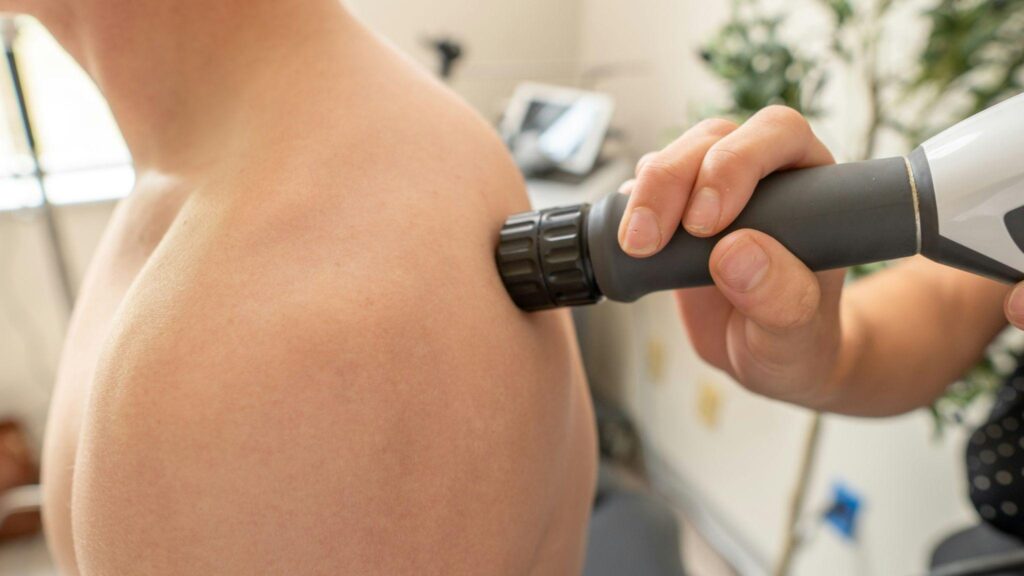
Radial shockwave therapy (RSWT) is a non-surgical treatment that uses high-energy acoustic waves to stimulate healing in damaged tissues.
These waves are delivered through a handheld device applied to the skin. The energy penetrates soft tissue, triggering biological responses that promote repair and regeneration.
Unlike injections or surgery, the treatment requires no incisions, anaesthesia, or extended recovery.
Key Features
- Non-invasive and safe
- Stimulates natural healing processes
- Improves blood circulation
- Reduces inflammation
- Breaks down calcifications
- Enhances tissue regeneration
This makes it a widely used option in physiotherapy, orthopaedics, and sports rehabilitation.
How Does Radial Shockwave Therapy Work?
The effectiveness of shockwave therapy lies in its ability to activate the body’s natural healing mechanisms.
When acoustic waves are applied to the affected area, they create controlled micro-trauma. This stimulates a healing response in tissues that have become stagnant or chronically inflamed.
Core Mechanisms
Improved Blood Flow
Shockwaves promote the formation of new blood vessels, improving oxygen and nutrient delivery to damaged tissues.
Tissue Regeneration
They activate fibroblasts, which are essential for repairing tendons, muscles, and ligaments.
Breakdown of Scar Tissue
Chronic injuries often lead to scar tissue build-up. Shockwaves help break down these adhesions, improving mobility.
Pain Reduction
The therapy reduces pain by desensitising nerve endings and lowering pain signal transmission.
Collagen Production
Increased collagen strengthens connective tissues, supporting long-term recovery.
What Conditions Can It Treat?
Radial shockwave therapy is versatile and used for a wide range of musculoskeletal conditions.
Back and Spine Issues
- Chronic lower back pain
- Muscle strain
- Facet joint irritation
- Myofascial pain syndrome
Sports Injuries
- Hamstring strain
- Quadriceps injuries
- Muscle tightness
- Overuse injuries
Tendon Disorders
- Achilles tendinopathy
- Patellar tendinitis
- Tennis elbow
- Golfer’s elbow
Foot and Heel Pain
- Plantar fasciitis
- Heel spurs
- Foot tendon injuries
Shoulder Conditions
- Rotator cuff tendinopathy
- Calcific tendinitis
- Shoulder stiffness
Its ability to target both acute and chronic conditions makes it a preferred therapy in rehabilitation settings.
Benefits of Radial Shockwave Therapy
Non-Surgical Approach
Avoids risks associated with invasive procedures.
Quick Sessions
Each session typically lasts between 10 and 20 minutes.
Minimal Downtime
Patients can usually return to normal activities immediately.
Drug-Free Treatment
Targets the source of pain rather than masking symptoms.
Long-Term Results
Supports lasting recovery by promoting natural healing.
Who Is It Suitable For?
Athletes
Helps treat repetitive strain injuries and speeds up recovery time.
Office Workers
Useful for posture-related pain, including neck and back discomfort.
Individuals with Chronic Pain
Effective for long-standing conditions such as tendonitis and plantar fasciitis.
What Happens During Treatment?
Radial shockwave therapy is a straightforward procedure.
Treatment Process
- Assessment of the affected area
- Application of gel to improve wave transmission
- Delivery of acoustic waves using a handheld device
- Session duration of 10 to 20 minutes
Some mild discomfort may be felt, but it is generally well tolerated.
How Many Sessions Are Needed?
Most treatment plans involve:
- 3 to 6 sessions
- One session per week
Chronic or severe conditions may require additional sessions for optimal results.
Are There Any Side Effects?
Shockwave therapy is considered safe, with minimal risks.
Possible Temporary Effects
- Redness
- Mild swelling
- Tenderness
- Slight soreness
These typically resolve within 24 to 48 hours.
Who Should Avoid This Treatment?
It may not be suitable for individuals who:
- Are pregnant
- Have blood clotting disorders
- Have nerve-related conditions
- Have tumours near the treatment area
A professional assessment is essential before starting treatment.
How to Improve Results
To maximise the effectiveness of treatment:
- Stay well hydrated
- Follow prescribed stretching exercises
- Avoid high-impact activities for 24 hours
- Maintain proper posture
- Combine with physiotherapy or specialist care
A combined approach often delivers the best outcomes.
Why Is It Becoming So Popular?
Radial shockwave therapy is increasingly preferred because it offers:
- Effective pain relief without surgery
- Faster recovery times
- Minimal disruption to daily life
- Long-lasting results
- A natural healing approach
It provides a balance between convenience and clinical effectiveness.
Radial Shockwave Therapy at Proback
At Proback, treatment focuses on addressing both symptoms and underlying causes of pain.
Radial shockwave therapy is often combined with:
- regenerative injection therapy
- Spinal decompression
- Postural correction
- Rehabilitation exercises
- Advanced pain therapies
This integrated approach supports faster recovery and improved long-term outcomes.
When Should You Consider It?
You may benefit from radial shockwave therapy if:
- Pain has persisted for several weeks or months
- Other treatments have not been effective
- You want to avoid surgery
- You are recovering from a sports injury
- You want to restore mobility and function
Early intervention can prevent minor issues from becoming chronic conditions.
Final Verdict
So, does radial shockwave therapy work?
For many individuals, it is a highly effective treatment for reducing pain and promoting healing, especially in chronic and hard-to-treat conditions. While results can vary, its non-invasive nature and strong clinical outcomes make it a valuable option in modern pain management.
If you are experiencing persistent pain or limited mobility, seeking professional advice can help determine whether this therapy is right for you.