


What Is the Cost of Shock Wave Therapy?
Shock wave therapy has become one of the most talked-about non-surgical treatments in the UK for chronic pain, tendon injuries, musculoskeletal conditions, and erectile dysfunction. Whether you are suffering from plantar fasciitis, tennis elbow, shoulder pain, or sports injuries, many patients now ask the same important question: what is the cost of shock wave therapy in the UK?
The answer depends on several factors including the clinic location, type of shock wave treatment, number of sessions required, and the condition being treated. In cities such as London, prices can differ significantly between private physiotherapy clinics, sports medicine centres, and specialist pain management providers.
This comprehensive guide explains everything you need to know about shock wave therapy pricing in the UK, including average costs, treatment packages, NHS availability, hidden charges, and how mobile healthcare services are changing patient access to treatment.
If you are also looking for professional at-home medical support, many patients combine rehabilitation treatments with services like private injections and home nursing care from providers such as Proback for added convenience and continuity of care.
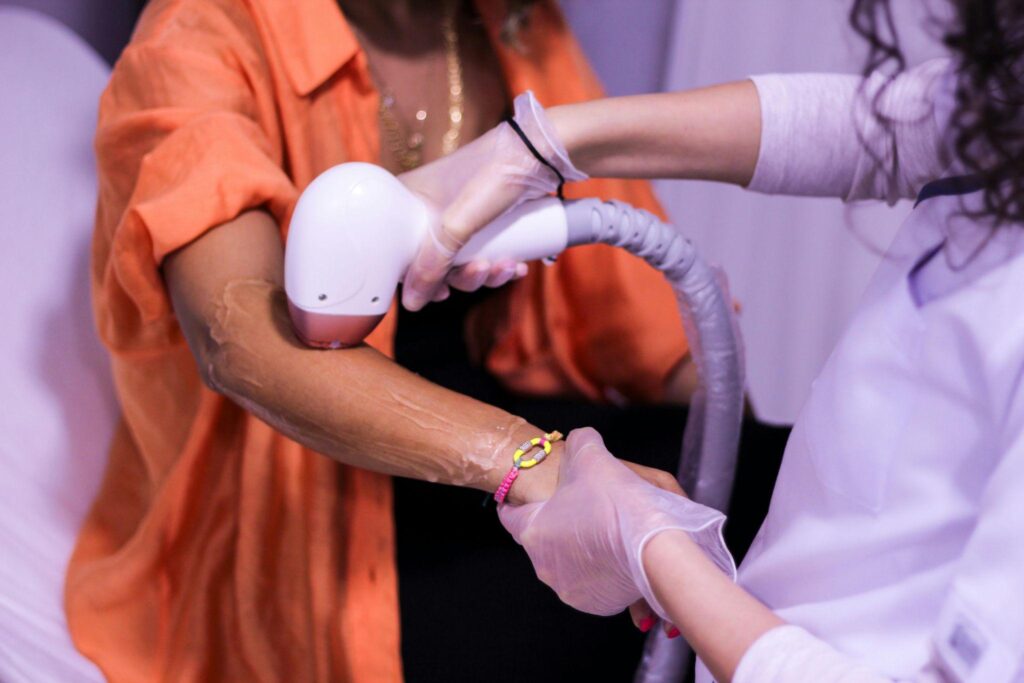
What Is Shock Wave Therapy?
Shock wave therapy, also known as Extracorporeal Shock Wave Therapy (ESWT), is a non-invasive treatment that uses acoustic waves to stimulate healing in injured tissues.
It is commonly used for:
- Plantar fasciitis
- Achilles tendinopathy
- Tennis elbow
- Shoulder calcification
- Knee tendon pain
- Hip pain
- Chronic muscle injuries
- Erectile dysfunction (in some clinics)
- Sports rehabilitation
The treatment works by increasing blood circulation, stimulating collagen production, and encouraging the body’s natural healing response.
Many UK physiotherapists and orthopaedic specialists recommend shock wave therapy when conventional physiotherapy or pain medication has not delivered long-term results.
Average Cost of Shock Wave Therapy in the UK
The average cost of shock wave therapy in the UK typically ranges between:
| Treatment Type | Average Cost Per Session |
| Standard Physiotherapy Shock Wave Therapy | £60 – £120 |
| Specialist Sports Injury Clinics | £90 – £150 |
| London Private Clinics | £100 – £250 |
| Erectile Dysfunction Shock Wave Therapy | £150 – £400 |
| Package of 3–6 Sessions | £250 – £900 |
Most patients require between 3 and 6 sessions depending on the severity and duration of the condition.
Why Is Shock Wave Therapy Expensive?
Many patients wonder why shock wave therapy costs more than standard physiotherapy appointments.
The price reflects several factors:
Advanced Medical Equipment
Shock wave therapy machines are highly specialised medical devices costing thousands of pounds. Clinics invest heavily in:
- Focused shock wave systems
- Radial shock wave technology
- Ultrasound-guided devices
- Maintenance and calibration
Specialist Training
Only trained physiotherapists, sports medicine doctors, and pain specialists can safely administer treatment.
Evidence-Based Rehabilitation
Clinics often combine shock wave therapy with:
- Rehabilitation exercises
- Biomechanical assessments
- Sports therapy
- Strength programmes
- Post-treatment recovery plans
This integrated approach improves outcomes but increases treatment costs.
How Much Does Shock Wave Therapy Cost in London?
London typically has the highest shock wave therapy prices in the UK.
Average London prices include:
| London Clinic Type | Typical Cost |
| Physiotherapy Clinic | £90 – £140 |
| Harley Street Specialist | £150 – £300 |
| Sports Injury Centre | £100 – £180 |
| ED Shockwave Clinics | £200 – £400 |
Factors affecting London pricing include:
- Clinic reputation
- Central London location
- Consultant-led treatment
- Same-day appointments
- Advanced imaging support
Patients seeking home-based recovery support after treatment often prefer combining clinic care with mobile nursing services and home visit healthcare providers.
Is Shock Wave Therapy Available on the NHS?
Yes, but availability is limited.
Some NHS trusts provide shock wave therapy for conditions such as:
- Chronic plantar fasciitis
- Achilles tendinopathy
- Calcific shoulder tendinitis
However, many patients face:
- Long waiting lists
- Strict eligibility criteria
- Limited treatment sessions
As a result, thousands of UK patients choose private treatment for faster access.
How Many Sessions of Shock Wave Therapy Are Needed?
Most clinicians recommend:
- 3 sessions for mild conditions
- 4–6 sessions for chronic injuries
- Maintenance sessions for recurring pain
Sessions are usually spaced:
- Once weekly
- Every 7–10 days
Patients often notice improvement after the second or third session, although healing can continue for several weeks.
Conditions Treated With Shock Wave Therapy
Plantar Fasciitis
One of the most common reasons for treatment in the UK.
Symptoms include:
- Heel pain
- Morning foot stiffness
- Pain after walking
Average treatment cost:
£250–£600 for a full course.
Tennis Elbow
Shock wave therapy is widely used when rest and physiotherapy fail.
Average UK pricing:
£70–£130 per session.
Achilles Tendinopathy
Popular among runners and athletes.
Many sports rehabilitation clinics combine:
- Shock wave therapy
- Strength training
- Biomechanical correction
Shoulder Calcification
Focused shock waves can help break down calcium deposits and improve mobility.
Private treatment in London may cost:
£150–£250 per session.
Is Shock Wave Therapy Worth the Cost?
For many patients, yes.
Benefits include:
- Non-surgical treatment
- Minimal downtime
- Faster recovery
- Drug-free pain management
- Reduced inflammation
- Improved mobility
Studies suggest shock wave therapy can significantly improve chronic tendon pain when combined with rehabilitation exercises.
For active individuals and athletes, avoiding surgery may justify the investment.
What Affects the Cost of Shock Wave Therapy?
Several important factors influence pricing.
Clinic Location
London clinics charge more than regional UK practices.
Practitioner Experience
Consultant-led clinics and sports medicine experts typically charge higher fees.
Technology Used
Focused shock wave therapy systems are generally more expensive than radial systems.
Number of Sessions
Buying treatment packages often reduces the overall cost per session.
Additional Services
Some clinics include:
- Ultrasound scans
- Physiotherapy assessments
- Exercise programmes
- Follow-up reviews
Radial vs Focused Shock Wave Therapy Costs
Radial Shock Wave Therapy
Usually cheaper.
Best for:
- Surface-level tendon injuries
- General musculoskeletal pain
Average UK cost:
£60–£100 per session.
Focused Shock Wave Therapy
More advanced and targeted.
Best for:
- Deep tissue injuries
- Chronic conditions
- Complex tendon problems
Average UK cost:
£120–£250 per session.
Are There Hidden Costs?
Before booking treatment, ask clinics whether the following are included:
- Initial consultation fees
- Follow-up reviews
- Imaging scans
- Physiotherapy exercises
- VAT charges
- Cancellation policies
Some clinics advertise low prices but charge separately for assessments.
Can Private Health Insurance Cover Shock Wave Therapy?
Some UK insurers may cover treatment if prescribed by a specialist.
Coverage varies between providers such as:
- Bupa
- AXA Health
- Aviva
- WPA
Patients should confirm:
- Number of covered sessions
- Approved clinics
- Referral requirements
Shock Wave Therapy for Erectile Dysfunction Cost
Low-intensity shock wave therapy is increasingly marketed for erectile dysfunction treatment.
Average UK pricing:
| Treatment Package | Average Price |
| Single Session | £150 – £400 |
| Full Treatment Course | £1,000 – £3,000 |
Prices vary depending on:
- Clinic reputation
- Number of sessions
- Technology used
- London vs regional clinics
Patients should always choose medically qualified providers.
Does Shock Wave Therapy Hurt?
Most patients describe the treatment as:
- Uncomfortable
- Mildly painful
- Manageable
Pain levels depend on:
- Injury severity
- Treatment intensity
- Body area treated
Sessions usually last:
15–30 minutes.
No anaesthetic is typically required.
Recovery After Shock Wave Therapy
Recovery advice usually includes:
- Avoiding high-impact exercise for 48 hours
- Following physiotherapy guidance
- Gentle stretching
- Staying hydrated
Many patients combine ongoing rehabilitation with home healthcare services for additional recovery support.
Private Nurse Home Visits in London, UK
Patients managing injuries, rehabilitation, or ongoing treatment often benefit from professional home healthcare support.
Services available through private nursing providers include:
- Injection administration
- Medication support
- Post-treatment monitoring
- Mobility assistance
- Elderly care
- Chronic illness management
For patients seeking convenience and personalised care, mobile nursing services are becoming increasingly popular across London and the UK.
Why Patients Choose Home Visit Nurses
Benefits include:
- No travel required
- Faster appointments
- Reduced clinic waiting times
- Greater comfort at home
- Flexible scheduling
- Professional medical care
Many London residents now book at-home nurse appointments for convenience, especially after physiotherapy or pain management procedures.
Professional providers like Proback Private Nursing Services offer mobile nurse appointments and healthcare home visits across London, helping patients access quality care in familiar surroundings.
Is Shock Wave Therapy Safe?
Shock wave therapy is generally considered safe when performed by trained professionals.
Possible side effects include:
- Mild swelling
- Temporary soreness
- Bruising
- Skin redness
Serious complications are rare.
However, treatment may not be suitable for:
- Pregnant patients
- People with blood clotting disorders
- Patients with infections
- Certain nerve disorders
Always seek a professional assessment first.
Questions to Ask Before Booking Shock Wave Therapy
Before choosing a clinic, ask:
- How many sessions will I need?
- What type of shock wave technology is used?
- Is the consultation included?
- Are the clinicians medically qualified?
- What success rates do you see for my condition?
- Are rehabilitation exercises included?
- Is there aftercare support?
How to Choose the Best Shock Wave Therapy Clinic in the UK
Look for Clinical Expertise
Choose providers with:
- HCPC-registered physiotherapists
- Sports medicine specialists
- Orthopaedic experience
Check Patient Reviews
Positive patient outcomes matter.
Look for reviews mentioning:
- Pain reduction
- Improved mobility
- Professional care
- Transparent pricing
Compare Treatment Plans
Avoid choosing based solely on low prices.
Quality rehabilitation programmes often provide better long-term value.
Alternatives to Shock Wave Therapy
Depending on your condition, alternatives may include:
- Physiotherapy
- Corticosteroid injections
- PRP injections
- Surgery
- Acupuncture
- Dry needling
- Exercise rehabilitation
Your clinician can recommend the best option.
Frequently Asked Questions
What is the average cost of shock wave therapy in the UK?
Most UK clinics charge between £60 and £150 per session, although specialist London clinics may charge more.
How many shock wave therapy sessions are needed?
Most patients require between 3 and 6 sessions depending on the condition.
Is shock wave therapy covered by insurance?
Some private health insurers may cover treatment if prescribed by a specialist.
Is shock wave therapy painful?
The treatment can feel uncomfortable but is usually tolerable and quick.
Does shock wave therapy really work?
Research suggests it can be highly effective for chronic tendon injuries and musculoskeletal pain when combined with rehabilitation.
Can I get shock wave therapy on the NHS?
Some NHS trusts offer treatment, but waiting lists and eligibility criteria vary.
Shock wave therapy has become one of the UK’s most popular non-surgical treatments for chronic pain, tendon injuries, and sports rehabilitation. While treatment costs can vary widely, many patients see it as a worthwhile investment in faster recovery and long-term pain relief.
In London, prices are typically higher due to specialist expertise and clinic demand, but treatment packages can help reduce overall costs.
For patients recovering at home or needing additional healthcare support, mobile nursing and private home visit services are also becoming an essential part of modern healthcare delivery. Providers such as Proback UK Home Healthcare Services help patients access professional nursing care, injections, and home visits throughout London and surrounding areas.
Whether you are considering shock wave therapy for plantar fasciitis, tendon injuries, or rehabilitation support, understanding the costs, treatment options, and aftercare services can help you make a confident and informed healthcare decision.
Understanding Long-Term Value vs Initial Cost
When evaluating the cost of shock wave therapy, many patients focus only on the upfront price per session. However, healthcare professionals often encourage patients to look at the long-term value rather than the immediate expense.
For example, chronic tendon pain or untreated plantar fasciitis can lead to:
- Reduced mobility
- Time off work
- Ongoing medication use
- Repeated GP visits
- Poor sleep quality
- Reduced exercise and fitness levels
In many cases, successful shock wave therapy may reduce the need for:
- Steroid injections
- Long-term painkillers
- Surgical procedures
- Frequent physiotherapy appointments
This is one reason why sports medicine experts across the UK increasingly recommend shock wave therapy for persistent musculoskeletal conditions.
Shock Wave Therapy vs Surgery Cost Comparison
One of the biggest reasons patients explore shock wave therapy is to avoid surgery.
Here is a general comparison:
| Treatment Option | Typical UK Cost | Recovery Time |
| Shock Wave Therapy | £250 – £900 | Minimal downtime |
| Private Orthopaedic Surgery | £4,000 – £15,000+ | Weeks to months |
| Steroid Injection | £150 – £500 | Short-term relief |
| Physiotherapy Course | £300 – £1,200 | Ongoing |
Although shock wave therapy is not suitable for every condition, it may offer a cost-effective alternative before considering surgery.
Who Benefits Most From Shock Wave Therapy?
Shock wave therapy is commonly recommended for:
Athletes and Runners
Sports-related overuse injuries respond particularly well when treatment is started early.
Common issues include:
- Runner’s knee
- Achilles pain
- Shin splints
- Tennis elbow
Office Workers
Sedentary lifestyles and repetitive strain injuries often contribute to:
- Shoulder tension
- Neck pain
- Wrist pain
- Chronic tendon irritation
Older Adults
Age-related tendon degeneration may lead to chronic pain and reduced mobility.
Shock wave therapy can sometimes help improve function without surgery.
People With Chronic Pain
Patients who have struggled with pain for months or years often seek alternatives after trying:
- Painkillers
- Rest
- Standard physiotherapy
- Ice therapy
The Rise of Mobile Healthcare in London
Healthcare delivery in the UK has changed significantly over the last few years. Many patients now prefer treatment and recovery support at home rather than frequent clinic visits.
This shift has increased demand for:
- Mobile nurses
- Home injection services
- Rehabilitation support
- Elderly care visits
- Private healthcare appointments at home
In busy cities like London, convenience and accessibility are becoming major priorities for patients recovering from injury or managing long-term conditions.
Providers such as Proback Home Visit Nursing Services help bridge this gap by offering professional mobile healthcare services throughout London and surrounding areas.
Why Patients Prefer Private Nurse Home Visits
Private nurse home visits are becoming increasingly popular across the UK for several reasons.
Reduced Travel Stress
Patients recovering from pain or injury may find travelling difficult.
Home visits eliminate:
- Public transport stress
- Parking difficulties
- Waiting room delays
Personalised One-to-One Care
Home appointments often provide:
- More time with healthcare professionals
- Individual care plans
- Better continuity of treatment
Faster Appointment Availability
Private mobile nurse providers may offer same-day or next-day appointments.
Support for Elderly and Vulnerable Patients
Many families use home nursing services for elderly relatives who require:
- Injection support
- Medication administration
- Mobility assistance
- Chronic disease management
Combining Shock Wave Therapy With Rehabilitation
Experts agree that shock wave therapy works best as part of a wider rehabilitation strategy.
This may include:
- Strength training
- Mobility exercises
- Stretching programmes
- Manual therapy
- Lifestyle changes
- Weight management
- Sports rehabilitation
Clinics that combine these services often achieve better long-term patient outcomes.
How Clinics Assess Shock Wave Therapy Candidates
Before treatment begins, most providers perform a full assessment.
This typically includes:
Medical History Review
Clinicians assess:
- Pain duration
- Previous injuries
- Existing treatments
- Activity levels
Physical Examination
This helps identify:
- Pain triggers
- Mobility limitations
- Tendon weakness
- Muscle imbalances
Imaging
Some clinics may recommend:
- Ultrasound scans
- MRI imaging
- X-rays
Imaging can improve diagnostic accuracy and treatment precision.
Can Shock Wave Therapy Fail?
Although many patients experience positive outcomes, results vary.
Treatment may be less effective if:
- The diagnosis is incorrect
- Rehabilitation exercises are ignored
- The condition is extremely advanced
- Underlying biomechanical issues remain untreated
This is why expert assessment is essential before starting therapy.
How to Reduce Shock Wave Therapy Costs
Patients looking to reduce treatment expenses may consider:
Package Deals
Many clinics offer discounted multi-session packages.
Comparing Clinics
Prices vary considerably between providers.
Health Insurance Claims
Check whether your insurer contributes toward physiotherapy or rehabilitation.
Regional Clinics Outside Central London
Clinics outside major city centres may charge lower fees while still providing excellent care.
What Makes a High-Quality Shock Wave Therapy Clinic?
Not all clinics provide the same level of care.
When comparing providers, consider:
Professional Qualifications
Look for:
- HCPC registration
- Chartered physiotherapists
- Sports medicine specialists
Modern Equipment
Advanced focused shock wave machines may improve treatment precision.
Evidence-Based Treatment Plans
High-quality clinics use rehabilitation strategies supported by research.
Transparent Pricing
Trustworthy providers explain:
- Full treatment costs
- Expected number of sessions
- Additional charges
Common Misconceptions About Shock Wave Therapy
“It Works Instantly”
Healing takes time.
Many patients improve gradually over several weeks after treatment.
“One Session Is Enough”
Most chronic conditions require multiple sessions.
“It Replaces Rehabilitation”
Exercise and movement correction remain essential.
“It Is Only for Athletes”
People of all ages and activity levels may benefit from treatment.
The Future of Shock Wave Therapy in the UK
Demand for non-invasive pain treatments continues to grow rapidly.
Healthcare trends suggest increasing use of:
- Regenerative medicine
- Non-surgical rehabilitation
- Personalised recovery plans
- At-home healthcare support
- Mobile physiotherapy services
As awareness grows, more UK clinics are investing in advanced shock wave technology.
At-Home Healthcare and Recovery Support
Modern recovery is no longer limited to hospitals and clinics.
Patients increasingly combine treatments with services such as:
- Home injections
- Medication management
- Post-operative care
- Mobile nurse appointments
- Rehabilitation support
For busy professionals, elderly individuals, and patients with mobility challenges, these services can significantly improve healthcare accessibility.
Trusted providers like Proback Private Nurse London Services support patients with convenient home healthcare appointments across London and the UK.
Expert Tips Before Starting Shock Wave Therapy
Before booking treatment:
Get an Accurate Diagnosis
Pain can have multiple causes.
Always seek professional assessment before starting therapy.
Ask About Expected Outcomes
Clinicians should explain realistic recovery expectations.
Follow Rehabilitation Advice
Exercises and recovery plans are crucial for long-term success.
Avoid Choosing Based Only on Price
Cheaper clinics are not always better.
Experience and clinical expertise matter significantly.
Local Demand for Shock Wave Therapy in London
Search demand for treatments such as:
- “Shock wave therapy near me”
- “Best shock wave therapy London”
- “How much is shockwave therapy UK”
- “Private physiotherapy London”
- “Sports injury treatment London”
has increased substantially in recent years.
This reflects growing public interest in faster, non-surgical pain management solutions.
Frequently Searched Questions About Shock Wave Therapy
Is shock wave therapy covered by the NHS?
Some NHS providers offer treatment, but availability varies depending on your region and condition.
How quickly does shock wave therapy work?
Some patients notice improvement within weeks, although full healing may take several months.
Can I walk after shock wave therapy?
Yes, most patients can walk immediately after treatment, although high-impact exercise may be restricted temporarily.
Is shock wave therapy better than steroid injections?
The best option depends on the condition, severity, and patient goals. Some clinicians prefer shock wave therapy because it encourages natural healing rather than temporary symptom suppression.
Does shock wave therapy help chronic pain?
It can be effective for chronic tendon and musculoskeletal conditions, particularly when combined with physiotherapy.
Conclusion
The cost of shock wave therapy in the UK depends on several important factors including clinic location, practitioner expertise, treatment type, and the number of sessions required. While prices in London tend to be higher, many patients view the treatment as a worthwhile investment in pain relief, mobility improvement, and long-term recovery.
As non-invasive rehabilitation continues to grow in popularity, more patients are also seeking personalised healthcare solutions that fit around their lifestyle. This has increased demand for mobile healthcare services, private home visits, and professional nursing care delivered directly to patients’ homes.
Whether you are recovering from sports injuries, chronic tendon pain, mobility limitations, or ongoing rehabilitation needs, providers such as Proback UK Healthcare Services offer convenient private nursing and home healthcare support throughout London and nearby areas.
Understanding both the financial and clinical aspects of shock wave therapy allows patients to make informed decisions about their recovery journey while accessing the most appropriate treatment and aftercare support available in the UK.