


How to Improve Spinal Alignment: Expert Tips for Better Posture, Mobility, and Long-Term Spine Health
Spinal alignment plays a critical role in overall health, posture, flexibility, movement, and even energy levels. Poor spinal alignment can contribute to chronic back pain, neck stiffness, headaches, reduced mobility, poor sleep quality, and muscular imbalances that affect daily life. Whether you spend long hours sitting at a desk, lifting heavy objects, driving frequently, or living with posture-related discomfort, learning how to improve spinal alignment can significantly enhance your wellbeing.
Modern lifestyles have made spinal issues increasingly common across the UK. Sedentary working patterns, excessive screen time, poor ergonomic habits, lack of movement, and stress all contribute to spinal misalignment. Fortunately, there are practical, medically supported strategies that can help restore healthy posture and improve spinal health naturally.
This comprehensive guide explains what spinal alignment is, why it matters, common causes of poor posture, effective exercises, lifestyle changes, professional treatments, and when to seek expert support.

What Is Spinal Alignment?
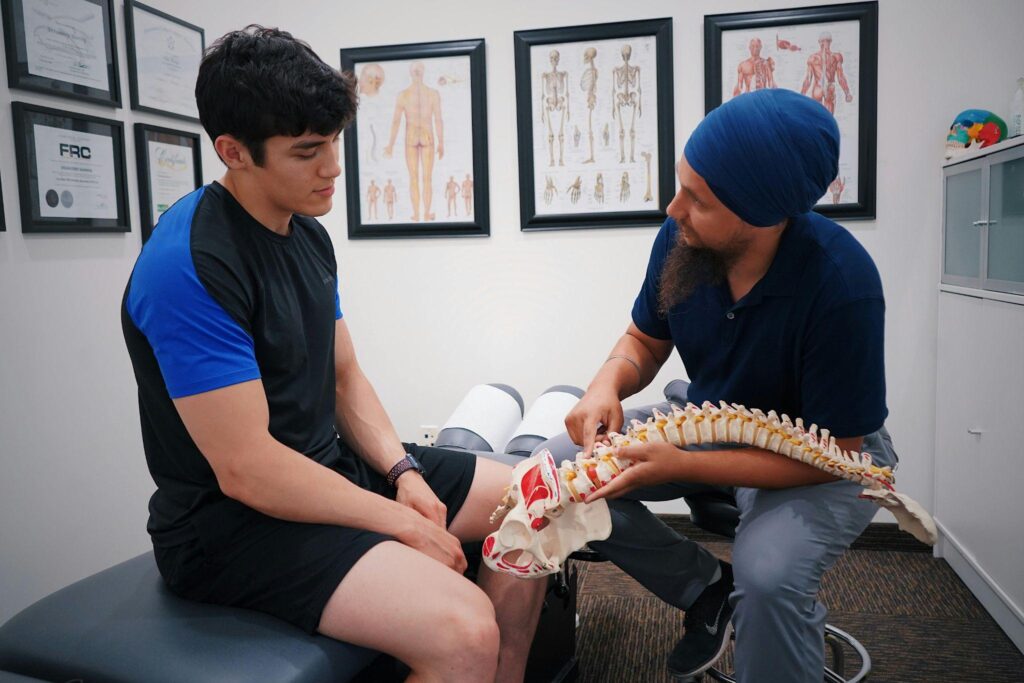
Spinal alignment refers to the correct positioning of the spine’s natural curves. A healthy spine has three natural curves:
- Cervical curve in the neck
- Thoracic curve in the upper back
- Lumbar curve in the lower back
When these curves remain balanced and properly supported, the body distributes weight efficiently, muscles function correctly, and movement becomes smoother and less painful.
Poor spinal alignment occurs when the spine shifts away from its neutral position. This can place excess pressure on joints, muscles, ligaments, and nerves, leading to discomfort and long-term musculoskeletal problems.
Why Proper Spinal Alignment Matters
Good spinal alignment affects far more than posture. It influences the body’s overall function and physical performance.
Key Benefits of Proper Spinal Alignment
Reduced Back and Neck Pain
Aligned posture reduces pressure on spinal discs and muscles, lowering the risk of chronic pain.
Improved Mobility and Flexibility
A properly aligned spine allows joints and muscles to move naturally and efficiently.
Better Breathing
Poor posture compresses the chest cavity, limiting lung expansion. Proper alignment improves breathing capacity.
Enhanced Circulation
Good posture supports healthy blood flow and reduces muscular tension.
Increased Energy Levels
Misalignment forces muscles to work harder, leading to fatigue. Proper posture improves physical efficiency.
Reduced Risk of Injury
Balanced spinal mechanics help prevent strains, muscle imbalances, and repetitive stress injuries.
Better Athletic Performance
Athletes and active individuals benefit from improved movement patterns and stability.
Common Signs of Poor Spinal Alignment
Many people do not realise their spine is misaligned until symptoms become severe.
Warning Signs Include:
- Chronic lower back pain
- Neck stiffness
- Rounded shoulders
- Forward head posture
- Uneven hips or shoulders
- Frequent headaches
- Tingling or numbness
- Reduced flexibility
- Muscle tightness
- Poor balance
- Fatigue after sitting or standing
If left untreated, poor alignment may contribute to long-term spinal degeneration and mobility limitations.
Common Causes of Spinal Misalignment
Understanding the root cause helps create a more effective long-term solution.
Sedentary Lifestyle
Extended sitting weakens core muscles and places stress on the lower back.
Poor Posture Habits
Slouching while using laptops, phones, or desks can gradually alter spinal positioning.
Lack of Exercise
Weak core and back muscles reduce spinal support.
Heavy Lifting
Improper lifting techniques can strain the spine and surrounding muscles.
Stress and Muscle Tension
Stress often causes shoulder and neck tightness, affecting posture.
Unsupportive Footwear
Poor shoes can alter body mechanics and spinal balance.
Injuries or Trauma
Accidents, falls, and sports injuries may disrupt spinal alignment.
Sleeping Position
Unsupportive mattresses and poor sleeping posture may worsen spinal problems.
Best Ways to Improve Spinal Alignment Naturally
Improving spinal alignment requires a combination of movement, strengthening, stretching, posture correction, and lifestyle adjustments.
1. Improve Your Sitting Posture
Many spinal issues begin with prolonged poor sitting habits.
Proper Sitting Position
- Keep feet flat on the floor
- Maintain knees at hip level
- Sit with shoulders relaxed
- Avoid leaning forward excessively
- Keep screens at eye level
- Support the lower back with lumbar support
Ergonomic Desk Setup Tips
- Use an adjustable chair
- Position monitors directly ahead
- Keep elbows at 90 degrees
- Avoid hunching over laptops
Regular posture awareness throughout the day can significantly improve spinal health.
2. Strengthen Core Muscles
Core muscles stabilise and support the spine.
Best Core Exercises for Spinal Alignment
Planks
Strengthen abdominal and back muscles simultaneously.
Bird-Dog Exercise
Improves balance and spinal stability.
Glute Bridges
Support pelvic alignment and lower back strength.
Dead Bugs
Enhance coordination and core activation.
Strong core muscles reduce strain on the spine and help maintain neutral posture.
3. Stretch Tight Muscles Regularly
Tight muscles can pull the spine out of alignment.
Important Stretches Include
Chest Stretch
Counteracts rounded shoulders.
Hip Flexor Stretch
Relieves tension caused by prolonged sitting.
Hamstring Stretch
Improves pelvic positioning.
Cat-Cow Stretch
Enhances spinal mobility and flexibility.
Child’s Pose
Gently decompresses the spine.
Daily stretching improves movement quality and posture control.
4. Practise Proper Standing Posture
Standing incorrectly for long periods can worsen spinal issues.
Correct Standing Alignment
- Keep ears aligned with shoulders
- Engage core muscles lightly
- Distribute weight evenly on both feet
- Avoid locking knees
- Relax shoulders naturally
Good standing posture reduces muscular fatigue and spinal stress.
5. Sleep in a Spine-Friendly Position
Poor sleeping posture can undo daytime progress.
Best Sleeping Positions
Back Sleeping
Supports neutral spinal alignment.
Side Sleeping
Place a pillow between the knees to maintain hip alignment.
Avoid
- Sleeping on the stomach
- Extremely soft mattresses
- Unsupportive pillows
A medium-firm mattress typically provides better spinal support.
6. Stay Physically Active
Movement is essential for spinal health.
Beneficial Activities
- Walking
- Swimming
- Pilates
- Yoga
- Cycling with proper posture
- Resistance training
Regular exercise strengthens muscles that stabilise the spine and improves flexibility.
7. Reduce Smartphone and Screen Strain
“Tech neck” has become increasingly common due to excessive phone use.
Prevention Tips
- Hold screens at eye level
- Avoid bending the neck downward for long periods
- Take frequent movement breaks
- Stretch the neck and shoulders regularly
Reducing screen-related posture strain helps protect cervical spine alignment.
8. Maintain a Healthy Weight
Excess body weight increases pressure on the spine and joints.
Healthy nutrition and regular activity help reduce inflammation and spinal strain.
9. Wear Supportive Footwear
Feet influence overall body mechanics.
Choose Shoes That:
- Provide arch support
- Offer proper cushioning
- Maintain natural walking alignment
Poor footwear may contribute to knee, hip, and spinal problems.
10. Consider Professional Posture Assessment
Persistent symptoms may require professional evaluation.
Healthcare professionals can identify structural imbalances and recommend targeted treatment plans.
Can Specialist Care Help Spinal Alignment?
Many people seek specialist care to address posture-related discomfort and spinal restrictions.
regenerative injection therapy may help:
- Improve joint mobility
- Reduce muscular tension
- Support posture correction
- Relieve certain types of back pain
However, regenerative treatment should be performed by qualified professionals and integrated with exercise and lifestyle improvements for best results.
Does Yoga Improve Spinal Alignment?
Yoga is widely recognised for its benefits in posture correction and flexibility.
Helpful Yoga Poses Include
- Mountain Pose
- Cobra Pose
- Downward Dog
- Cat-Cow
- Warrior Poses
- Bridge Pose
Yoga improves body awareness, spinal mobility, and muscular balance when practised consistently.
How Long Does It Take to Improve Spinal Alignment?
The timeline varies depending on:
- Severity of misalignment
- Lifestyle habits
- Exercise consistency
- Muscle strength
- Existing medical conditions
Minor posture improvements may occur within weeks, while long-term correction often requires several months of consistent effort.
When to Seek Medical Help
Some spinal issues require professional assessment.
Seek Medical Advice If You Experience:
- Severe or worsening pain
- Numbness or tingling
- Loss of bladder or bowel control
- Difficulty walking
- Persistent headaches
- Radiating pain into arms or legs
A healthcare professional can assess underlying spinal conditions and recommend appropriate treatment.
Role of Mobile Nursing and Home Healthcare Support in Spine Recovery
Individuals recovering from spinal injuries, chronic pain, injections, mobility limitations, or post-surgical treatment may benefit from professional at-home healthcare services.
Patients across London increasingly prefer private home healthcare due to convenience, personalised care, and reduced travel strain.
Benefits of Home Nursing Support
- Comfortable recovery environment
- Reduced stress and travel
- Personalised one-to-one care
- Medication administration
- Injection services at home
- Mobility support
- Elderly care assistance
- Rehabilitation monitoring
For individuals needing professional nursing assistance, injections, or ongoing home visits, experienced mobile healthcare providers offer flexible support tailored to patient needs.
You can explore professional home healthcare and mobile nursing services through Proback, which provides private nurse appointments, home visits, and injection services across London, UK.
Private Nurse for Injection & Home Visit Near London, UK – Book Mobile Nurse Appointment
Access to reliable home healthcare services has become increasingly important across London and surrounding areas. Many patients now prefer receiving nursing care in the comfort of their homes rather than travelling to clinics or hospitals.
What Does a Private Mobile Nurse Do?
Private nurses provide professional healthcare support outside traditional hospital settings.
Common Services Include
- Injection administration
- Medication management
- Wound care
- Elderly support
- Post-operative care
- Health monitoring
- Mobility assistance
- Chronic condition support
Mobile nurses bring healthcare directly to patients, improving accessibility and convenience.
Benefits of Booking a Home Visit Nurse in London
Convenience
Avoid travelling while recovering or managing mobility issues.
Personalised Care
Receive dedicated one-to-one nursing attention.
Flexible Scheduling
Appointments are available at convenient times.
Reduced Exposure
Home visits minimise exposure to crowded healthcare settings.
Comfort and Privacy
Patients often feel more relaxed receiving treatment at home.
Who May Benefit From Mobile Nursing Care?
Home nursing services may benefit:
- Elderly individuals
- Post-surgery patients
- People with mobility limitations
- Busy professionals
- Individuals requiring regular injections
- Patients managing chronic conditions
Home Injection Services Near London
Injection services at home are increasingly popular among patients requiring regular medication administration.
Common Home Injection Services
- Vitamin injections
- Prescription medication injections
- Hormonal treatments
- Chronic illness medication support
Qualified nurses ensure safe administration and patient monitoring.
Choosing the Right Private Nursing Provider
When selecting a home healthcare provider, consider:
- Professional qualifications
- Clinical experience
- Availability
- Patient reviews
- Care standards
- Flexible appointment options
Trusted providers prioritise patient safety, comfort, and personalised support.
Daily Habits That Support Better Spinal Alignment
Small daily changes often produce long-term improvements.
Healthy Spine Habits
- Take regular movement breaks
- Stretch every day
- Avoid prolonged sitting
- Use ergonomic furniture
- Lift objects safely
- Stay hydrated
- Maintain physical activity
- Practise posture awareness
Consistency matters more than occasional intensive effort.
Best Foods for Spine and Joint Health
Nutrition supports spinal tissues, muscles, and bone health.
Important Nutrients Include
Calcium
Supports bone density.
Vitamin D
Helps calcium absorption.
Magnesium
Supports muscle and nerve function.
Omega-3 Fatty Acids
Help reduce inflammation.
Protein
Essential for muscle repair and recovery.
A balanced diet contributes to stronger musculoskeletal health.
Frequently Asked Questions About Spinal Alignment
Can poor posture permanently damage the spine?
Long-term poor posture may contribute to chronic pain, disc degeneration, and muscular imbalances if left untreated.
What is the fastest way to improve posture?
Combining daily stretching, strengthening exercises, ergonomic corrections, and posture awareness produces the best results.
Can walking improve spinal alignment?
Yes. Walking strengthens supportive muscles, improves circulation, and encourages better posture.
Is spinal alignment linked to headaches?
Yes. Neck tension and poor posture can contribute to tension headaches and migraines.
Can spinal alignment improve breathing?
Proper posture allows the lungs and diaphragm to function more efficiently.
Are posture correctors effective?
Posture braces may provide temporary support, but long-term improvement requires muscle strengthening and habit correction.
Does sleeping position affect alignment?
Yes. Poor sleeping posture may worsen neck and back discomfort over time.
Can stress affect posture?
Stress often causes muscular tension in the neck and shoulders, contributing to poor posture.
Improving spinal alignment requires a holistic approach that combines posture awareness, movement, strengthening, stretching, proper sleep habits, and healthy lifestyle choices. Small daily improvements can lead to major long-term benefits in mobility, comfort, posture, and overall physical wellbeing.
Whether you are addressing mild posture issues or managing chronic discomfort, consistent habits are essential for maintaining spinal health. Seeking professional support when needed can also accelerate recovery and reduce complications.
For individuals in London requiring personalised home healthcare, injection services, or private nursing support, trusted mobile healthcare providers such as Proback offer convenient at-home nursing care designed around patient comfort and professional medical standards.
By prioritising spinal health today, you can improve mobility, reduce pain, and support long-term physical wellbeing for years to come.
Advanced Strategies to Maintain Long-Term Spinal Alignment
While exercises and posture improvements are essential, long-term spinal health also depends on sustainable lifestyle habits, workplace ergonomics, recovery routines, and preventative care. Many people temporarily improve their posture only to return to unhealthy habits that recreate muscular imbalances and spinal stress.
Creating a spine-friendly lifestyle is one of the most effective ways to maintain alignment naturally and prevent recurring pain.
The Connection Between Core Stability and Spinal Alignment
Core stability is often misunderstood as simply having strong abdominal muscles. In reality, the core includes multiple muscle groups that support the spine, pelvis, and torso.
Muscles That Support Spinal Stability
- Transverse abdominis
- Obliques
- Pelvic floor muscles
- Multifidus muscles
- Gluteal muscles
- Diaphragm
When these muscles function correctly together, they stabilise the spine during movement and reduce excessive pressure on spinal discs.
Why Weak Core Muscles Cause Misalignment
Weak stabilising muscles force the body to compensate during everyday activities such as walking, lifting, sitting, and bending. Over time, this compensation can lead to:
- Lower back pain
- Pelvic tilt
- Rounded shoulders
- Neck strain
- Hip imbalance
Improving core strength is therefore one of the most important aspects of posture correction and spinal health.
How Breathing Affects Spinal Posture
Breathing mechanics are closely connected to posture and spinal alignment.
Many people with poor posture develop shallow chest breathing patterns, which increase tension in the neck and shoulders.
Benefits of Proper Diaphragmatic Breathing
- Reduces muscular tension
- Improves core activation
- Enhances spinal stability
- Supports relaxation
- Improves oxygen delivery
Simple Deep Breathing Exercise
- Sit or lie comfortably
- Place one hand on the chest and one on the stomach
- Inhale deeply through the nose
- Allow the stomach to expand
- Exhale slowly through the mouth
Practising diaphragmatic breathing daily can improve posture awareness and muscular relaxation.
Best Workplace Ergonomics for Spinal Alignment
Office workers across the UK increasingly suffer from posture-related problems due to prolonged desk work.
Ideal Ergonomic Desk Setup
Monitor Height
The top of the screen should sit at eye level to prevent forward head posture.
Chair Support
Use a chair with lumbar support to maintain the natural curve of the lower back.
Keyboard and Mouse Placement
Keep elbows close to the body at roughly 90 degrees.
Foot Position
Feet should remain flat on the floor or on a footrest.
Movement Breaks
Stand, stretch, or walk every 30 to 60 minutes.
Proper workplace ergonomics can significantly reduce spinal strain and muscular fatigue.
How Stress Impacts Spinal Alignment
Emotional stress frequently contributes to poor posture.
Common Stress-Related Posture Problems
- Tight shoulders
- Forward head posture
- Jaw clenching
- Upper back tension
- Reduced mobility
Chronic stress keeps muscles in a constant state of tension, particularly around the neck and shoulders.
Stress Management Techniques for Better Posture
- Meditation
- Deep breathing exercises
- Regular walking
- Yoga
- Stretching routines
- Adequate sleep
Reducing stress improves muscular relaxation and posture control.
The Importance of Mobility Training
Mobility differs from flexibility. Flexibility refers to muscle length, while mobility refers to controlled joint movement.
Good spinal mobility helps the body move efficiently without compensation or strain.
Effective Mobility Exercises
Thoracic Rotations
Improve upper back mobility.
Hip Openers
Support pelvic and lumbar alignment.
Shoulder Mobility Drills
Reduce rounded shoulders and neck strain.
Spinal Twists
Enhance rotational movement and flexibility.
Mobility work should be integrated into regular exercise routines for long-term spinal health.
How Poor Foot Mechanics Affect the Spine
The body functions as a connected kinetic chain. Problems in the feet can influence posture higher up in the body.
Common Foot Issues Linked to Poor Alignment
- Flat feet
- Overpronation
- High arches
- Poor walking mechanics
These issues may contribute to:
- Knee pain
- Hip imbalance
- Lower back discomfort
Supportive footwear and professional gait assessments may help improve overall posture and movement patterns.
Importance of Hydration for Spinal Health
Spinal discs require hydration to maintain cushioning and flexibility.
Benefits of Proper Hydration
- Supports disc health
- Improves tissue recovery
- Enhances joint lubrication
- Reduces muscle cramps
Dehydration may contribute to stiffness and reduced spinal flexibility.
Can Poor Spinal Alignment Affect Digestion?
Yes. Slouched posture may compress abdominal organs and interfere with digestion.
Possible Digestive Effects of Poor Posture
- Acid reflux
- Bloating
- Slower digestion
- Abdominal discomfort
Maintaining upright posture after meals may support healthier digestive function.
How Ageing Impacts Spinal Alignment
Age-related spinal changes are common, but healthy habits can slow progression.
Common Ageing-Related Changes
- Reduced disc hydration
- Muscle loss
- Joint stiffness
- Reduced bone density
Prevention Strategies
- Strength training
- Balance exercises
- Regular stretching
- Good nutrition
- Active lifestyle habits
Remaining physically active is one of the best ways to support spinal health as you age.
Benefits of Physiotherapy for Spinal Alignment
Physiotherapy is commonly recommended for posture correction and rehabilitation.
Physiotherapy May Help With:
- Chronic back pain
- Sports injuries
- Sciatica
- Neck pain
- Mobility restrictions
- Post-surgical rehabilitation
Physiotherapists design personalised exercise programmes that target specific muscular imbalances and movement dysfunctions.
The Role of Massage Therapy in Spinal Health
Massage therapy may help reduce muscular tension associated with poor posture.
Potential Benefits Include
- Improved circulation
- Reduced muscle tightness
- Stress reduction
- Better mobility
- Temporary pain relief
Massage is often most effective when combined with strengthening and posture correction strategies.
How Weight Training Supports Spinal Alignment
Resistance training can significantly improve posture and spinal support when performed correctly.
Best Strength Exercises for Posture
Rows
Strengthen upper back muscles.
Deadlifts
Improve posterior chain strength.
Squats
Enhance core and lower body stability.
Face Pulls
Help correct rounded shoulders.
Farmer’s Carries
Improve spinal stability and posture endurance.
Proper technique is essential to avoid injury and maximise benefits.
Can Children and Teenagers Develop Poor Spinal Alignment?
Yes. Increasing screen time and reduced physical activity are contributing to posture issues in younger age groups.
Common Signs in Children
- Slouching
- Rounded shoulders
- Neck strain
- Backpack-related discomfort
Encouraging active lifestyles and ergonomic study habits can help support healthy spinal development.
The Link Between Spinal Alignment and Sleep Quality
Pain and muscular tension caused by poor posture often interfere with sleep.
Ways Better Alignment Improves Sleep
- Reduces discomfort
- Supports muscle relaxation
- Improves breathing
- Enhances circulation
Investing in supportive mattresses and pillows can improve both spinal health and sleep quality.
Posture Correction Myths Debunked
Myth 1: Good Posture Means Standing Stiffly
Correct posture should feel natural and relaxed, not rigid.
Myth 2: Posture Braces Permanently Fix Alignment
Braces provide temporary support but do not replace muscular strengthening.
Myth 3: Back Pain Always Means Structural Damage
Many cases of back pain result from muscular imbalances and movement dysfunction rather than serious injury.
Myth 4: Rest Is the Best Treatment for Back Pain
Excessive inactivity can worsen stiffness and weakness. Controlled movement is often beneficial.
Building a Daily Spinal Alignment Routine
Consistency creates lasting results.
Example Daily Routine
Morning
- Gentle stretching
- Core activation exercises
- Posture awareness
During Work
- Ergonomic sitting
- Hourly movement breaks
- Neck and shoulder stretches
Evening
- Walking or light exercise
- Foam rolling
- Relaxation and breathing exercises
Simple habits performed consistently often produce significant improvements over time.
Why Home Healthcare Services Are Growing Across London
Many individuals recovering from spinal conditions, chronic pain, mobility limitations, or post-treatment procedures prefer healthcare delivered directly at home.
Home healthcare services provide convenience, comfort, and personalised support without the need for frequent clinic visits.
Advantages of At-Home Nursing Care
- Reduced travel-related discomfort
- Greater comfort during recovery
- Flexible scheduling
- One-to-one patient attention
- Professional medical assistance at home
For patients requiring injections, medication support, mobility care, or ongoing nursing assistance, mobile healthcare services offer a practical and efficient solution.
Professional home healthcare providers such as Proback offer private nursing services, home visits, and mobile nurse appointments across London, UK.
How Mobile Nurses Support Patients With Mobility Challenges
Individuals with spinal pain or limited mobility may struggle to attend regular appointments.
Mobile Nurses Can Assist With:
- Medication administration
- Home injections
- Recovery monitoring
- Mobility support
- Elderly care
- Post-operative assistance
Receiving care at home often reduces physical strain and improves patient comfort.
Private Nurse Home Visits in London, UK
Private nursing services are increasingly popular among patients seeking convenient healthcare solutions.
Reasons Patients Choose Home Nurse Appointments
- Avoid waiting rooms
- Flexible appointment scheduling
- Personalised care experience
- Faster access to healthcare support
- Comfort and privacy
Home visits are particularly valuable for elderly patients, individuals with chronic conditions, and those recovering from surgery or injury.
Conclusion
Improving spinal alignment is one of the most effective ways to enhance posture, mobility, comfort, and long-term physical wellbeing. Poor posture and spinal imbalance can affect nearly every aspect of daily life, from movement and energy levels to sleep quality and chronic pain risk.
Fortunately, consistent lifestyle improvements such as regular exercise, core strengthening, ergonomic adjustments, stretching, and posture awareness can dramatically improve spinal health over time.
Individuals recovering from injuries, managing chronic pain, or requiring professional healthcare support may also benefit from trusted home nursing services. Providers such as Proback offer private nurse appointments, mobile injection services, and personalised home healthcare across London, UK.
Taking proactive steps today can help support a stronger, healthier spine and improve overall quality of life for years to come.