

K-Laser Therapy: How It Reduces Pain, Speeds Healing & Full Price Guide
K-Laser Therapy: How It Reduces Pain, Speeds Healing
K-Laser therapy has become a popular, non-invasive treatment for musculoskeletal pain, soft tissue injuries, and chronic inflammation. For those seeking modern, effective solutions in London, understanding how Proback clinics use K-Laser therapy can help you decide if it is the right option for your condition.
What Is K-Laser Therapy?
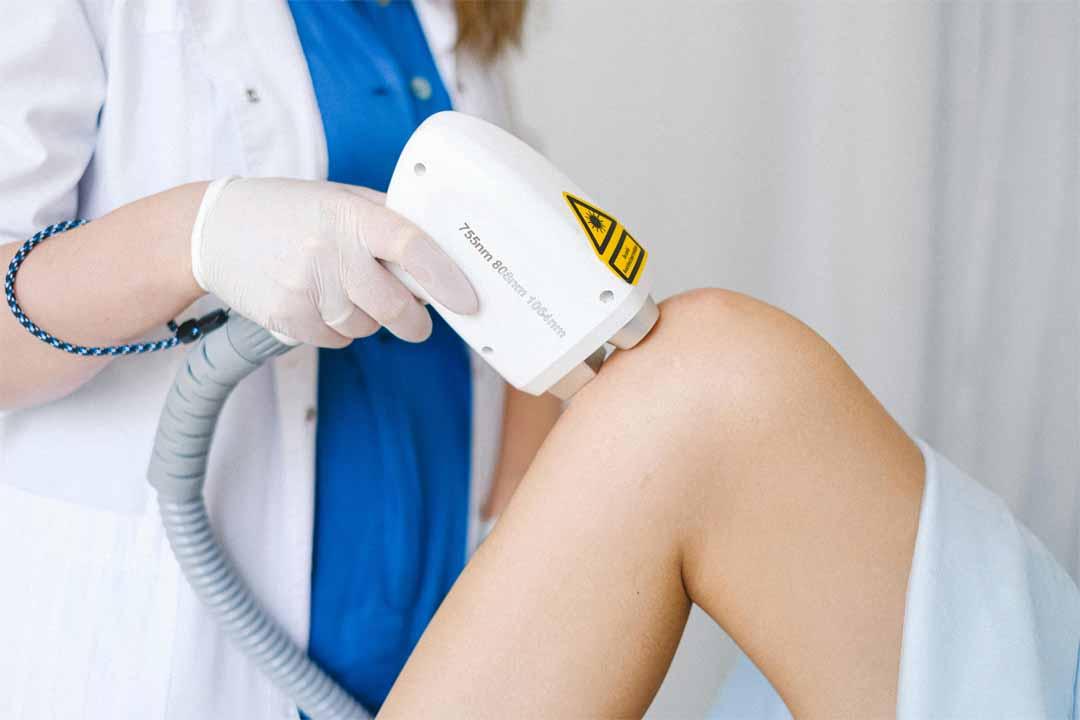
K-Laser therapy, also known as Class IV laser therapy, uses specific wavelengths of light to penetrate deep into tissues. This stimulates cellular repair, reduces inflammation, and improves blood flow, promoting natural healing.
Unlike general physiotherapy or over-the-counter treatments, K-Laser therapy targets the root cause of pain at a cellular level, which makes it especially effective for chronic neck and back pain, joint issues, and sports injuries.
How K-Laser Therapy Works
K-Laser therapy works through photobiomodulation, a process in which laser light stimulates cells to produce energy and reduce oxidative stress. Key benefits include:
- Accelerated tissue repair
- Reduced inflammation and swelling
- Pain relief without drugs or invasive procedures
- Improved range of motion and flexibility
At Proback clinics, therapists combine K-Laser therapy with a tailored rehabilitation programme to ensure long-term recovery and prevent recurrence.
Conditions Treated with K-Laser Therapy
K-Laser therapy is effective for a wide range of conditions, including:
- Neck and back pain
- Sciatica
- Facet joint syndrome
- Sports injuries such as tendonitis and muscle strains
- Arthritis and joint inflammation
Patients often notice significant improvements after just a few sessions, particularly when therapy is integrated into a broader treatment plan.
Types of K-Laser Therapy
Modern clinics, includingProback, use advanced K-Laser systems that allow precise treatment settings depending on the condition. Therapists can adjust:
- Wavelength for tissue depth
- Intensity for pain management or healing
- Treatment duration and frequency
This personalized approach ensures maximum effectiveness and comfort.
What to Expect During Treatment
A typical K-Laser therapy session at Proback clinics includes:
- Assessment by a qualified therapist
- Targeted laser application to affected areas
- Combined exercises or manual therapy if needed
- Recommendations for at-home care and follow-up sessions
Sessions are usually painless, require no recovery time, and can be scheduled alongside other non-surgical treatments for optimal results.
What the Science Says
Clinical studies support the use of K-Laser therapy for musculoskeletal pain and soft tissue injuries. Research shows that it:
- Reduces inflammation and oxidative stress
- Promotes faster tissue repair
- Provides measurable pain relief
- Can decrease reliance on pain medication
When combined with professional assessment and personalised rehabilitation, K-Laser therapy has proven results, particularly for chronic neck and back pain.
Why Choose Proback Clinics for K-Laser Therapy
Proback clinics in London specialise in non-surgical, evidence-based treatments for spinal, joint, and soft tissue conditions. Key advantages include:
- Experienced therapists trained in K-Laser therapy
- Integration with spinal decompression and corrective rehabilitation
- Personalised treatment plans tailored to your condition
- Transparent pricing and clear recovery goals
Choosing a clinic with expertise ensures that K-Laser therapy is effective, safe, and part of a broader strategy to restore long-term mobility and reduce pain.
Conclusion
K-Laser therapy is a scientifically backed, non-invasive treatment that reduces pain, accelerates healing, and supports recovery from chronic neck and back pain. For effective, personalised care in London, Proback clinics offer the technology, expertise, and structured programmes to maximise results and improve quality of life.
For more information or to book a consultation, visit Proback.


