


When to Worry About Calf Pain – Expert Advice from London Specialists
When to Worry About Calf Pain – Expert Advice from London Specialists
Calf pain can be anything from a dull ache to a sharp, cramping sensation that makes walking uncomfortable. While occasional soreness after a workout might not be serious, persistent or severe calf pain could indicate an underlying issue that requires medical attention. Knowing when to be concerned and what might be causing the discomfort is essential for timely and effective treatment.
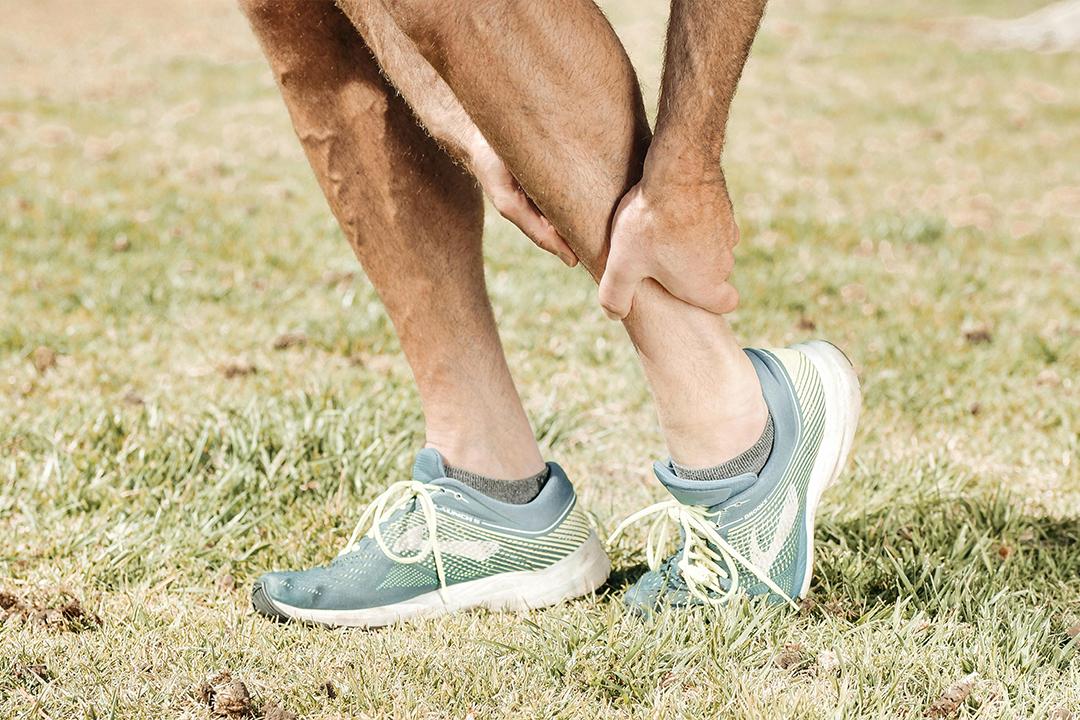
Understanding Calf Pain
The calf is made up of two main muscles, the gastrocnemius and soleus, which connect to the Achilles tendon. These muscles work together to help you stand, walk, run, and jump. Pain in this area can result from muscular strain, poor circulation, or even nerve issues that need professional care.
When to Worry About Calf Pain
Mild calf pain that improves with rest and stretching is usually harmless, but certain symptoms should not be ignored. You should consider seeing a healthcare professional if you experience:
- Sudden, sharp pain in the calf without an obvious cause
- Swelling, redness, or warmth in one leg
- Pain that worsens over time instead of improving
- Numbness, tingling, or weakness in the leg
- Difficulty walking or standing
- Persistent pain lasting more than a few days
These signs may point to something more serious than simple muscle soreness.
Common Causes of Calf Pain
- Muscle Strain
Overstretching or tearing calf muscles during exercise or sudden movement is a common cause. The pain often appears immediately and may be accompanied by bruising or tenderness. - Deep Vein Thrombosis (DVT)
A blood clot in a deep vein, often in the calf, can lead to pain, swelling, and redness. DVT is a serious condition that needs urgent medical care to prevent complications. - Peripheral Artery Disease (PAD)
This condition restricts blood flow to the legs due to narrowed arteries. Calf pain often occurs during walking and improves with rest, a symptom known as intermittent claudication. - Achilles Tendonitis
Inflammation of the Achilles tendon causes stiffness and pain in the lower leg, particularly in the morning or after physical activity. - Sciatica or Nerve Compression
Pain radiating from the lower back into the calf may indicate nerve irritation or compression in the spine. - Cramps or Dehydration
Calf cramps are sudden, involuntary muscle contractions that may occur from dehydration, low electrolyte levels, or prolonged standing.
When to See a Specialist
If your calf pain does not subside with rest, ice, or gentle stretching, it is best to consult a specialist. Persistent or severe symptoms could suggest circulatory or nerve-related problems that need diagnosis and targeted treatment.
At Proback Clinic, our experienced chiropractors and healthcare specialists use advanced technology and tailored treatment plans to identify and address the root cause of your pain. We focus on restoring movement, improving circulation, and reducing inflammation through non-surgical methods.
Treatment Options for Calf Pain at Proback Clinic
Depending on the cause, your treatment may include:
- Chiropractic care to improve spinal alignment and relieve nerve pressure
- Shockwave therapy to stimulate healing in muscle or tendon injuries
- Ozone or Prolozone therapy to reduce inflammation and enhance recovery
- Targeted exercises to strengthen calf muscles and improve flexibility
- Lifestyle and posture advice to prevent recurrence
Our goal is to relieve pain naturally and help you return to your normal activities quickly and safely.
Preventing Calf Pain
To reduce the likelihood of calf pain, keep these tips in mind:
- Warm up properly before physical activity
- Stay hydrated and maintain balanced electrolyte levels
- Avoid sitting or standing in one position for too long
- Wear supportive footwear suited to your activity
- Gradually increase the intensity of your workouts
Conclusion
Calf pain can range from mild discomfort to a sign of a serious medical condition. While minor soreness may resolve with rest and care, ongoing or severe pain requires expert assessment. If you are worried about calf pain, visit Proback Clinic for professional diagnosis and treatment. Our specialists are committed to helping you find the cause of your pain and guiding you toward effective, lasting relief.


